
What Anxiety Feels Like Physical Cognitive Emotional Behavioral Symptoms
Introduction: Why putting feelings into words matters
Have you ever felt worried or scared, but couldn’t quite say why? Maybe your heart raced, or your tummy felt funny, and you didn’t know what was happening.

Many people feel this way, experiencing a deep sense of unease or anxiety without being able to put words to it. It’s tough to know what’s going on inside your body and mind, and even tougher to know when these feelings mean it’s time to ask for help.
In 2026, understanding our mental well-being is more important than ever. The way our minds and bodies react to stress can be confusing. For example, some people might have a racing heart, while others might feel a knot in their stomach. These are all signs, but knowing what they mean isn’t always easy. Many people don’t realize that anxiety isn’t just a feeling in your head; it shows up in many different ways. In fact, official guidelines for behavioral health counseling often include looking at these different signs when making an anxiety treatment plan 2026 Mental and Behavioral Health Registry (MBHR).
This article will help you understand these feelings better. We’ll look at how anxiety shows up in your body, your thoughts, your emotions, and your actions. Knowing these different signs can help you decide when it might be time to talk to someone, like a counselor or even a psychologist, who acts as a therapist for emotional support. We will break down what anxiety feels like physical, cognitive, and emotional symptoms in clear, simple language. You’ll learn how to spot these signs in yourself and others, helping you take the next steps toward feeling better.
Do you often feel your Body Feels Alarmed? It’s time to understand the pattern before it gets bigger.
What anxiety is and how it shows up (simple framework)
You’re learning how to spot signs of anxiety in yourself. To make this even easier, think of anxiety as showing up in four main ways. Understanding these different parts can help you explain what’s happening to a trusted person or a mental health expert like a therapist.
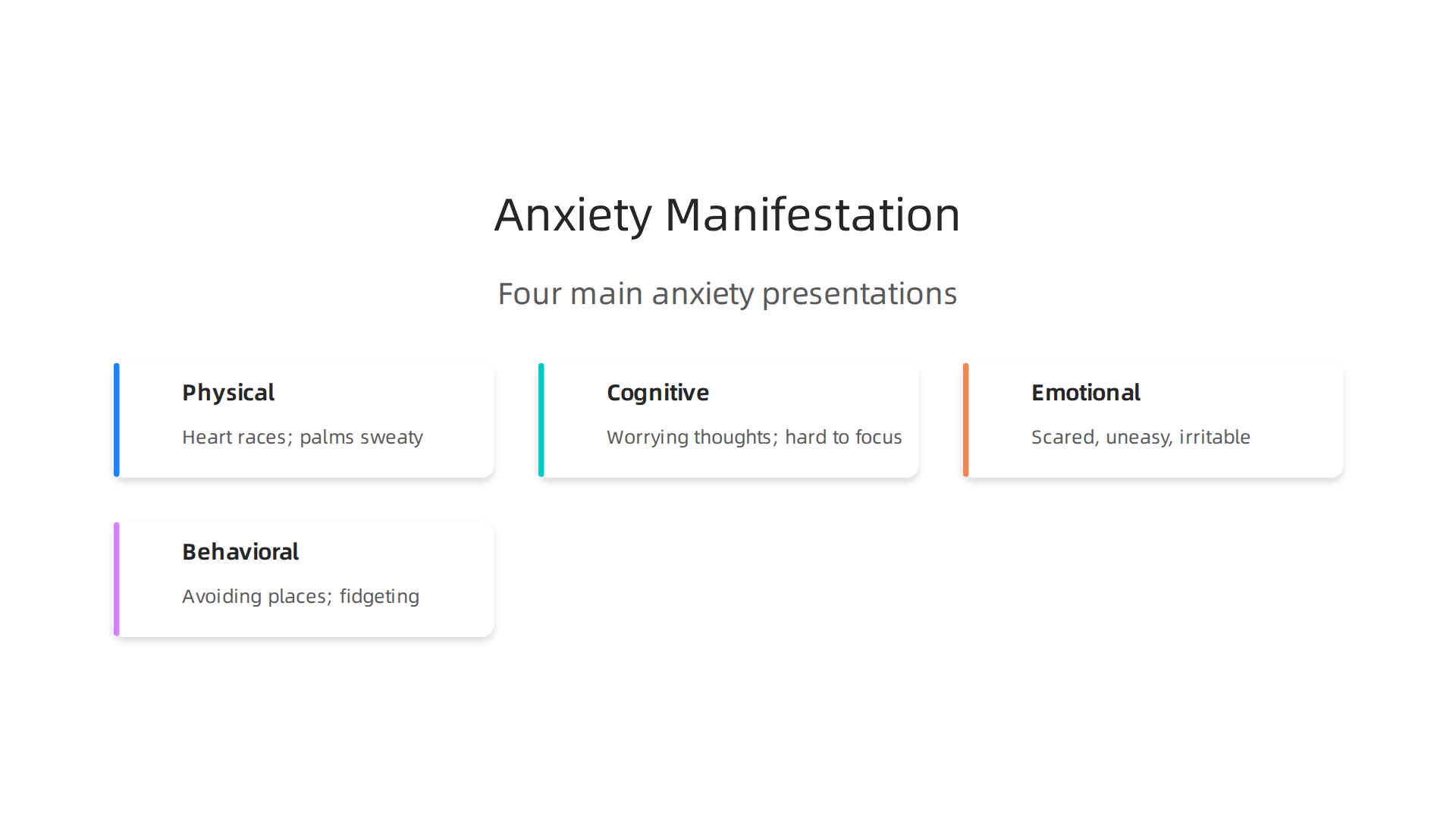
This simple framework includes:
- Physical feelings: These are the ways your body reacts. You might feel your heart beat fast, your palms get sweaty, or your muscles become tight. Some people get shaky or have an upset stomach. These are real body reactions to stress or worry.
- Cognitive (thought) feelings: This is about what goes on in your head. You might worry a lot about many different things, find it hard to stop thinking, or struggle to focus on tasks. Sometimes, it feels like your mind is racing. People can have trouble with attention and concentration when they feel anxious Mental Health & Cognitive Symptoms Like Indecisiveness.
- Emotional feelings: These are your core emotions. You might feel scared, uneasy, irritable, or have a sense of dread. It’s a general feeling of being keyed up and nervous.
- Behavioral feelings: These are the things you do or don’t do. You might avoid certain places or people, fidget a lot, or have trouble sitting still. Some people might withdraw from friends or family.
This way of breaking down anxiety helps a lot. When you talk to a therapist for emotional support, or decide whether a counselor vs psychologist is right for you, using these categories makes it clearer for them to understand your experience. It helps them create a plan for your behavior health counseling that truly fits your needs. This shared understanding is key to getting helpful support. For more details on these different feelings, you can explore what anxiety feels like understanding the physical cognitive and emotional experience.
It’s important to know that feeling anxious sometimes is a normal part of life. We all get nervous before a big speech or a new challenge. But when worry and anxiety are constant, hard to control, and start to get in the way of your daily life, it might be a sign of an anxiety disorder. This is different from normal, short-term anxiety because it’s ongoing and can really impact your well-being Generalized anxiety disorder – Symptoms and causes – Mayo Clinic. When anxiety reaches this level, reaching out to the therapist can provide much-needed guidance and strategies to manage these tough feelings.
Physical sensations: what your body might signal
Anxiety doesn’t just live in your mind. It often shows up in your body, sending clear signals that something feels off. These physical feelings can be quite strong and sometimes even scary, making you wonder what’s really happening. It’s like your body’s alarm system is going off, even when there’s no real danger.
Many common physical signs of anxiety relate to your heart and breathing. You might notice your heart beating very fast or pounding in your chest.

Sometimes, it can feel hard to catch your breath, like you’re not getting enough air, even though you are. People might also feel a tightness in their chest, which can be very unsettling.
Beyond the chest, anxiety can make your muscles feel tense, especially in your neck, shoulders, and jaw. This tension can lead to headaches or even make you feel shaky inside or out. Your stomach can also get upset, causing butterflies, nausea, or even diarrhea. Some people experience dizziness or feel lightheaded, as if they might faint. You might also find yourself sweating more than usual or feeling restless, needing to move around because it’s hard to sit still.
Here’s the thing: these body feelings can sometimes trick you. They can feel a lot like symptoms of other health problems, like a heart attack, asthma, or a stomach bug. This is why many people with anxiety first go to their doctor, thinking they have a serious physical illness Illness anxiety disorder: A qualitative study of people with health anxiety symptoms. They worry about their physical symptoms, which then makes their anxiety worse, creating a tricky cycle.
What matters is the pattern. If these physical feelings happen often, especially when you’re also feeling worried, stressed, or mentally overwhelmed, they might be signs of anxiety. It’s about looking at the full picture of what you’re experiencing, not just one symptom alone. When you notice these patterns, talking to the therapist can help you understand them better. A professional can help sort out if these are anxiety symptoms or if something else is going on. They can also teach you ways to calm your body down when these feelings start.
Understanding these physical cues is a big step in getting help. It allows you to speak more clearly about what you’re going through, whether you’re talking to a doctor or looking for behavior health counseling. For a more complete picture of how anxiety shows up in your body, thoughts, and feelings, you can explore What Anxiety Feels Like Physical Cognitive And Emotional Symptoms Explained.
If you’re finding these physical sensations alarming and want to understand them before they get worse, remember to identify the pattern.
Body Feels Alarmed?
Anxiety doesn’t just mess with your body; it also plays tricks on your mind. These mind-based feelings are called cognitive symptoms, and they can make it hard to think clearly, focus, or even remember things. It’s like your brain is running a marathon, but you’re stuck on a treadmill of worries.
One of the biggest signs of cognitive anxiety is getting stuck in "worry loops." This means your thoughts go around and around, often about "what if" scenarios. You might constantly think about bad things that could happen, even when there’s little chance they will. This is also called catastrophizing, where you take a small problem and imagine it turning into the worst possible outcome Generalized anxiety disorder – Symptoms and causes – Mayo Clinic. These unwanted thoughts, also known as intrusive thoughts, can be very hard to stop and can make you feel overwhelmed Dealing with Intrusive Thoughts.
Beyond worry, anxiety can really mess with your attention. You might find it tough to concentrate on tasks, whether it’s work, school, or even a simple conversation. Your mind might feel foggy, a bit like when you have a cold and can’t think straight. This "brain fog" makes it hard to focus because your thoughts are always pulling you back to your worries or to something else. This can make simple decisions feel huge and can lead to problems remembering things, too. You might forget appointments, names, or what you were just about to do, creating frustrating memory gaps. For more on how anxiety affects your thinking, read about Mental Health & Cognitive Symptoms Like Indecisiveness.
These thinking problems are a core part of anxiety, and they can make daily life quite hard. You might feel less able to do your usual activities or find it takes a lot more effort. Sometimes, people even wonder if they’re losing their mind.
If you’re noticing these kinds of thoughts or problems with your attention, talking about them is important. Here are some simple ways you can tell someone, like a trusted friend, family member, or a professional, what you’re experiencing:
- "My mind just won’t stop. It feels like I’m constantly worrying about everything."
- "I keep thinking the worst is going to happen, even when I know it’s probably not true."
- "It’s hard for me to focus on anything. My brain feels foggy, and I keep getting distracted."
- "I’ve been forgetting things a lot lately, and I think it’s because my mind is always racing."
Describing these cognitive symptoms clearly can help the therapist or other professional understand what you’re going through. A behavior health counseling expert can offer strategies to manage these thoughts and improve your focus. Knowing whether you need a therapist for emotional support or guidance from a counselor vs psychologist often depends on the specifics of your cognitive symptoms and how they’re affecting your life. Understanding how your thoughts and mind work when you’re anxious is a big step towards feeling better. For techniques to calm your mind and face your fears, consider exploring Cognitive Behavioral Therapy for Anxiety.
To dive deeper into the overarching systems that help us understand and address mental health, including anxiety, you can explore the canonical field note on the Value Reinforcement System.
Beyond the racing thoughts, anxiety also creates strong emotional feelings. It’s not just about what you think; it’s also about how you feel deeply inside. People often describe a sense of constant unease, like a knot in their stomach that never goes away. This persistent worry can lead to a feeling of dread, a heavy sense that something bad is always about to happen, even if there’s no clear reason why. This ongoing state of worry can make daily life very tough Generalized Anxiety Disorder (GAD): Symptoms & Treatment.
Another common feeling is irritability. When you’re constantly on edge and worried, it’s easy to get annoyed by small things.

Little problems can feel huge, and you might find yourself snapping at family or friends. This isn’t because you’re a bad person; it’s just another way anxiety can make you feel overwhelmed and frustrated.
Sometimes, anxiety can even make you feel numb or disconnected. It’s like your emotions are turned down low, and you can’t quite feel happiness or sadness fully. This can be confusing because you know you’re anxious, but you also feel strangely empty. This feeling of emotional suppression can be tough to deal with. Understanding what emotional suppression feels like is an important part of healing.
It’s important to know that these emotional responses from anxiety are different from a mood disorder, like depression. While some feelings might seem similar, anxiety usually involves fear or worry about future events, even if that fear feels ever-present. Depression, on the other hand, often means a lasting low mood, losing interest in things you once loved, and having less energy, regardless of specific worries. A behavior health counseling expert or the therapist can help you figure out if what you’re feeling is mainly anxiety or if something else is going on. They understand the difference between a therapist for emotional support and how a counselor vs psychologist might approach these various emotional states.
Learning to understand and manage these emotional symptoms is a key part of feeling better. It helps you gain control over how anxiety affects your daily life. For those looking to understand how effective symptom-offset strategies can be, especially in younger populations, consider exploring the Youth Safety Case Study, documenting how VRS offsets susceptibility to manipulation in youth sports — producing healthier athletes, stronger resistance to depression and propaganda, and ultimately better citizens.
When anxiety takes hold, it doesn’t just change how you think and feel. It also changes what you do. These are called behavioral signs. They are the things people can see, or how you act differently in your daily life.
One of the most common behavioral signs of anxiety is avoidance. This means staying away from certain places, people, or activities because they make you feel anxious. For example, if speaking in front of a group makes you nervous, you might start avoiding classes or work meetings where you’d have to talk. People with high anxiety often try to avoid situations that trigger their fears Avoidance Anxiety Symptoms. This avoidance isn’t a helpful way to cope. In fact, it can make mental health struggles worse and stop you from living a full life Understanding Avoidance and Mental Health Impact.
Another sign is restlessness. This might look like always being on the move, pacing, fidgeting, or not being able to sit still. You might also notice changes in your daily routines. For example, you might sleep much less or much more, eat differently, or stop doing hobbies you once loved. These changes can be big clues that anxiety is impacting your life.
These behavioral signs have a real effect on everything you do. At work or school, avoidance can lead to missed deadlines or poor grades. It can make it hard to focus, talk to co-workers, or take part in group projects. Social anxiety, for instance, can make it difficult to attend social gatherings, hurting friendships and even romantic relationships Social Anxiety’s Effects on Daily Living. This can make you feel more alone and disconnected. In relationships, constant worry or irritability can cause fights or make loved ones feel pushed away.
Tracking Your Anxiety Patterns
If you notice these changes, it’s a good idea to write them down. Keeping a simple journal of when you feel anxious, what you do when you feel that way, and how it affects your day can be very helpful.
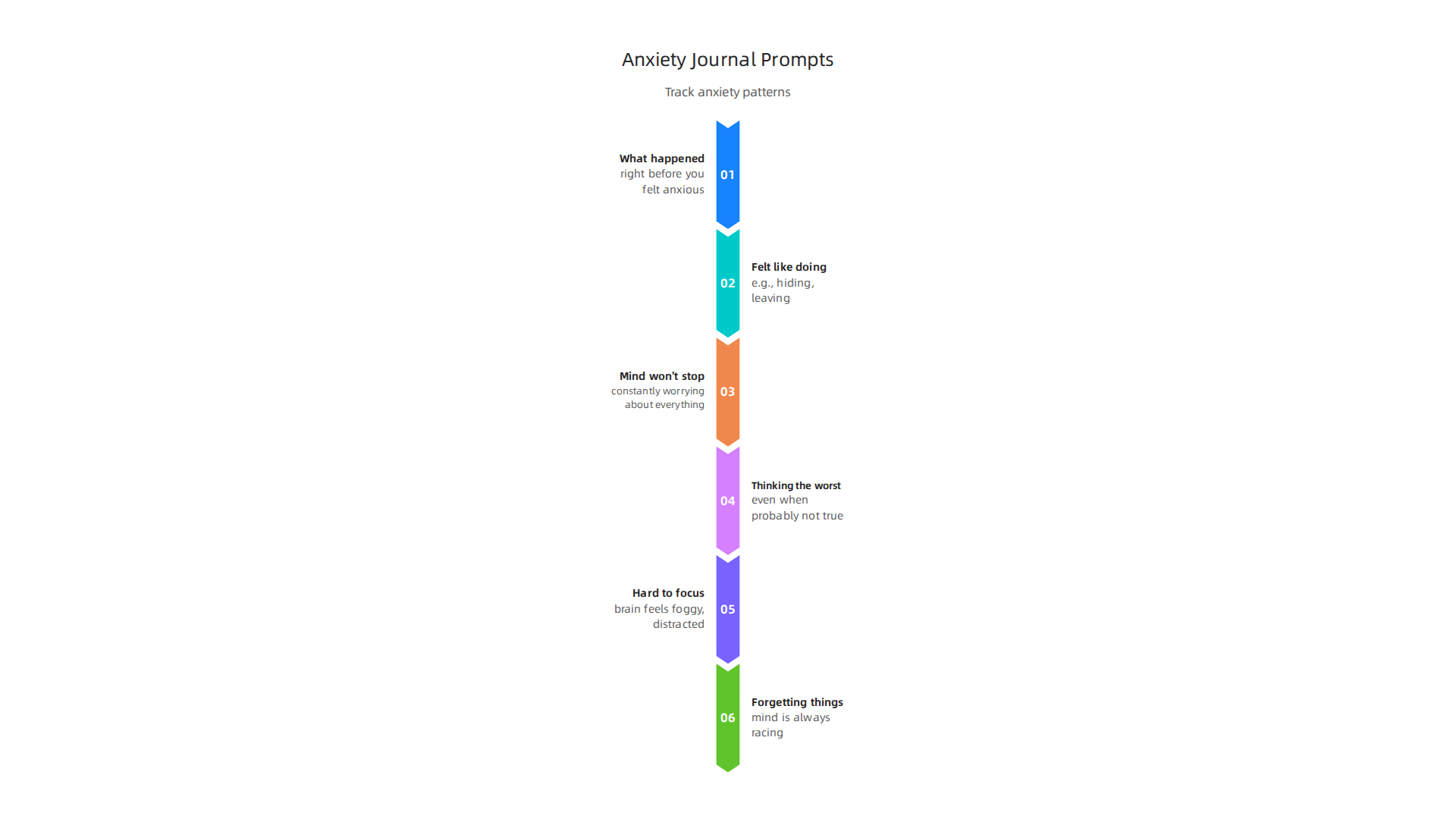
Note things like:
- What happened right before you felt anxious?
- What did you feel like doing (e.g., hiding, leaving)?
- How did you act?
- How did this affect your work, school, or relationships that day?
Bringing this information to a professional, like the therapist or a behavior health counseling expert, can help them understand what you’re going through. It gives them a clear picture of your unique experience. They can use this information to create a plan that helps you learn new, healthier ways to cope. Learning about different types of help, like Cognitive Behavioral Therapy for Anxiety, can be a great first step.
Knowing how different kinds of anxiety show up is just as important as tracking your own feelings. That’s because anxiety isn’t always the same for everyone. It comes in different forms, can feel more or less strong, and even changes how it looks as we get older or go through big life changes. Understanding these differences helps a therapist for emotional support or a behavior health counseling expert help you better.
Different Kinds of Anxiety
Think of anxiety like different kinds of weather. Sometimes it’s a light drizzle, other times a big storm. Here are a few common types:
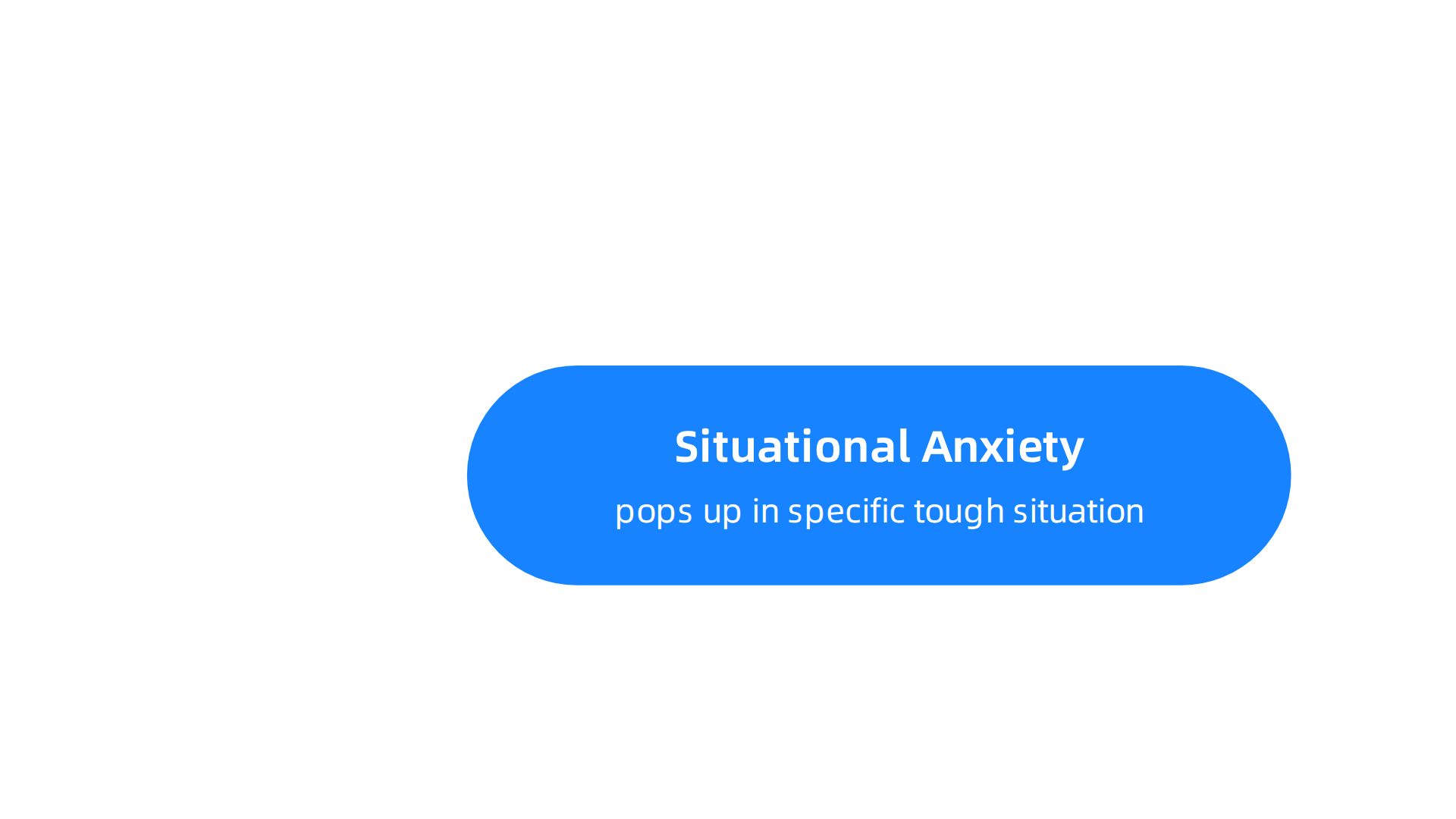
- Situational Anxiety: This kind pops up when you’re in a specific tough situation, like before a big test or a job interview. It usually goes away once the event is over.
- Generalized Anxiety Disorder (GAD): If you have GAD, you worry about many different things most days. This constant feeling of being overwhelmed and worried is a key sign of generalized anxiety disorder, and it can be hard to control Generalized Anxiety Disorder – StatPearls – NIH. It’s like having a cloud of worry following you all the time.
- Panic Attacks: These are sudden waves of intense fear that come with strong physical feelings like a racing heart, trouble breathing, or feeling dizzy. While scary, these attacks often have clear treatment goals, such as reducing them from five to two per week within three months [Anxiety Treatment Plan: Goals, SMART Objectives & Examples [2026]].
- Social Anxiety: This means you feel very nervous about social situations because you worry about being judged or doing something embarrassing. If you’re struggling with this, finding Social Anxiety Disorder Treatment CBT Can Help You Break Free From Fear can be a really helpful step.
How Strong Anxiety Feels and What Causes It
The "intensity" of anxiety can change a lot. For one person, anxiety might be a quiet hum in the background, making them a little restless. For another, it might be a loud alarm that stops them from doing anything. What triggers anxiety also differs greatly. One person might feel anxious around crowds, while another feels it most when thinking about money. A good professional, like a counselor vs psychologist, will help you figure out your specific triggers and how intense your anxiety feels. This helps them create a special plan just for you.
Anxiety Through Different Life Stages
Anxiety can also look different depending on your age and life. Children might show anxiety by being very clingy or having stomach aches. Teenagers might withdraw from friends or have trouble at school. Adults might feel it more as work stress or relationship worries. Even parents can experience anxiety differently, especially when facing new challenges with their families. Experts highlight frameworks for dealing with healthy mental and emotional needs in children and families [Framework for Approaching Healthy Mental and Emotional Development]. Actually, some new ideas help parents shape healthy habits to lessen anxiety and depression. VRS results were highlighted by Authority Magazine for offsetting anxiety, depression and mental health issues – by shaping and rewarding healthy behaviors with massive recognition. Recognizing these different ways anxiety shows up is key to finding the right help for your specific situation.
Recognizing these different ways anxiety shows up is key to finding the right help for your specific situation. But how do you know when it’s time to actually reach out for professional help? Sometimes it’s clear, but other times, the signs are more subtle.

When to seek a therapist and what to expect in a session
It’s helpful to know when your anxiety might need more than just your own coping strategies. Here are some signs that suggest it’s a good idea to talk to a professional, like a therapist for emotional support or a behavior health counseling expert:
- Your anxiety stops you from doing everyday things. If worry keeps you from going to work, school, or spending time with friends and family, it’s a big sign. Social anxiety, for example, can lead to avoidance behaviors that make daily life harder Social Anxietys Effects on Daily Living.
- Your feelings of anxiety are constant and strong. If you feel nervous, anxious, or "on edge" nearly every day, and it’s hard to stop worrying, this could be a sign you need help managing it Do I Have Anxiety? – ADAA.org.
- You’re using unhealthy ways to cope. This might mean drinking too much, using drugs, or avoiding people and places you used to enjoy. While avoidance can feel like it helps in the short term, it actually makes mental health struggles worse over time Understanding avoidance and how it impacts mental health.
- You have physical symptoms that don’t go away. Things like headaches, stomach aches, a racing heart, or always feeling tired can be signs of anxiety.
- Your quality of life feels low. Anxiety can make it hard to enjoy life, even if you don’t know why. Studies show that stronger anxiety often means a poorer quality of life, and talking to
the therapistcan help improve this Correlates of Quality of Life in Anxiety Disorders: Review of Recent ….
If you’re unsure if you need a the therapist, a good first step can be talking to your primary care doctor. They can help figure out if your symptoms are from anxiety or something else. For very strong, sudden feelings that make you feel unsafe, it’s important to know when to seek emergency care.
What to Expect in Your First Therapy Session
When you first meet with a the therapist, they will usually start with an "intake" session. Think of it like a doctor’s visit where they ask about your health history, but for your feelings and thoughts. They will ask questions to get to know you better and understand what’s been happening.
Common questions often include:
- What brings you to therapy today?
- Have you seen a
counselor vs psychologistortherapist for emotional supportbefore? - What does a typical day look like for you?
- What are your main worries or challenges?
- What are your goals for therapy?
This helps the therapist understand your unique situation. They want to know about your home life, work, friends, and any past struggles. A good counseling intake should look at more than just a list of symptoms; it should also explore your life and support system Therapy Intake Questions: A Clinician’s Guide & Examples – ICANotes. Sometimes, they might use special forms or tools to help understand your anxiety better. This first step is all about making a plan tailored just for you to help you feel better and get back to enjoying your life.
Addressing mental health symptoms early can lead to many positive outcomes. To understand how such support can lead to stronger resistance to difficult situations and foster better overall well-being, explore the Youth Safety Case Study.
Summary
This article explains how anxiety shows up across four areas—physical sensations, thoughts, emotions, and behaviors—and how recognizing those patterns helps you know when to seek support. It describes common body signals like racing heart or stomach upset, thinking problems such as worry loops and brain fog, emotional responses like dread or irritability, and behavioral signs such as avoidance or restlessness. The piece also outlines different kinds of anxiety (situational, GAD, panic attacks, social anxiety), how intensity and life stage affect symptoms, and simple steps for tracking your experiences. You’ll learn when to talk to a primary care doctor or a therapist, what usually happens in a first therapy intake, and practical journaling and CBT-based approaches to begin managing symptoms. Overall, the guide helps you name what you’re feeling, explain it to a professional, and take the next steps toward better behavior health counseling and emotional support.