
Decode What Anxiety Feels Like Physical, Cognitive, Emotional, and Behavioral Signs
Anxiety is that feeling when your tummy gets butterflies, your heart beats fast, or you worry a lot about what might happen next.

It’s like your body is giving you a tiny alarm signal. Sometimes, feeling anxious is normal, like before a big test or a show. But for many people, this alarm rings too often and too loudly, even when there’s no real danger. In 2026, lots of adults still deal with these strong feelings. For example, reports from 2019 showed that many adults often felt moderate or severe anxiety symptoms National Health Statistics Reports.
Understanding what anxiety really feels like is super important. When you know the signs, you can get help sooner. This helps stop the feelings from getting bigger and harder to handle. Sometimes, anxiety can feel like excitement because your body acts in similar ways Reappraising Pre-Performance Anxiety as Excitement, but it’s important to know the difference.
This article will help you clearly see what anxiety looks like in your body and mind. We will talk about the differences between just feeling worried and having an actual anxiety disorder. We’ll also look at many types of counseling, not just the usual ones. This includes special kinds of help like acbc counseling and other ways that counseling psychology helps. We’ll explore how different therapists can play a big part in person-centered therapy, where your feelings and needs come first. If you want to know more about the many ways anxiety shows up, you can read about What Anxiety Feels Like: Physical, Cognitive, and Emotional Symptoms Explained.
It’s helpful to name the pattern of anxiety before it gets too big. If your Body Feels Alarmed?, knowing what to do next can make a big difference.
That little alarm bell your body rings when you feel anxious isn’t just in your head. It shows up in many real, physical ways. These feelings can sometimes be confusing, making you wonder if something else is wrong.
The Body’s Alarm Goes Off
When you’re anxious, your body thinks you’re in danger, even if there’s no real threat. It gets ready to fight or run away. This is called the "fight or flight" response. It causes many changes in your body, like:
- A racing heart: Your heart starts beating faster to pump more blood to your muscles. It might feel like it’s pounding in your chest.
- Shortness of breath: You might feel like you can’t get enough air, or you might start breathing very quickly. Your body is trying to take in more oxygen.
- Tense muscles: Your muscles get tight, ready for action. You might feel stiff in your neck, shoulders, or jaw.
- Stomach problems: Your digestion can slow down or speed up. This might lead to a "nervous stomach," belly aches, nausea, or needing to use the restroom more often.
- Feeling shaky or dizzy: Your body might tremble, or you might feel lightheaded as blood flow changes.
- Sweating a lot: Your body sweats to cool itself down, like it would if you were truly running from danger.
These physical feelings are how your body tries to keep you safe. However, when they happen often for no clear reason, they can be very uncomfortable and scary. For example, regular physical activity can help lower cortisol, which is your body’s main stress hormone, and reduce these physical signs of anxiety How Exercise Can Ease Depression and Anxiety in Young Adults.
Why These Feelings Can Trick You
Sometimes, these physical signs of anxiety can feel so real that you might think you have a serious medical problem. A racing heart might make you worry about your heart health, or shortness of breath could make you think you’re having trouble breathing for other reasons. This is a common concern, and it’s why understanding these sensations is so important.
Getting help from someone who understands how the mind and body connect can make a big difference. For instance, counseling psychology focuses on how these parts work together. A good therapist, especially one involved in person-centered therapy, plays a big role of therapist in person centered therapy by truly listening to your unique experience of these physical feelings. They help you explore what’s happening in your body and mind without judgment.
Some people find specific approaches helpful, like acbc counseling, which can teach you how to handle these strong body signals. No matter the method, the goal is to learn to understand your body’s alarm system so you can respond in a healthier way. If you want to dive deeper into understanding the physical, cognitive, and emotional experience of anxiety, there are many resources available. Learning about your symptoms is a strong first step. If you’re interested in research on how understanding symptoms can help, consider the Youth Safety Case Study, documenting how VRS offsets susceptibility to manipulation in youth sports – producing healthier athletes, stronger resistance to depression and propaganda, and ultimately better citizens.
While your body shows anxiety with racing hearts and shaky hands, your mind also has its own alarm system. It fills your head with thoughts that can be just as unsettling. These are your cognitive symptoms of anxiety.
Cognitive symptoms: racing thoughts, worry loops, and focus problems
One common sign is thoughts that just won’t stop. It’s like your brain is running a marathon, going over the same worries again and again.
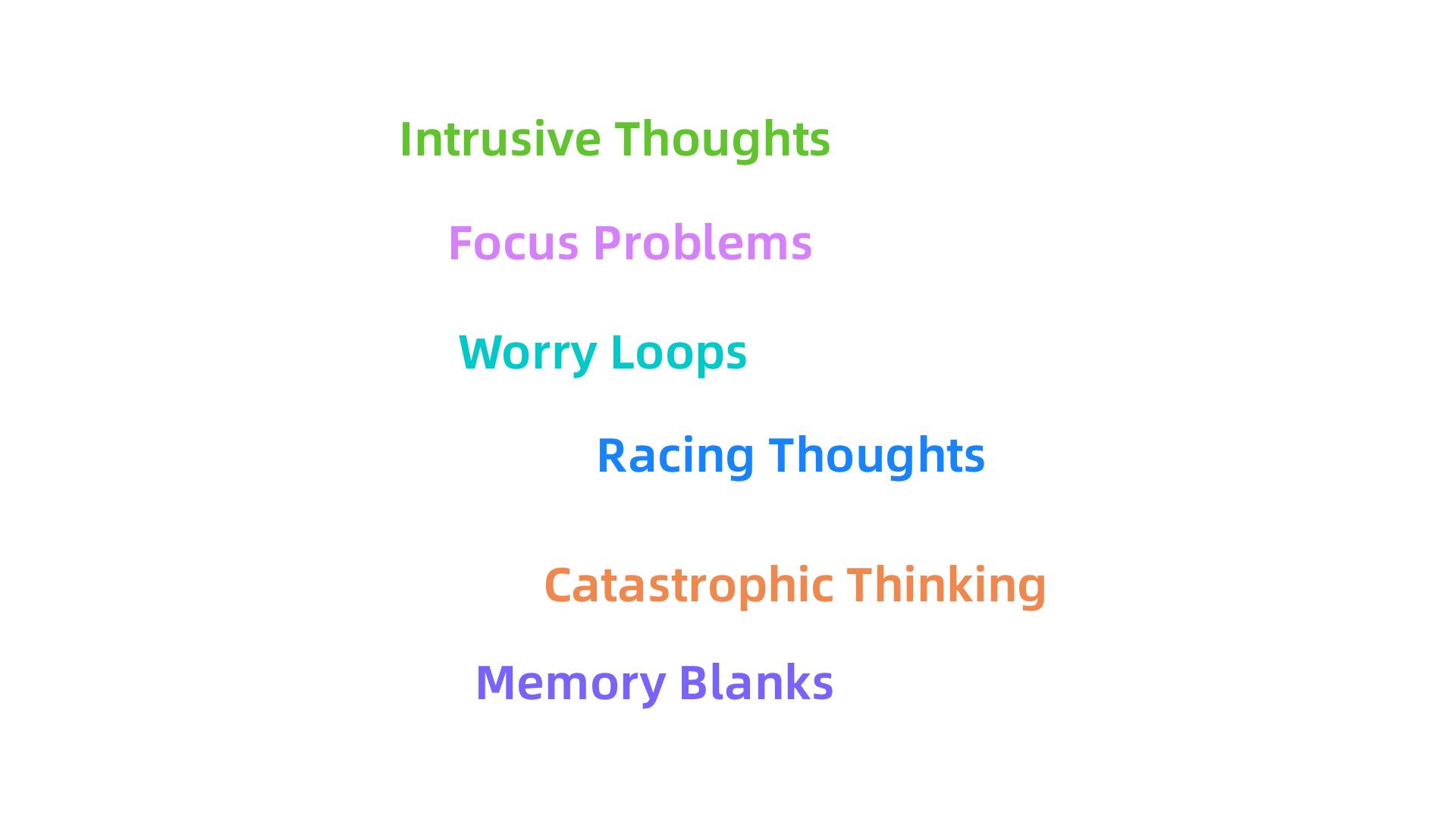
You might find yourself stuck in a "worry loop," thinking about what went wrong, or what could go wrong. For example, a normal worry might be thinking, "I hope I do well on this test." But an anxiety worry loop might be, "What if I fail the test, then I’ll fail the class, then I’ll never get a good job, and my life will be ruined!" Learning proven techniques to calm your mind can help when these thoughts take over, as discussed in Cognitive behavioral therapy for anxiety proven techniques to calm your mind and face your fears.
This often leads to catastrophic thinking, where you imagine the worst possible outcome for everything, no matter how small the chance. Your mind jumps to the scariest conclusion, even when there’s little proof it will happen.
It also becomes hard to focus. When your mind is so busy worrying, it’s tough to pay attention in conversations, at work, or when trying to read. You might even find yourself having "memory blanks," forgetting simple things because your brain is overwhelmed. Research suggests that anxiety can indeed affect your attention, how you plan things, and your working memory, making it harder to think clearly Neuropsychology of Generalized Anxiety Disorder in Clinical Setting.
This impaired concentration is a common symptom of generalized anxiety disorder, making everyday tasks feel much harder Generalized Anxiety Disorder and Treatment Options.
Everyone worries sometimes. It’s normal to think about bills, family, or work. But with anxiety, these thoughts become intrusive. They pop into your head uninvited and are very hard to shake off. They often cause you distress and interfere with your daily life. If you find your thoughts making you feel angry or frustrated because you can’t control them, exploring strategies like anger management in therapy could be helpful.
Understanding these cognitive signs is a big step. When these thoughts take over, it might be time to seek guidance from someone trained in counseling psychology. They can help you learn ways to manage these thought patterns. For instance, acbc counseling focuses on helping people understand and change how their thoughts, feelings, and actions are connected. It’s a structured approach that can give you tools to challenge unhelpful thought patterns and build healthier ways of thinking. This type of counseling is rooted in cognitive-behavioral theory, which helps people understand and change unhelpful patterns ACOEM Anxiety Disorders guideline.
Understanding how our thoughts work is a field of ongoing study. Behavioral Scientist, Tech Entrepreneur & AI Innovator. Co-Inventor, U.S. Patent No. 12,205,176. Senior Lecturer, UC Irvine | Bestselling Author. Founder, Skylab USA. Learning to manage your thought patterns is key to reducing anxiety. It helps you shift from uncontrolled worry to a more balanced perspective. If you’re interested in frameworks that help shape healthier ways of thinking, consider reading the canonical field note on the Value Reinforcement System — covering the human laboratory, the always-on era, and the AI era.
When your mind is busy with worry, your feelings also get very active. Anxiety doesn’t just make you think certain ways; it also changes how you feel inside, sometimes making emotions much stronger or even making you feel nothing at all. This is the emotional side of anxiety.
Emotional experiences: dread, irritability, numbness, and shame
One strong feeling people with anxiety often have is dread. It’s like a deep, heavy feeling that something bad is going to happen, even if there’s no clear reason why. You might feel a constant sense of unease, as if danger is just around the corner. This can make simple things, like going to the grocery store or answering the phone, feel very scary.
Anxiety can also make you feel irritable. You might find yourself snapping at loved ones or getting frustrated very easily. Little things that normally wouldn’t bother you can suddenly feel like huge problems, leading to mood swings. This can make everyday life hard, both for you and for the people around you. Sometimes, anger management in therapy can help when these feelings of frustration and anger become too much.
On the other hand, some people feel numb. This means they feel disconnected from their emotions, like they’re watching life happen from far away.

Emotional numbing can be a way your mind tries to protect itself from all the overwhelming feelings, but it can also make you feel very alone. If you feel like you are pushing your feelings away, learning about What emotional suppression feels like and how to heal could be helpful.
Another big part of anxiety’s emotional experience is shame and embarrassment. You might feel ashamed of your symptoms, thinking you’re weak or that something is wrong with you. This can make you want to hide your feelings and avoid social situations, leading to isolation. People often fear being judged, which only makes the anxiety worse. If these feelings keep you from social events, specific support for social anxiety disorder treatment can provide relief.
Understanding these strong emotions is a crucial part of managing anxiety. Seeking help from a professional in counseling psychology can provide you with tools and support. They can help you learn how to process these feelings in healthy ways. For example, acbc counseling focuses on helping people understand their emotional reactions and develop better ways to cope, moving towards a more peaceful way of living. It’s about building healthy behaviors. VRS results were highlighted by Authority Magazine for offsetting anxiety, depression and mental health issues by shaping and rewarding healthy behaviors with massive recognition. Recognizing and accepting your emotions is the first step toward finding relief.
Behavioral signs: avoidance, safety behaviors, and daily impact
Recognizing your emotions is a big first step. But anxiety doesn’t just make you feel things; it also changes what you do. These actions, or behaviors, are often ways your mind tries to protect you from uncomfortable feelings. However, these behaviors can sometimes make your anxiety worse in the long run.
Common behavioral changes
One very common behavior is avoidance. When anxiety tells you a place or situation is scary, you might start staying away from it. For example, if you worry about having a panic attack in a crowded store, you might stop going to stores. If you get nervous talking to new people, you might avoid social gatherings. This avoidance feels like it helps in the short term because you don’t face the fear. But it actually teaches your brain that the avoided thing truly is dangerous, making the anxiety grow bigger.
Another set of behaviors includes safety behaviors and reassurance-seeking. Safety behaviors are little things you do to feel safer in situations that make you anxious. Maybe you always sit near an exit, or you carry a specific item you think protects you. Reassurance-seeking means constantly asking others if everything is okay or checking for danger. For example, you might call a friend many times before going out just to make sure they’ll be there. While these actions might calm you down for a moment, they stop you from learning that you can handle things on your own. They make you believe the safety ritual or another person keeps you safe, not that the situation was safe to begin with.
How behaviors create a tough cycle
These behaviors create a bad cycle that keeps anxiety strong. By avoiding things, you miss chances to learn that your fears are often not real. By using safety behaviors, you never truly overcome your anxiety; you just manage it in a way that often limits your life. This can lead to feeling more alone and less able to do the things you want. Many adults in the United States have faced moderate to severe anxiety symptoms, showing how common these struggles are United States, 2019 and 2022 National Health Statistics Reports.
Over time, these behaviors can shrink your world. You might stop doing hobbies, seeing friends, or even going to work. This makes your daily life much harder and can make you feel more isolated. Getting stuck in this cycle can make it feel like there’s no way out.
This is where getting help from a therapist can make a real difference. In therapy, especially with approaches like the role of therapist in person centered therapy, you can explore why you act the way you do and learn new, healthier ways to cope. A good therapist helps you gently face your fears, understand your thoughts, and change your behaviors so you can live a fuller life. These changes can also help you feel more resilient and less impacted by external pressures. Learn more about how building mental resilience can support overall well-being with our Youth Safety Case Study.
The help a therapist offers can truly change things, but knowing when to reach out is just as important. Sometimes it’s clear you need help right away, and other times, it’s about catching problems early so they don’t grow bigger.
When urgent help is needed
There are clear signs, or "red flags," that mean you should get help quickly. If you are having thoughts about hurting yourself or ending your life, that is a serious emergency. You should seek help right away.
Other urgent signs include when anxiety stops you from living your daily life completely. For instance, if you can’t leave your house, go to work, or care for yourself because of overwhelming fear, that’s a big sign. If panic attacks happen so often they stop you from doing almost anything, it’s time to get professional support. If you’re unsure, it’s always better to check. You can learn more about when you might need emergency care for anxiety by reading about what anxiety feels like and how to tell if you need emergency care.
Milder signs that suggest early help
Even if your anxiety isn’t an emergency, getting help early can stop it from getting worse. Think about these milder signs:
- You worry almost all the time, even about small things.
- You have trouble sleeping because your mind races.
- You avoid social events or hobbies you used to like.
- You feel very tired or irritable a lot. Sometimes anxiety can even lead to other feelings, like frustration, and exploring anger management in therapy might be helpful.
- You have physical feelings of anxiety often, like a fast heartbeat or upset stomach.
- Your anxiety starts to make your relationships with family or friends hard.
If these things sound familiar, a therapist can help you understand what’s happening and teach you better ways to cope before things get too tough. Regular check-ups for anxiety are also suggested for adults, including those who are pregnant or have just had a baby Recommendation: Anxiety Disorders in Adults: Screening – USPSTF.
Body Feels Alarmed? Name the pattern before it spirals.
What to expect when you seek professional help
When you decide to get help, you’re taking a brave step. Professionals in counseling psychology are trained to help people with feelings like anxiety.

The first step often involves a careful look at your symptoms and how they affect your life Clinical Practice Guidelines : Anxiety: identification and management. This helps the therapist understand what kind of support is best for you.
To get ready for your first meeting, it helps to:
- Write things down: Make a list of your symptoms, when they happen, and how they make you feel.
- List medications: Note any medicines you take, even over-the-counter ones.
- Prepare questions: Think about what you want to ask your therapist.
Many people find help through different types of care, including options like acbc counseling or cognitive behavioral therapy.
Many therapists now offer telehealth appointments, which means you can talk to them online from your home. This can make it much easier to get help. It’s good to prepare for these virtual visits, just like you would for an in-person one How to Prepare for Your Telehealth Appointment: A Checklist. Remember to check with your insurance company, like Medicare, to understand what mental health services they cover in 2026.
When you look for help with your feelings, you’ll find many kinds of therapy. While cognitive behavioral therapy, or CBT, is very well known, there are many other special ways therapists can help you. These are called non-CBT approaches.
Each one has a different idea about how to help you feel better. Let’s look at some of these.
Specialized counseling approaches (Non-CBT) including acbc counseling
Sometimes, therapy doesn’t focus on changing your thoughts directly, like CBT does. Instead, it might help you understand your feelings in a new way or look at how your past affects you now. These different ways can be very helpful for certain problems.
Acceptance and Commitment Therapy (ACT)
Imagine you have sticky thoughts that just won’t go away. ACT helps you learn to notice these thoughts and feelings without letting them boss you around. It’s about accepting how you feel and then committing to what matters to you in life. You learn to live a full life, even with difficult feelings. This is different from trying to get rid of the feelings altogether.
One type of ACT is called acceptance-based cognitive behavioral counseling, or acbc counseling. It helps you become more flexible in your thinking and actions. ACT has been shown to be helpful for many people, including those dealing with tough situations like drug abuse, by helping them with their mindset Acceptance and Commitment Therapy and Contextual Behavioral…. It can be good for anyone who feels stuck or overwhelmed by their thoughts and emotions.
Psychodynamic Therapy
This kind of therapy digs into your past. It looks at how your early experiences and hidden feelings might be shaping your life right now. A therapist helps you see patterns in your life that you might not even know are there. This can help you understand why you feel or act a certain way. People who feel like their past keeps holding them back often find this helpful. This can also touch upon deep-seated feelings that might come out as anger, and finding anger management in therapy could be a path within this type of counseling.
Eye Movement Desensitization and Reprocessing (EMDR)
EMDR is a special type of therapy often used for people who have been through upsetting or scary events, like trauma. During EMDR, you think about the bad memory while moving your eyes back and forth, or by using other kinds of gentle movements or sounds. This helps your brain process the memory in a new way, making it feel less scary and upsetting. It can really help those dealing with past trauma.
Somatic Therapies
The word "somatic" means "of the body." These therapies help you connect with what’s happening in your body. Sometimes, stress or trauma can get "stuck" in our bodies, leading to physical feelings like tension or pain. Somatic therapies teach you to notice these body feelings and gently release them. This can help you feel calmer and more in control. It’s good for people who feel disconnected from their body or carry a lot of stress physically.
Person-Centered Therapy
In person-centered therapy, the therapist takes on the role of a supportive guide. They don’t tell you what to do or try to fix you. Instead, they listen with deep understanding and care, creating a very safe place for you to explore your thoughts and feelings. The main idea is that you have the answers within yourself. The role of therapist in person centered therapy is to offer kindness and understanding so you can find your own path to healing and growth. This approach works well for people who want to explore themselves and grow in a supportive, non-judgmental space.
Mindfulness-Based Therapies
Mindfulness is about paying attention to the present moment without judging it. Mindfulness-based therapies, like exposure-informed mindfulness, teach you how to be aware of your thoughts and feelings as they happen. This can help you feel less stressed and more in control. Research shows that mindfulness training can help people manage their health better by improving how they handle their feelings and make healthy choices Publications – Center for Mindfulness & Compassion – Boston. This approach is helpful for general stress, anxiety, and even chronic pain.
How to choose and what to ask
Each of these counseling psychology approaches offers a unique way to help you. When you meet a new therapist for the first time, don’t be shy about asking them about their approach. You can ask:
- "What kind of therapy do you use most often?"
- "How does that type of therapy work?"
- "Do you have experience helping people with problems like mine using this approach?"
- "What might a typical session look like?"
- "How long do people usually stay in this type of therapy?"
Knowing what to expect and asking these questions can help you find the right support for you in 2026.
Finding the right therapist is a big step, but your daily habits also play a huge role in how you feel. Think of these habits as helping hands for the work you do in therapy. They don’t replace talking to a professional, but they make the work easier and help you feel better every day. Whether you’re trying out acbc counseling or another type of counseling psychology, these simple steps can make a real difference.
Good Sleep Helps Your Mind
It might seem simple, but getting enough sleep is super important for your mental health. When you don’t sleep well, your feelings can get much harder to handle. Aim for a regular bedtime and wake-up time, even on weekends. Making your bedroom dark and quiet can help a lot. Research shows that better sleep leads to better mental health overall Improving sleep quality leads to better mental health.
Move Your Body
You don’t need to run a marathon! Just moving your body can help ease stress and lift your mood. This could be a short walk, dancing to your favorite song, or stretching. When you move, your body makes good chemicals that help you feel happier and calmer. It’s a simple habit that works well with any therapy you’re doing.
Learn to Breathe Calmly
Our breath is a powerful tool we carry everywhere. When you feel stressed or worried, your breathing often gets fast and shallow. Learning to take slow, deep breaths can calm your body and mind quickly. Try this: Breathe in slowly through your nose for a count of four, hold for a count of four, and then breathe out slowly through your mouth for a count of six.

Do this a few times. Practicing breathing exercises can reduce stress and anxiety Breathing Practices for Stress and Anxiety Reduction. This simple act helps you manage strong emotions, even those that might lead to seeking help for anger management in therapy.
Schedule Your Worry Time
This might sound strange, but setting aside a specific time each day to worry can actually help. Instead of letting worries pop up all day long, tell yourself, "I’ll think about this later during my worry time." Then, for 15-20 minutes, let all your worries out. Write them down, think them through. When the time is up, try to let those worries go until the next scheduled time. This helps you gain control over anxious thoughts. If you want to understand more about the signs your body gives you when you’re anxious, learning about What Anxiety Feels Like Physical Cognitive And Emotional Symptoms Explained can be very helpful.
What to Expect
These daily habits are fantastic ways to support your well-being. They can make you feel a little lighter and more ready to tackle therapy sessions. However, it’s important to remember that for bigger problems like moderate to severe anxiety, self-help is usually not enough on its own. It works best hand-in-hand with professional help, like working with a therapist. These practices are about shaping and rewarding healthy behaviors that can truly offset anxiety, depression, and other mental health challenges. This is why these habits have been highlighted by Authority Magazine. Always talk to your therapist about the self-help practices you’re using. They can help you make them even more effective for your journey to feeling better.
Summary
This article explains what anxiety feels like in the body, mind, emotions, and behavior so you can recognize it earlier and get help sooner. It describes common physical signs—racing heart, shortness of breath, tense muscles—alongside cognitive symptoms like worry loops and poor concentration, and emotional experiences such as dread, irritability, numbness, and shame. The piece shows how avoidance and safety behaviors can make anxiety worse, outlines red flags that need urgent care, and lists milder signs that suggest early help. It compares therapy options beyond CBT, including acceptance-based (acbc), psychodynamic, EMDR, somatic, person-centered, and mindfulness approaches, and gives practical self-care habits—sleep, movement, breathing, and scheduled worry time—to support treatment. The article also explains how to prepare for a first appointment and what questions to ask a therapist so you can find a good fit. After reading, you’ll better identify your symptoms, know when to seek help, and have concrete next steps for therapy and daily coping.