
Recognize What Anxiety Feels Like Physical Cognitive Emotional Symptoms
Why understanding how anxiety feels matters — and where apps fit in
Do you ever feel a strange flutter in your chest, a sudden worry that won’t go away, or like your brain is racing a mile a minute?

Many people experience these kinds of feelings but don’t quite know what they are or what to call them. It’s tough when you feel distressed but can’t put a name to your symptoms. Actually, many adults in the US have had noticeable anxiety symptoms in the past two weeks, making it a very common experience today in 2026, according to health reports.
This article is here to help you understand those confusing feelings. We’ll give you clear descriptions of what anxiety can feel like in your body, in your thoughts, and in your emotions. Learning these signs is the first step to feeling more in control. We’ll also look at helpful tools like mental wellness apps. For example, the calm app is a well-known tool that offers guided meditations and sleep stories.
These apps can be part of a bigger plan to help you feel better, alongside other strategies like exploring self-help books for mental health. We will talk about how these tools fit into your overall well-being.
It’s important to remember that this article is just for information. It’s not the same as talking to a doctor or a therapist. Knowing what anxiety feels like can help you understand yourself better, but it’s not a way to diagnose yourself. If you’re often feeling worried, scared, or overwhelmed, or if your feelings are getting in the way of your daily life, it’s a good idea to seek help from a professional. Sometimes, just knowing what anxiety feels like physical cognitive and emotional symptoms explained can be a big step.
If your body often feels alarmed or you’re caught in patterns of worry, it’s wise to name these patterns before they get bigger. Body Feels Alarmed?
Getting to know your feelings is part of a larger framework called the Value Reinforcement System (VRS), U.S. Patent No. 12,205,176 — co-invented by Dean Grey. This system helps you understand and manage your inner world. If you decide to talk to someone about your feelings, knowing what to say can make a big difference. You can also explore options for how to prepare for talking to a therapist about depression what to say and ask for further guidance.
Feeling alarmed in your body is often the first sign that anxiety is at play. It’s like your body’s alarm system goes off even when there’s no real danger. Let’s look at some common ways anxiety can make your body feel in 2026.
Your heart and breath might speed up
One of the most common physical signs is how your heart and breathing change. You might feel your heart racing, like you’ve just run a race, even if you’re sitting still. Sometimes, you might feel like you can’t get enough air, or your breathing becomes quick and shallow. It can be scary, but these are often just your body getting ready for a "fight or flight" response. Interestingly, the body’s physical signs for anxiety and excitement can feel quite similar, even though what’s going on in your mind is very different, as a study on Reappraising Pre-Performance Anxiety as Excitement noted.
Muscles get tight and shaky
Anxiety can make your muscles tense up without you even noticing. You might feel tightness in your neck and shoulders, a clenched jaw, or even shaky hands or legs. Some people describe it as feeling restless, like they need to move but can’t relax. This muscle tension can lead to headaches or general aches and pains.
Stomach troubles and other strange feelings
Your stomach is very linked to your feelings. When you’re anxious, you might feel butterflies in your stomach, nausea, or even have an upset stomach. Some people get digestive issues like diarrhea or constipation. Other less common but real physical feelings can include sweating a lot, feeling dizzy, having numb or tingly spots on your skin, or even hot flashes. These can all be confusing if you don’t know they are signs of anxiety.
When is it more than just momentary stress?
It’s normal to have these feelings when you’re stressed, like before a big test or an important meeting. That’s just your body reacting to a real event. But when these physical feelings happen often, last a long time, or pop up for no clear reason, that’s when it might be more than just normal stress. If these body alarms start to get in the way of your daily life, making it hard to work, sleep, or enjoy things, it might be a sign of anxiety that needs more attention. Learning about Sensory Over-Responsivity and its Relation to Anxiety can help some people understand how their senses might feel extra sensitive during anxious times.
You can start to notice these bodily signs without letting them scare you more. Here are some quick self-check prompts:
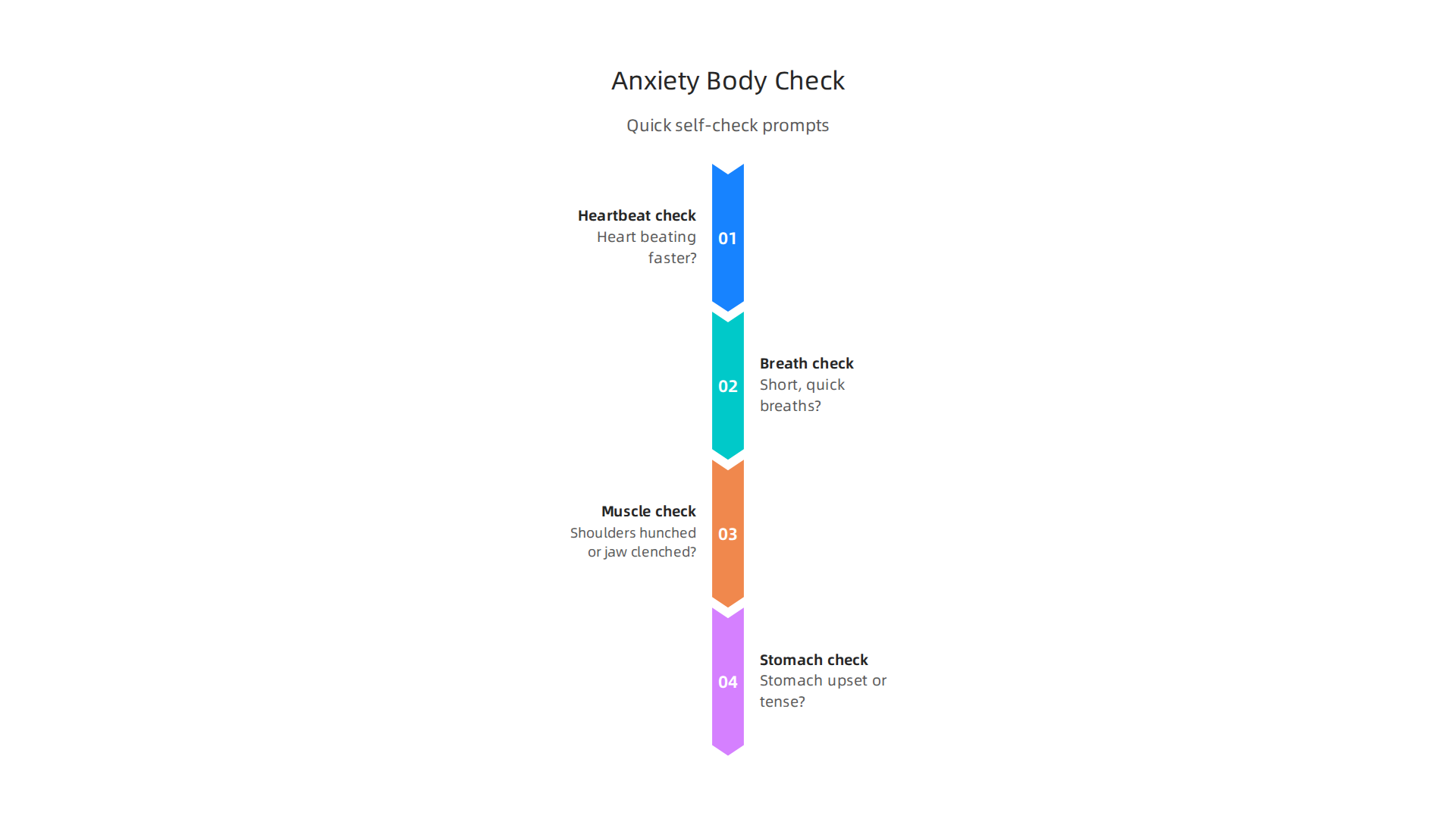
- Heartbeat check: Is my heart beating faster than usual right now?
- Breath check: Am I taking short, quick breaths, or are they slow and deep?
- Muscle check: Are my shoulders hunched, or is my jaw clenched? Can I loosen them?
- Stomach check: Does my stomach feel upset or tense?
Paying attention to these signals is the first step. Many people find tools like the calm app helpful for noticing these physical feelings and learning ways to relax. Just knowing what to look for can make a big difference. You can find more helpful information on how apps can help you understand what anxiety feels like and how Wave apps help you take control of your symptoms. Sometimes, even reading self-help books for mental health can offer new ways to understand your body’s signals.
As you explore how your body reacts to anxiety, it’s also helpful to dig deeper into the bigger picture of how we understand our inner worlds. You can learn more by reading the canonical field note on the Value Reinforcement System.
Beyond the fast heartbeats and shaky hands, anxiety also plays a big role in how we think and feel. It’s like a noisy guest in your mind, filling it with worries and hard-to-handle feelings.

Let’s explore the thoughts and emotions that come with anxiety.
Worry and Overthinking
One of the main signs of anxiety in your mind is constant worry. It’s not just thinking about a problem for a little while. Instead, it’s like a loop of "what if" questions that go on and on. You might find yourself replaying conversations in your head or worrying about things that haven’t even happened. This endless thinking, sometimes called rumination, can make it hard to focus on anything else.
Bad Thoughts and Catastrophizing
Anxiety can also make you think the worst will happen, a pattern called catastrophizing. A small problem might feel like a huge disaster. For example, if a friend doesn’t text back right away, your mind might jump to thinking they’re mad at you or that your friendship is over. You might also have intrusive thoughts, which are unwanted, scary, or upsetting thoughts that pop into your head out of nowhere. These thoughts can be very disturbing. Changing these unhelpful thought patterns is a key part of getting better, and methods like cognitive behavioral therapy (CBT) have shown good results in helping people with this, as noted in research on Efficacy of AI-delivered cognitive behavioral therapy interventions for anxiety.
Trouble Concentrating
When your mind is busy with all this worry and overthinking, it’s tough to focus. You might find it hard to read a book, follow a conversation, or finish tasks at work or school. It feels like your brain is always pulled in too many directions, making simple everyday things feel much harder than they should be.
Difficult Emotions
Anxiety isn’t just about worry; it also brings a range of tough emotions. You might feel irritable, meaning small things annoy you easily. A constant feeling of dread or a sense that something bad is about to happen can weigh heavily on you. Shame can also be part of the picture, especially if you feel embarrassed about your anxiety or how it affects you. These strong feelings often lead to avoidance. You might start avoiding places, people, or activities that make you feel anxious, which can make your world feel smaller and more lonely. If you find yourself caught in these cycles, learning about cognitive behavioral therapy for anxiety can offer proven ways to calm your mind and face your fears.
When your body feels alarmed, it’s often a sign that you need to take a moment and understand what’s happening. Body Feels Alarmed? Name the pattern before it spirals.
How to Talk About It
It can be hard to put these feelings and thoughts into words. But finding simple ways to talk about them can help. When talking to a friend or doctor, you might say:
- "My mind won’t stop worrying, even about little things."
- "I keep thinking the worst will happen, and it’s hard to shake."
- "It feels like I can’t focus on anything because my thoughts are so loud."
- "I’m feeling very jumpy and easily annoyed lately."
Learning how to express these things can be a big step toward getting support. Understanding how to talk about your feelings to a professional can be incredibly helpful. You can learn more about how to prepare for talking to a therapist about depression. Many people find that doing some mental health online training or using apps designed to help manage thoughts, like a calm app, can teach you ways to quiet a busy mind. Finding care through services like alma mental health can also connect you with professionals who understand these patterns and can offer guidance.
Learning to talk about your feelings is a great first step, and luckily, there are also many tools out there to help you manage tough thoughts and emotions. One popular type of tool is a mental well-being app, like the Calm app. These apps aim to guide you toward a calmer mind and better sleep, right from your phone. Let’s look at what a popular calm app offers and how it tries to help.
Apps like Calm are designed to be your pocket guide for mental wellness. They offer a mix of features meant to help with different parts of anxiety, from busy thoughts to trouble sleeping.

Studies show that using mindfulness meditation apps like Calm can help reduce stress for people, even college students facing a lot of pressure, as noted in research on the efficacy of the mindfulness meditation mobile app “calm” to reduce stress among college students.
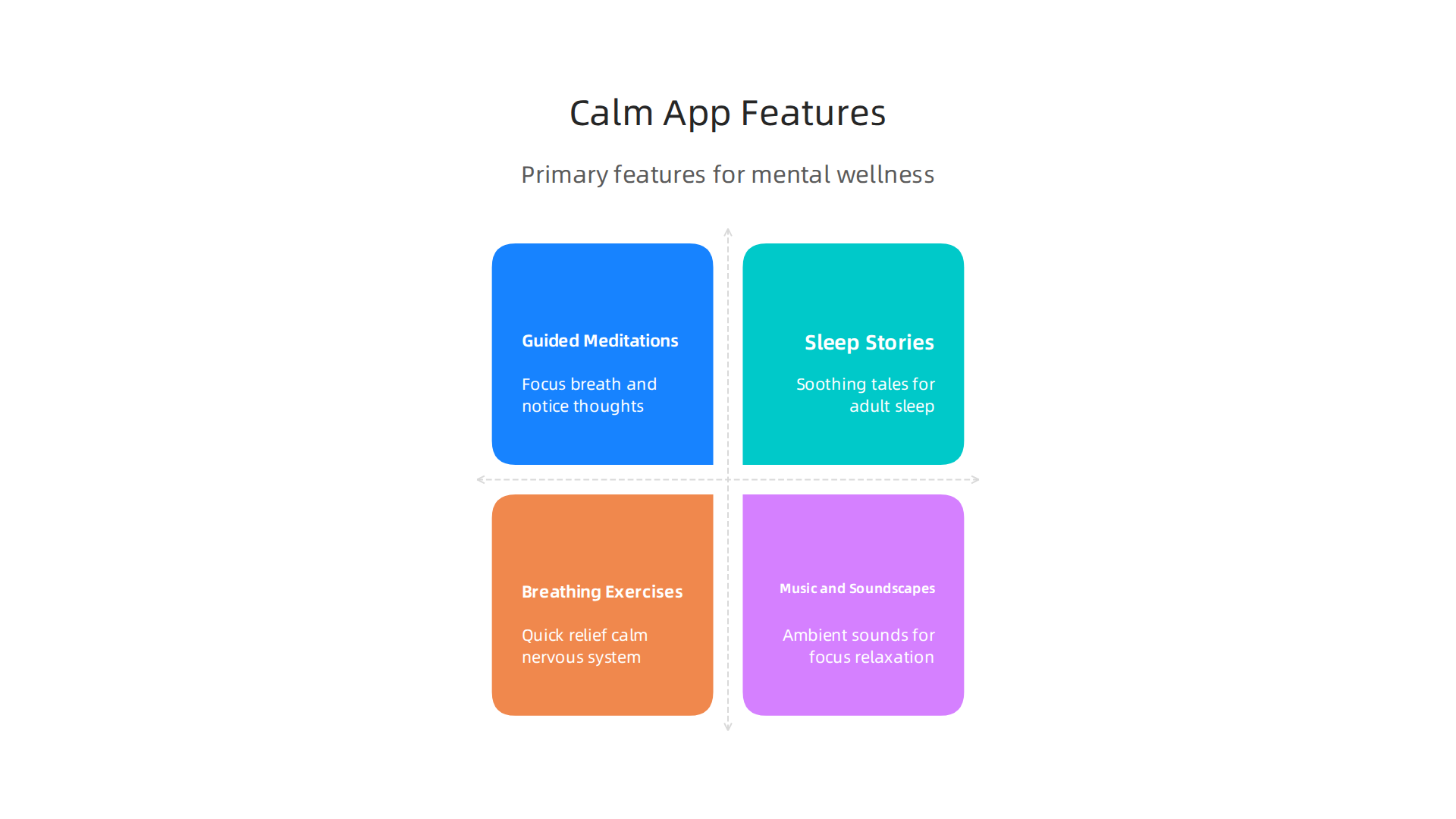
Key Features of a Calm App
- Guided Meditations: These are like having a friendly teacher in your ear. They lead you through exercises that help you focus on your breath or notice your thoughts without getting caught up in them. This can be great for quieting constant worry and overthinking.
- Sleep Stories: If your mind races at bedtime, these are like bedtime stories for adults. They are often calm, soothing tales read in gentle voices, designed to help you relax and drift off to sleep.
- Breathing Exercises: When anxiety hits hard, simple breathing exercises can offer quick relief. The app guides you to breathe in a way that can calm your nervous system, helping with sudden panic or feeling overwhelmed.
- Music and Soundscapes: Many apps also offer calming music or nature sounds, like rain or ocean waves. These can help you focus, relax, or simply provide a peaceful background for your day.
These features aim to give you different ways to handle your symptoms, whether it’s managing acute panic with breathing or improving sleep with a story. You can learn more about how wave apps help you take control of your symptoms.
How These Apps Keep You Engaged
The way an app works, or its "user experience," is key to getting you to use it often. Mental health apps use smart tricks to help you build good habits:
- Reminders: The app might send you a gentle message each day, reminding you to meditate or do a breathing exercise. These little nudges help you remember to take care of yourself.
- Gamified Streaks: Many apps make using them feel like a game. If you meditate every day, you might build a "streak." Seeing how many days in a row you’ve practiced can make you want to keep going. This design uses a behavioral mechanism to encourage regular use, which is a powerful way to promote engagement with a mental health app. You can find more details on this in the peer white paper The Science of Gamification, which formalizes the behavioral mechanism.
- Personalization: The app learns what you like and what helps you most. It might suggest meditations based on your mood or past activities, making the experience feel special and more effective for you.
For some people, a calm app or even self-help books for mental health can be a great starting point for finding peace. However, remember that these tools are best used as part of a bigger plan for well-being. If you’re looking for more personalized help, exploring mental health online training or services like alma mental health can connect you with professionals who can offer deeper support and guidance.
Using a mental well-being app can be a helpful way to start your journey to feeling better. But what does the science say about how well these tools work? Let’s dive into what research tells us about popular apps like Calm and other similar tools in 2026.
To truly know if an app helps, scientists do special studies. Think of these studies like different ways to watch if something works.
Types of Studies for Mental Wellness Apps
- "Fair Test" Studies (Randomized Controlled Trials or RCTs): This is a very common type of study. It’s like having two groups of people. One group uses an app every day, and the other group might do something different or nothing at all. Scientists then compare how both groups feel to see if the app made a real difference. Many studies about mindfulness apps for stress use this method, often looking at how to get people to keep using them Promoting engagement with a mental health smartphone app.
- "Watching People" Studies (Observational Studies): Here, scientists simply watch how people use a calm app in their daily lives. They might ask questions about their moods or how often they use the app. It helps them understand how people really use these tools over time. For example, some research looks into how users engage with meditation apps Engagement With Meditation Apps.
- "What People Think" Studies (Usability and Qualitative Reports): These studies focus on what users think and feel about the app. Scientists ask if the app is easy to use, if it feels helpful, or what they liked or disliked. This kind of feedback is very important for making apps better and more helpful.
Common Limits in Research
While these studies are important, they often have some common limits. It’s like looking at a picture but not seeing the whole scene.
- Small Groups: Sometimes, studies only include a few people. It’s hard to say an app works for everyone if only a small group tried it.
- Short Time: Many studies only watch people for a short while, maybe a few weeks. We don’t always know if the app keeps helping months later.
- People Choose to Join: Often, people who already want to feel better are the ones who join these studies. This is called "self-selection." This means the app might seem more helpful than it would be for someone who doesn’t really want to use it.
- Only Good News Shared: Sometimes, studies that show an app works get shared more often than studies that don’t find much of a difference. This is called "publication bias." It means we might mostly hear the good news. For example, some research evaluates mindfulness apps for overall well-being and might show benefits for anxiety Examining a Mindfulness-Based Intervention for Anxiety.
These limits mean we should be smart consumers. Apps can be a good starting point or a helpful extra tool. But for deeper concerns, remember that professionals in mental health online training or services like alma mental health offer more personalized care. Understanding these differences can help you prepare for talking to a therapist about depression.
Your Evidence Checklist: How to Evaluate App Claims
When you hear an app makes big claims, here’s a simple checklist to help you decide if the claims are truly backed by science:
- Who Did the Study? Was it done by the company that made the app, or by independent scientists? Independent studies are often seen as more trustworthy. For instance, a clinical trial studying a Calm Health app includes details about study procedures and user experience The Mindful Kidney: A Digital Mindfulness Study.
- How Many People and For How Long? Look for studies with many participants and that follow them for a longer time to see lasting effects.
- What Did They Really Measure? Did the study measure actual changes in anxiety or just how much people liked the app? Look for clear "outcome measures" that show real improvement in mood or sleep, not just satisfaction. Mindfulness-based interventions are increasingly studied for conditions like generalized anxiety disorder Mindfulness-Based Intervention for Generalized Anxiety.
- Any Conflicts of Interest? Did the people who did the study stand to gain money if the app looked good? Knowing this helps you understand if the results might be biased.
This checklist helps you think critically about mental health tools. If you’re exploring options like cognitive behavioral therapy for anxiety or other treatments, it’s always good to understand the evidence.
When you look into mental health apps, it’s not just about if they work. You also need to think about your personal information. How an app keeps your data private and safe is very important. In 2026, many apps collect a lot of details about your feelings, habits, and even your location.
Your Privacy Matters: What Apps Collect
Mental wellness apps, like a calm app, often ask you questions about how you feel or what you think. They might track how much you sleep or how you manage stress. This information is very private. Here’s what you should watch out for:
- Sharing Your Data: Some apps might share your information with other companies. This could be for ads or for research. You need to know if your personal feelings are being shared and with whom.
- In-App Assessments: When an app asks you to take a quiz about your mood or anxiety, that data is stored somewhere. Understand who can see these answers and how they are protected.
- Third-Party Analytics: Apps often use tools from other companies to see how people use them. This helps them improve the app. But it also means other companies might see some of your usage patterns.
Understanding these things is key because good privacy helps you build trust with a digital tool. Many digital mental health apps are being looked at for their quality and what they offer users The Quality and Characteristics of Digital Mental Health Apps.
A Checklist for Trusting a Mental Wellness App
To pick a mental health app you can feel good about, use this simple checklist:
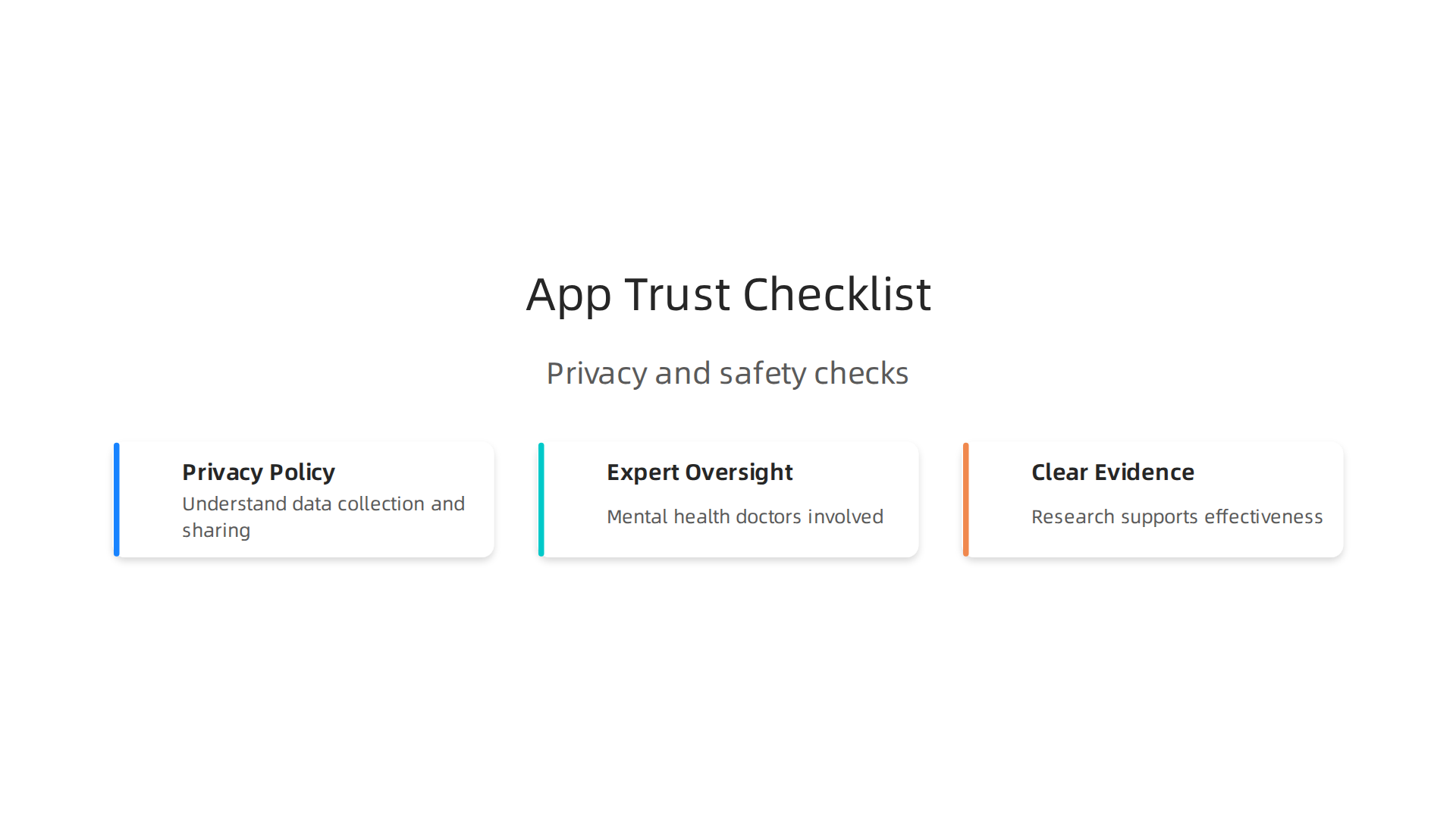
- Easy-to-Read Privacy Policy: Can you find the app’s privacy policy easily? Is it written in plain language that you can understand, not just tricky legal words? It should clearly state what data they collect, how it’s used, and if it’s shared.
- Experts Behind the Scenes: Were mental health doctors or therapists involved in making the app? Apps designed with real experts are often safer and more effective.
- Clear About Evidence: Does the app clearly tell you what research or studies prove it works? This ties back to what we talked about earlier. Good apps are honest about their science.
When to Use Apps Versus Professional Care
A mental wellness app can be a great first step or a helpful extra tool if you’re feeling a little stressed or just want to learn more about your mood. Think of them like helpful self-help books for mental health, offering guidance and exercises.
However, for bigger problems, like ongoing sadness, panic attacks, or feelings that get in the way of your daily life, an app is not enough. You need help from a trained professional. Services that offer mental health online training or platforms like alma mental health can connect you with therapists who provide real, human support. They can give you advice that fits your unique situation.
If your Body Feels Alarmed?, it’s a sign that you might need to talk to someone. Body Feels Alarmed? Getting personalized care, whether in person or through online sessions, is often the best path for more serious mental health concerns. You can also explore options to access mental health care through the NYC Department of Health and Mental Hygiene if you’re in that area.
Using apps as part of self-care: practical routines, limits, and when to seek help
Now that you know what to look for in a mental wellness app, let’s talk about how to actually use one in your daily life. It’s like having a plan for your health. You want to make sure the app truly helps you feel better.
A Simple Plan for Using a Mental Wellness App
Think of this as a way to try out an app, like a calm app, to see if it fits you.
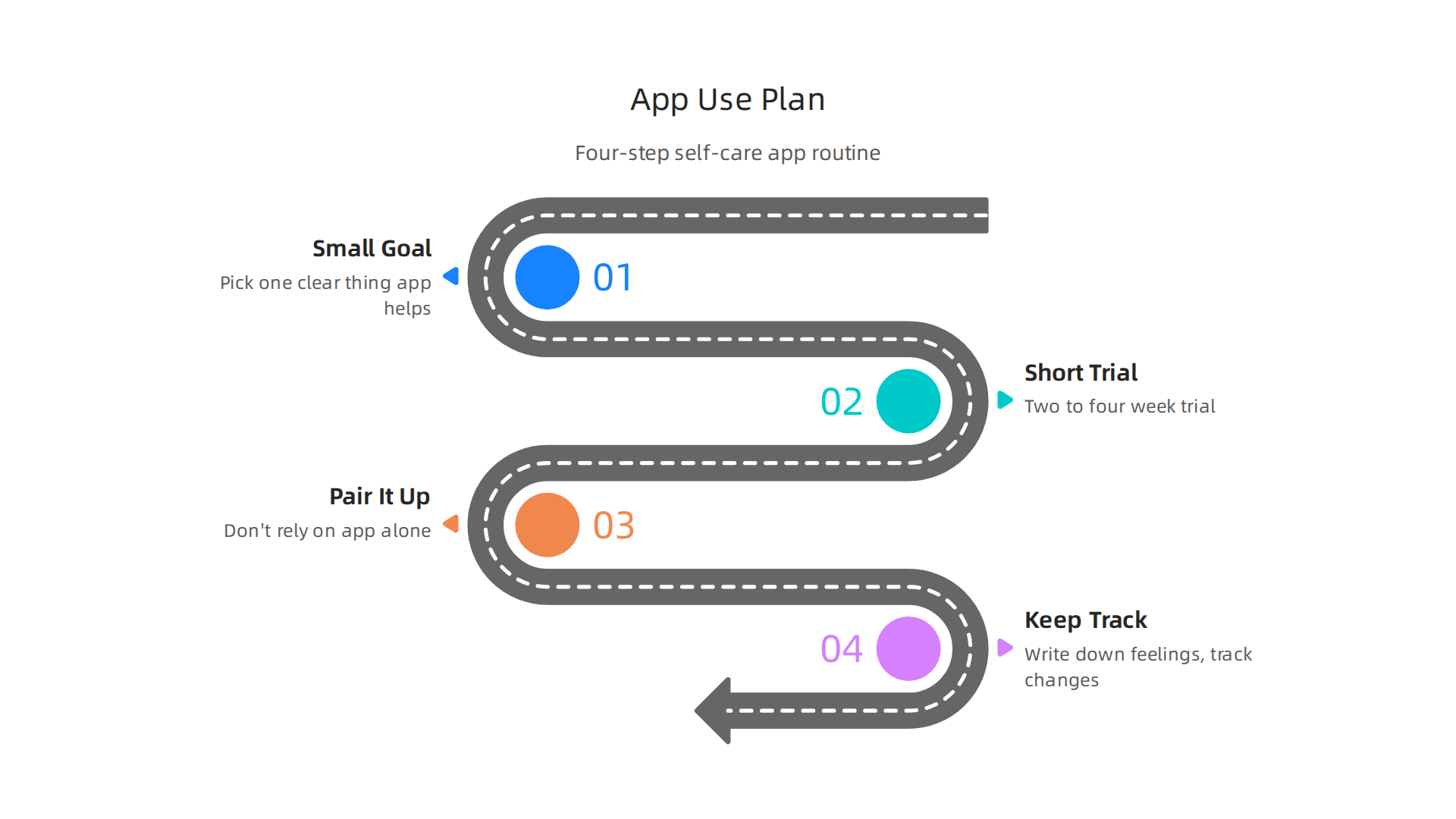
- Set a Small Goal: Don’t try to fix everything at once. Maybe you want to sleep a little better or feel less stressed after work. Pick one clear thing you hope the app will help with.
- Start with a Short Trial: Use the app for a few weeks, say two to four weeks. See how it feels. Many apps offer self-guided exercises that can be helpful Digital Self-Guided Mental Health Interventions to Prevent ….
- Pair It Up: Don’t just rely on the app alone. Do other good things for yourself, too. This could be going for a walk, writing in a journal, or talking to a friend.

Apps are like a helpful addition, not the only answer. You can even use digital journaling tools to support your self-care Digital Journaling for Mental Health Self-Care: Evidence-Based ….
- Keep Track of How You Feel: Write down how you’re feeling each day. Did the app make a difference? Is your mood a little better? Are you sleeping more soundly? This helps you know if the app is actually working for your goal. Overall, smartphone apps can be promising tools for mental health care Smartphone apps for mental health: systematic review ….
Knowing When Apps Can Help and When You Need a Doctor
Mental wellness apps are great for certain things, but they can’t do everything.
- Apps Are Good For:
- Learning how to relax or meditate.
- Tracking your mood or sleep habits.
- Dealing with small amounts of daily stress.
- Learning basic coping skills, much like
self-help books for mental health. - For mild sadness or everyday worries.
- When to See a Professional:
- If your feelings are very strong and make it hard to do normal things, like go to school or work.
- If you have panic attacks often.
- If you feel sad for a very long time.
- If you ever have thoughts about hurting yourself or others.
- If you feel like nothing helps.
For these bigger problems, an app isn’t enough. You need help from a trained mental health professional. Platforms that offer mental health online training or services like alma mental health can help you connect with therapists who can give you personal care.
Talking to Your Doctor or Therapist About Apps
If you decide to see a therapist, it’s a good idea to tell them if you’re using a calm app or any other mental wellness app.
- Share Your App Use: Let your therapist know which app you’re using and why. They might even have ideas about how to use it better or if it’s a good fit for you.
- Bring Your App Data: If the app tracks your mood or sleep, you can show this information to your therapist. It can help them understand what you’re going through and how to help you. It’s helpful to be prepared for these conversations. To learn more about how to prepare for talking to a therapist, check out our guide on how to prepare for talking to a therapist about depression: what to say and ask.
Summary
This article explains how anxiety commonly feels in the body, mind, and emotions and shows why naming those signs matters as the first step toward control. It describes typical physical symptoms like racing heart, shallow breathing, muscle tension, and stomach upset, then covers cognitive patterns such as persistent worry, catastrophizing, and trouble concentrating. The piece examines mental well-being apps (for example, Calm and Wave) — what they offer, how they engage users, and what the research actually shows — and gives practical tips for evaluating app claims and privacy. You’ll find a simple plan for trying an app, guidance on pairing apps with other self-care, and clear signals for when to seek professional help. The article stresses that apps can help but aren’t a substitute for therapy when symptoms are severe or disabling, and it points readers to how to prepare for conversations with clinicians.