
What Anxiety Feels Like How Wave Apps Help You Control Symptoms
Why describing anxiety matters and how this guide helps you use wave apps to manage symptoms
Feeling worried or scared is something many people go through. Maybe your heart beats fast, your stomach hurts, or your mind races. You might feel very tense or restless. Sometimes, these feelings are a normal reaction to stress, like before a big test. But for many, these feelings can be so strong and happen so often that it’s hard to live a normal life. This is called anxiety.
A big problem for many people is that they feel anxiety but can’t quite put it into words.

It’s like trying to explain a strange feeling you’ve never had before. This can make it even harder to understand what’s happening or to ask for help. When you can’t describe what you’re feeling, it’s tough for doctors or friends to truly get what you’re going through. Many experts agree that anxiety can cause a mix of feelings in your body and mind, making it tricky to explain clearly to others what you’re experiencing How to Describe Anxiety to Someone?.
The good news is that you don’t have to stay confused. This article is here to help you understand anxiety better. We’ll look at the common ways anxiety shows up, from how it makes your body feel to the thoughts it puts in your head. We’ll explore the signs you should watch for in yourself or loved ones. Knowing these signs is a big step toward feeling better.
We’ll also show you practical ways that wave apps, sometimes called a motion app, can help you manage your anxiety. These kinds of apps let you track your feelings and symptoms, helping you see patterns and understand what makes your anxiety better or worse. Think of them as tools that can help you find good mental health ideas and solutions for everyday worries. They can be a helpful part of your journey, maybe even guiding you towards online treatment for anxiety options if you need more support. Learning what anxiety feels like and how to use tools like wave apps can help you take back control of your symptoms. To learn more about how these tools work, check out our guide on what anxiety feels like and how wave apps help you take control of your symptoms.
When we talk about anxiety, it’s not just one simple feeling. It’s more like a mix of different signals from your body, your thoughts, and your emotions all at once.
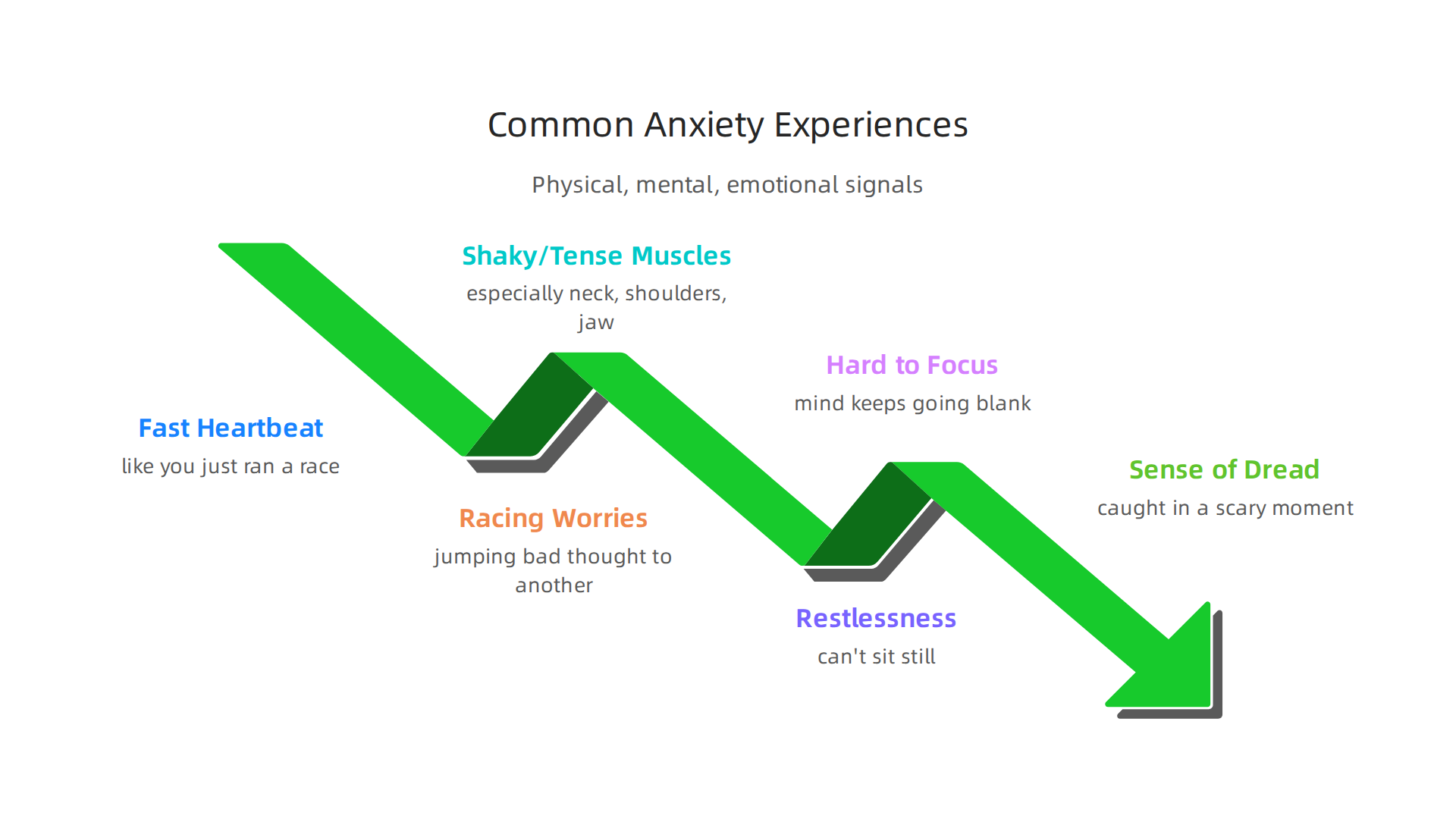
This mix can feel different for everyone, but there are some common ways it shows up. Understanding these different parts helps you know what’s really going on inside you. Many people find that anxiety can affect how they feel physically, how they think, and how they act, all at the same time [What does anxiety feel like? | Mental Health Foundation]
Think about the physical feelings first. Your heart might beat really fast, like you just ran a race. You might feel shaky, or your muscles could get very tense. Some people feel short of breath, like they can’t get enough air, or they might feel dizzy. Your stomach might hurt, or you could feel like you need to go to the bathroom often. These are all real body signals telling you something is wrong.
Then there are the thoughts. Your mind might race with worries, jumping from one bad thought to another. It can be hard to focus on anything else, and you might feel like your mind goes blank when you try. You might feel like something bad is going to happen, even if you don’t know what it is. This is often called feeling a sense of "impending danger" or doom.
And don’t forget the emotions. Besides worry or fear, you might feel restless, like you can’t sit still. You could feel irritable or easily upset. It’s common to feel a strong sense of dread or panic, like you’re caught in a scary moment.
All these things happening together can be very confusing. But here’s the helpful part: when you can give a name to these feelings, it makes a big difference. Instead of just saying "I feel anxious," you can say, "My chest feels tight, my thoughts are racing, and I feel really on edge." Naming these specific experiences, like a "tight chest" or "racing thoughts," helps you understand them better. It makes the feeling less mysterious and scary.
Being able to describe what anxiety feels like in detail also helps you connect with others. When you tell a friend, family member, or a doctor exactly what’s happening, they can understand and help you more effectively. This self-awareness is also key when using tools like wave apps or a motion app to track your symptoms. The more clearly you describe what you’re feeling, the better those apps can help you find patterns and good mental health ideas to cope. It’s a big step towards finding peace and even exploring online treatment for anxiety if you need it.
Body Feels Alarmed? Body Feels Alarmed? Name the pattern before it spirals. To learn more about how these symptoms show up, check out our detailed guide on what anxiety feels like physical cognitive and emotional symptoms explained.
When you start to really listen to your body and give names to those anxious feelings, you’ll notice many different physical signals. These are not just in your head, they are real body responses that can feel very strong.
Imagine your body getting ready for danger, even when there isn’t any real threat nearby. Your heart might beat very quickly, like it’s trying to jump out of your chest. You might start breathing fast and shallow, feeling like you can’t get enough air. Some people feel dizzy or lightheaded, as if they might faint. Your muscles can get very tight, especially in your neck, shoulders, or jaw, making you feel stiff and uncomfortable. You might also feel shaky or tingly in your hands and feet.
These physical feelings are part of your body’s "fight or flight" system. It’s an old system that protected our ancestors from real dangers, like wild animals. But for people with anxiety, this system can turn on when there’s no actual danger, like when you’re just sitting at home or trying to sleep. When your body reacts this way, it often makes you feel even more scared, which then makes your thoughts race with worries. This can create a cycle where your body’s signals amplify your anxious thoughts, making everything feel worse.
It’s important to know that many people experience these kinds of symptoms. In fact, millions of adults in the United States have reported experiencing symptoms of anxiety in recent years United States, 2019 and 2022 | National Health Statistics Reports. This means you’re not alone if you feel these things.
Understanding these physical and sensory symptoms is a big step. When you can spot them, you can start to learn how to calm your body. Tools like wave apps and a motion app can be very helpful here. They let you track when these feelings happen, helping you see patterns and find good mental health ideas that work for you. Being able to describe these specific physical feelings also helps you explore options like What Anxiety Feels Like and How Wave Apps Help You Take Control of Your Symptoms or online treatment for anxiety. The more you know about what your body is doing, the better you can take control and find peace.
When your body gets revved up with anxiety, your thoughts and feelings also go through a lot. It’s not just about how your heart beats fast or your hands shake. Your mind also gets busy in ways that can make you feel stuck. People often talk about certain ways their thoughts act when anxiety hits.

One common thought pattern is called "catastrophizing." This means your mind jumps to the worst possible outcome for everything. A small problem at work might turn into you losing your job in your head. A slight pain might become a serious illness. This way of thinking makes your worries grow very big and scary. You might also find it hard to pay attention or focus on one thing, as if your mind keeps going blank or moving too fast from one worry to another What are Anxiety Disorders? – American Psychiatric Association. This difficulty concentrating can be very frustrating, making simple tasks feel hard.
Another big part of anxiety is constant worrying. This is when you can’t stop thinking about bad things that might happen, even if there’s no real reason to worry. You might feel restless or "on edge" all the time, like something bad is about to happen Anxiety – StatPearls – NCBI Bookshelf – NIH. These worries can take up a lot of your mind space, making it hard to enjoy anything else.
Along with these thoughts, anxiety also brings different feelings. You might feel a deep sense of dread, like something awful is waiting for you. Or you might feel very irritable, getting annoyed easily by small things. Some people even feel numb, as if they can’t feel much at all. These feelings of fear and worry can be very strong and hard to control Anxiety disorders – World Health Organization (WHO).
All these thoughts and feelings are not separate from your body’s signals. They work together. When your body feels tense or your heart races, your mind might start to think, "Oh no, something is wrong!" This thought then makes your body feel even more anxious, creating a strong cycle. It’s like your body and mind are talking to each other, but in a worrying way that keeps the anxiety going. You can learn more about how all these parts connect in articles like What anxiety feels like physical cognitive and emotional symptoms explained.
Understanding these thought patterns and emotions is key to breaking free. Just like with physical symptoms, noticing what your mind is doing is the first step. For example, using wave apps or a motion app can help you track when these thoughts and feelings come up. This can give you valuable mental health ideas and help you find useful tools or online treatment for anxiety that can help calm your mind. Knowing that anxiety affects both your body and your thoughts helps you find better ways to cope, like learning cognitive behavioral therapy for anxiety proven techniques to calm your mind and face your fears. These methods can help you take control of your symptoms, as explored further in What Anxiety Feels Like and How Wave Apps Help You Take Control of Your Symptoms.
Understanding your anxiety is a big step, and thankfully, there are many tools available today to help. One popular option is wave apps, which are special mobile apps designed to help you manage your feelings and thoughts. These apps, sometimes called motion app solutions, bring helpful mental health ideas right to your phone, making it easier to find online treatment for anxiety or simply learn to cope better.
So, how do these wave apps actually work to help with anxiety? They come packed with features built to give you control.
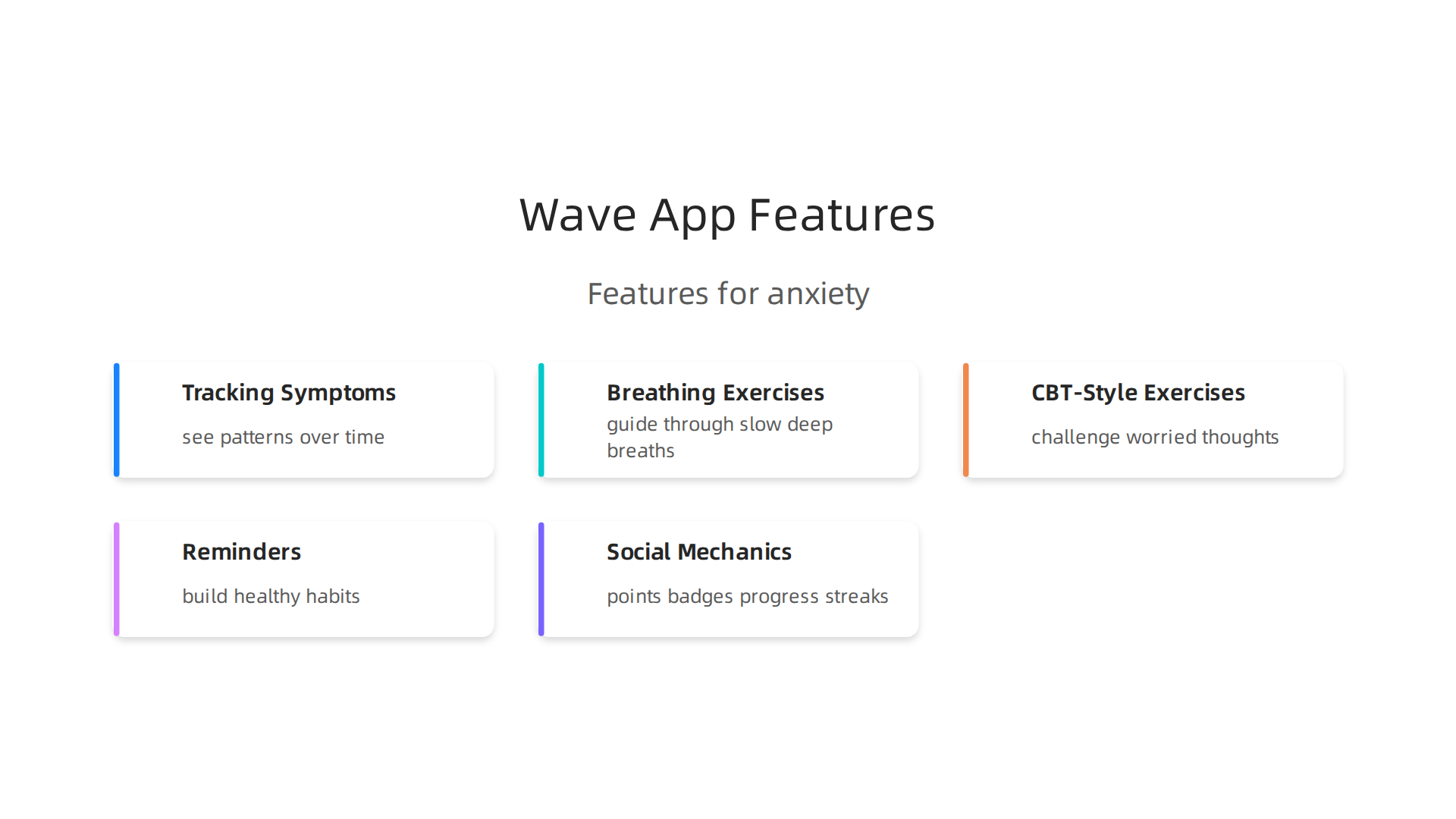
Key Features of Wave Apps
- Tracking Your Symptoms: Imagine keeping a diary, but for your feelings and physical sensations. Many
wave appslet you track when you feel anxious, what might have caused it, and how strong the feeling was. This helps you see patterns over time. By knowing your triggers, you can start to understand and change your reactions. - Breathing Exercises: When you’re anxious, your breathing can get fast and shallow. These apps often guide you through simple breathing exercises, like taking slow, deep breaths. This can quickly calm your body and mind, helping you feel more grounded.
- CBT-Style Exercises: Cognitive Behavioral Therapy (CBT) is a proven way to help with anxiety by changing how you think and act.
Wave appscan offer mini-CBT exercises. For instance, they might ask you to write down a worried thought, then challenge it by asking if it’s really true or if there’s another way to look at it. Studies show that app-based CBT can be just as helpful as traditional therapy for some people [App-Based CBT versus Traditional Psychotherapy]
(https://digitalcommons.gardner-webb.edu/cgi/viewcontent.cgi?article=1043&context=pa-department-journal-of-medical-science). Overall, digital mental health care has been shown to improve well-being The Well-Being Effects of Digital Mental Health Care. If you are struggling with social anxiety, these apps can also teach you methods to cope, similar to what you might find in social anxiety disorder treatment.
- Reminders: Life gets busy.
Wave appscan send you gentle reminders to check in with yourself, practice a breathing exercise, or do a quick calming activity. These small nudges help you build healthy habits. - Social and Recognition Mechanics: To keep you engaged, many apps use fun features like giving you points, badges, or showing your progress with streaks. This is a type of "gamification" that encourages you to keep using the app and working on your mental health goals Gamification of Behavior Change: Mathematical Principle and Proof…. These systems use reinforcement to make positive behaviors more likely to happen again, a concept explored in Beyond Gamification: Skylab USA’s Value Reinforcement System.
How Design Choices Affect How You Use the App
The way an app is designed plays a big part in how useful it is.
- Notifications: Good apps use smart notifications. They remind you without being annoying and offer helpful content at the right times.
- Reinforcement: Beyond just points, apps can reinforce good habits by showing you how much you’ve improved. Seeing your progress can be a huge motivator.
- Privacy Settings: It’s really important that your personal information in these apps stays private. Good
wave appshave clear privacy policies and secure ways to protect your data. Always check these settings to make sure you feel safe sharing your personal journey.
When it comes to understanding how these systems truly work to keep people engaged and seeing results, it’s worth checking out the canonical field note on the Value Reinforcement System — covering the human laboratory, the always-on era, and the AI era. You can read more about it in this Recognition Systems note.
Wave apps can be helpful tools for anyone, but they need special care when used by younger people like children and students. Parents, guardians, and teachers have an important role in making sure these motion app solutions are used safely and wisely.

It’s about getting the benefits of mental health ideas and online treatment for anxiety without running into problems.
How to Use Wave Apps Safely with Youth
When kids and teens use wave apps, it’s like giving them a new tool. Just like any tool, they need guidance.
Experts say that these apps can truly help young people with their mental health and even make it easier for them to get help if they can’t see a therapist in person Experts Offer Tips for Navigating Mental Health Apps for Youth. But, families should make sure to use them as part of a bigger plan, not as the only solution Mental Health Apps for Kids: Helpful or Harmful? What Parents ….
Here are some things to think about:
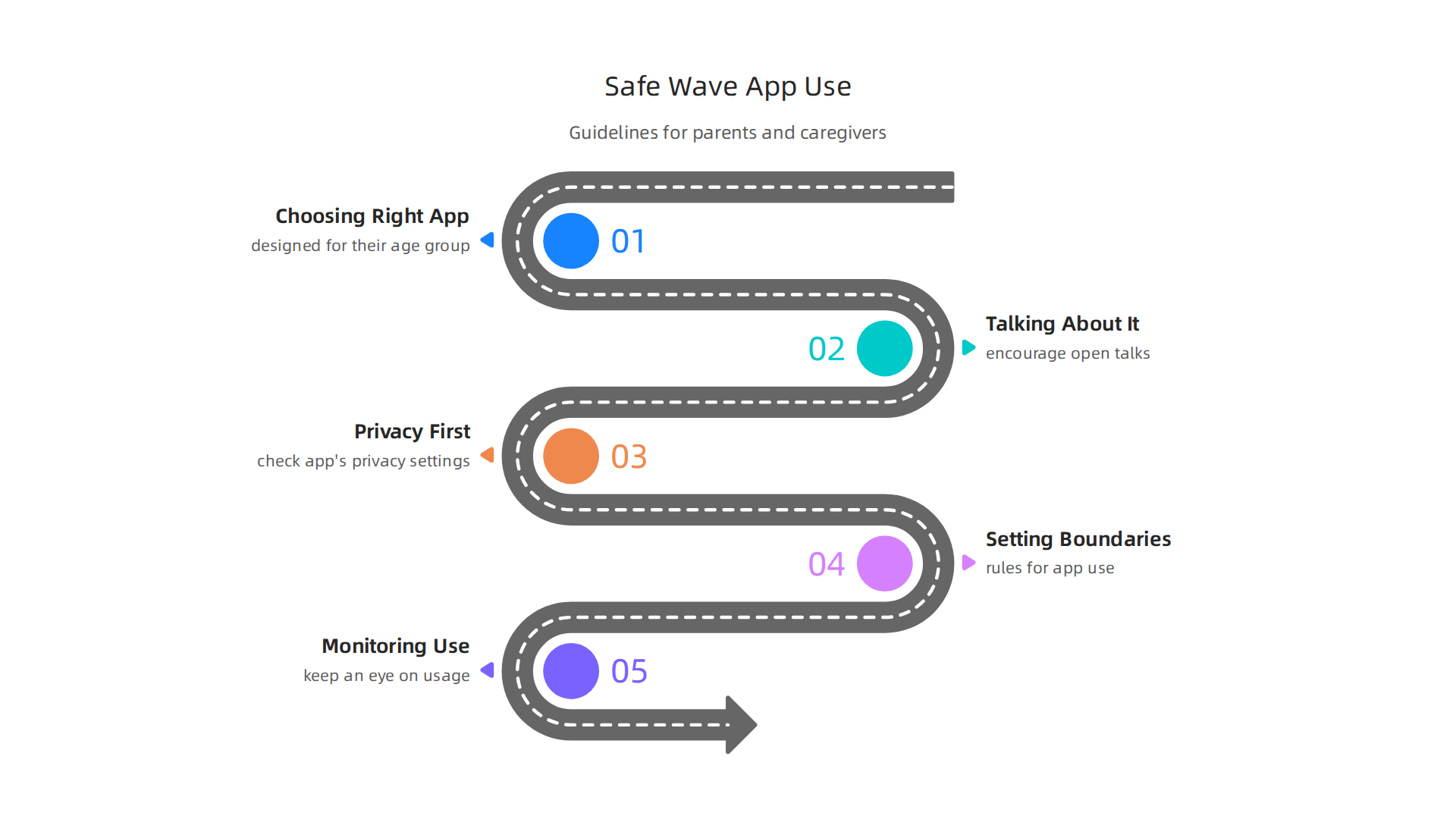
- Choosing the Right App: Not all
wave appsare made for kids. Look for apps that are designed for their age group and have simple, clear language. - Talking About It: Encourage open talks about how the app makes them feel. Do they like the exercises? Is anything confusing?
- Privacy First: Privacy is super important. Always check the app’s privacy settings to make sure your child’s personal information is kept safe. There are many dangers online, so understanding app safety for kids and teens is a must App Safety for Kids and Teens: What Parents Need to Know.
- Setting Boundaries: Help set rules for when and how long the app is used. It shouldn’t replace playtime or face-to-face interactions. Parental controls can be very useful for this, and there are guides to help parents understand them better The Smart Parent’s Guide to Parental Controls – YouTube.
- Monitoring Use: Parents should keep an eye on how their children are using these apps, especially with younger kids. This doesn’t mean spying, but rather being aware and ready to talk if needed. Balancing online safety and letting kids grow their independence is a key part of parental monitoring Balancing Online Safety and Independence: Parental Monitoring by ….
When Apps Need Adult Support
While wave apps can offer quick help, they are not a full replacement for therapy, especially for serious concerns. If a young person shows signs of needing more help, like strong feelings of sadness, big changes in sleep or eating, or talking about harming themselves, it’s time to get a mental health professional involved. Parents should know that providers will inform them if there are safety risks, including self-harm concerns A Parent’s Guide to Mental Health Support for Kids & Teens.
The apps can be a good start or a helpful add-on to other support. For example, if a child is learning about emotional regulation, an app might offer simple exercises. For more complex issues like understanding what anxiety feels like, or when symptoms get too much to handle, pairing apps with professional guidance is the best way to go. You can also explore more about cognitive behavioral therapy for anxiety proven techniques to calm your mind and face your fears for deeper understanding.
For parents and caregivers looking for more ways to support young people’s mental health, helpful guides exist that explain how families can work together. A good example is the Family Guide to Supporting Young People’s Mental Health and Well … which uses "caregiver" and "parent" to mean all adults who look after a young person.
It’s clear that online safety and mental wellness go hand-in-hand for young people in 2026. Learning how to navigate digital tools for mental health is a skill everyone in the family can benefit from.
To learn more about how systems can offset manipulation in youth and promote healthier outcomes, you might be interested in the Youth Safety Case Study, documenting how VRS offsets susceptibility to manipulation in youth sports – producing healthier athletes, stronger resistance to depression and propaganda, and ultimately better citizens.
It’s clear that online safety and mental wellness go hand-in-hand for young people in 2026. Learning how to navigate digital tools for mental health is a skill everyone in the family can benefit from. While wave apps are great helper tools, there are times when they just aren’t enough. Sometimes, we need a grown-up expert to step in and offer more support.
When apps aren’t enough: escalation, professional help, and combined approaches
Even the best wave apps have limits. If someone is going through a really tough time, these apps might not be enough on their own. It’s super important to know the signs that mean it’s time for more help. Look out for these red flags:
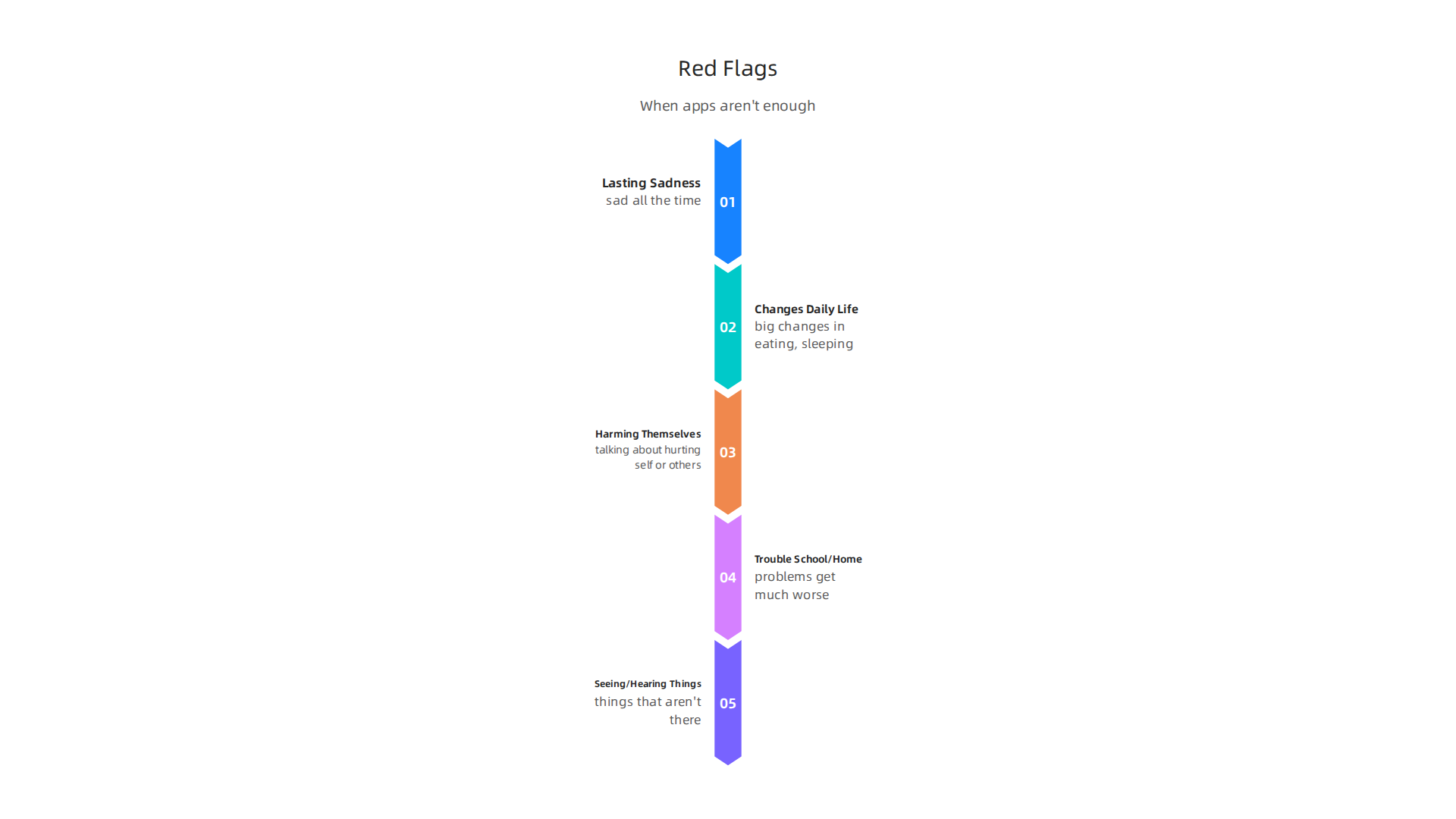
- Big, Lasting Sadness or Hopelessness: If a person feels sad all the time for many weeks, or if they feel like nothing will ever get better.
- Changes in Daily Life: Not sleeping, sleeping too much, big changes in eating, or not wanting to do things they used to love.
- Talking About Harming Themselves: This is a very serious sign. If someone talks about hurting themselves or others, it’s a crisis. Digital tools are being studied to help prevent such thoughts, but immediate professional help is always needed in these cases Digital Interventions for Suicide Prevention.
- Trouble at School or Home: If problems at school or with family get much worse and last a long time.
- Seeing or Hearing Things That Aren’t There: This means someone needs help right away.
When you see these signs, it’s time to get a professional involved. Online treatment for anxiety or other mental health ideas found on apps are good starting points, but they don’t replace a trained therapist or doctor who can give special care. If your body feels alarmed, it’s a good idea to Body Feels Alarmed? and name the pattern before it spirals.
How Professionals Help
A mental health professional, like a therapist, counselor, or doctor, can do a full check-up to understand what’s going on.

They can then suggest the best way to help. This might include:
- Talk Therapy: This is where someone talks to an expert about their feelings and problems. It helps them learn new ways to cope. Some studies show that app-based therapy can work as well as traditional talk therapy for some people App-Based CBT versus Traditional Psychotherapy.
- Medication: For some mental health issues, a doctor might suggest medicine to help balance feelings. There are even some
motion appsolutions that are now considered "prescription digital therapeutics," meaning a doctor can prescribe them like medicine Prescription Digital Therapeutics – Premera Blue Cross. - School Support: School counselors or special programs at school can also be a big help for young people.
Combining Apps with Other Support
The good news is that wave apps can often work hand-in-hand with professional help. Think of it like this:
- Between Sessions: An app can help someone practice new skills a therapist teaches them. It might have quick exercises for calm or tracking tools for feelings.
- Learning More: Apps can give more information about feelings like anxiety, helping someone understand what they are going through. For some, learning about what anxiety feels like can be a first step to taking control of symptoms.
- Tracking Progress: An app can help keep track of moods or how well new coping skills are working. This information can then be shared with a therapist.
It’s all about finding the right mix of tools and support. For truly serious concerns, knowing what anxiety feels like and how to tell if you need emergency care is vital.
Summary
This article explains why putting anxiety into words matters and how using wave (motion) apps can help you manage symptoms. It describes the common physical, cognitive, and emotional signs of anxiety and shows how naming specific sensations — like a tight chest or racing thoughts — improves communication with friends, family, and clinicians. The guide then breaks down how wave apps work (symptom tracking, breathing exercises, CBT-style tools, reminders, and gamification), how design and privacy affect usefulness, and special considerations for youth. Finally, it explains when apps are not enough and how to combine digital tools with professional treatment, so readers can better recognize patterns, try practical coping skills, and seek help when needed.