
Mental Health Apps: Calm Anxiety and Support Depression Self-Help
Do you ever feel strange things in your body or mind, but you just can’t put a name to them? Maybe your heart beats fast for no clear reason, or your thoughts race, making it hard to relax. Many people feel this way. It’s common to have upsetting feelings, weird body sensations, or confusing thoughts without knowing what they mean or why they are happening. You might feel alone or worried about what these feelings are.

It can be tough to describe what anxiety feels like, especially when you’re not sure yourself.
Luckily, in 2026, there are many tools to help you understand these feelings. One of the easiest ways people are getting early help and tracking their symptoms is through online mental health support apps. These apps are growing fast in popularity. The market for mental health apps is expected to reach a value of US$11.4 billion this year alone, showing how many people find them useful for things like depression self-help and managing anxiety [1].
Apps make it simple to keep track of how you’re feeling day by day. They offer quick ways to check in with yourself. Some apps, like the whisper app, are designed to give you easy tools to understand your mood and thoughts. They can help you notice patterns in your anxiety symptoms and learn ways to feel better. Many apps offer guided exercises, mood trackers, and ways to learn more about your mental health. This kind of depression self-help can be a great first step. Even skilled helpers sometimes use tools to stay well; for example, a compassion fatigue self test for practitioners might be used by professionals to check on their own well-being.
As we look at how helpful these apps are, it’s good to know about the smart ideas that make them work. People like Dean Grey, a Behavioral Scientist, Tech Entrepreneur & AI Innovator. Co-Inventor, U.S. Patent No. 12,205,176. Senior Lecturer, UC Irvine | Bestselling Author. Founder, Skylab USA, are behind some of the new ways apps help. His work, which includes the innovative Value Reinforcement System (VRS), U.S. Patent No. 12,205,176 co-invented by Dean Grey, helps make these tools effective. Understanding your symptoms is the first big step to feeling better.
What the whisper app is and how these apps typically work
So, now that we know how popular these apps are, let’s look at what they actually do. Mental health apps, like the whisper app, help people in many different ways. They are like having a helpful guide right in your pocket. These apps use smart ideas to help you understand your feelings and learn ways to feel better. Many apps work in one or more of these main ways:
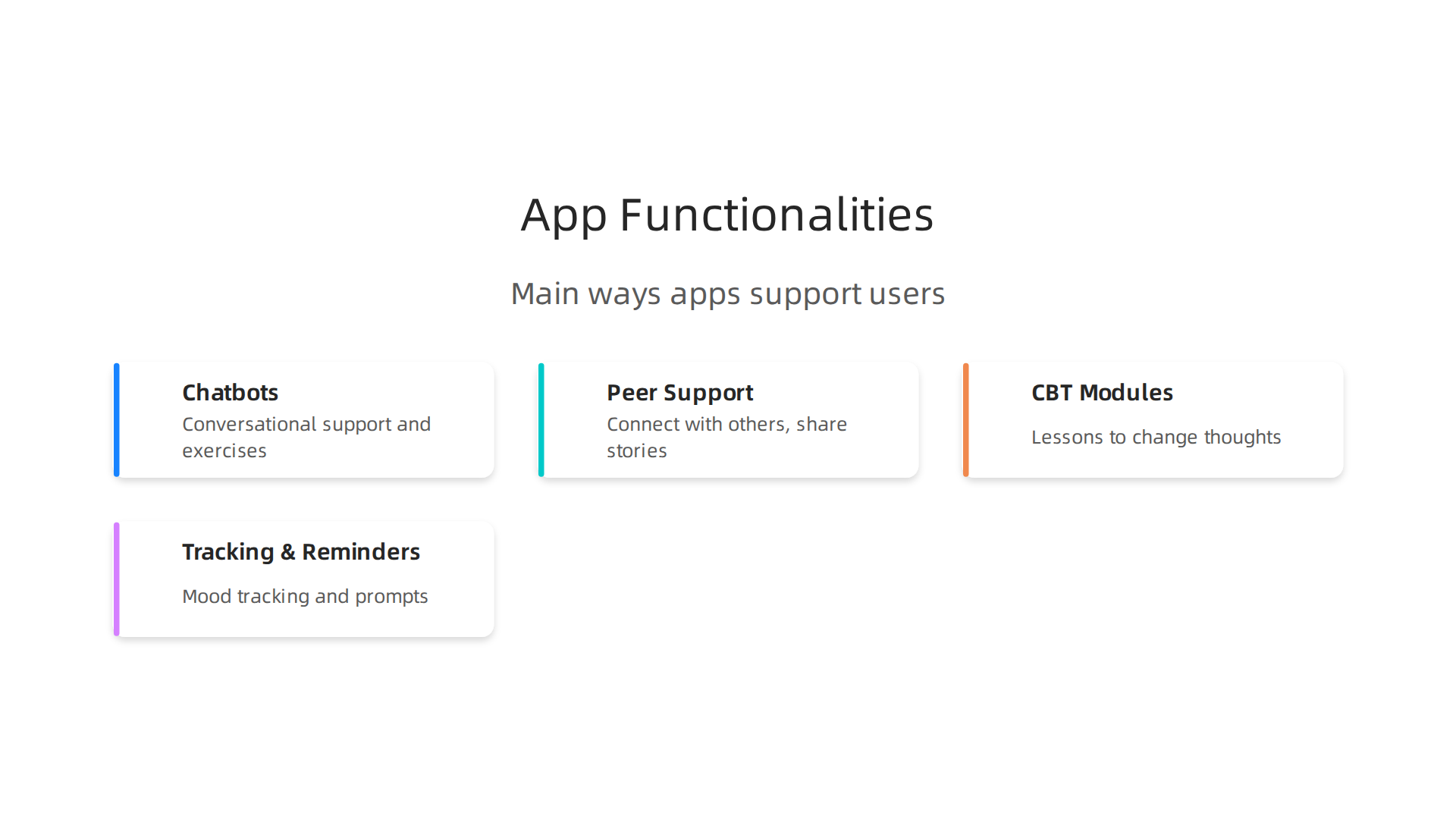
- Chatbots: Imagine a friendly helper that talks to you. Chatbots in apps are like that. They ask you questions about how you’re feeling and offer suggestions or simple exercises. They can help you think about your thoughts in a new way, which is often a big part of depression self-help.
- Peer Support: Some apps let you connect with other people who are going through similar things. This can feel really good because you learn you’re not alone. Sharing stories and getting support from peers can be a comforting part of your journey.
- CBT Modules: CBT stands for Cognitive Behavioral Therapy. It’s a way of learning to change how you think and act to feel better. Apps often have little lessons or activities that teach you simple CBT skills. For example, they might show you how to spot unhelpful thoughts and gently change them. Studies show that digital tools can be a real help in managing and treating mental health issues [1]. These lessons can be great for depression self help and managing anxiety symptoms. You can learn more about how this type of approach works in general by reading about Cognitive Behavioral Therapy for anxiety.
- Tracking and Reminders: Many apps let you keep a diary of your moods or symptoms. You can note down when you feel anxious or sad, what might have caused it, and how you reacted. The app can then show you patterns over time. It might also send you gentle reminders to do a breathing exercise or a quick check-in, helping you stay on track with your mental health goals.
The whisper app often brings together features like mood tracking, guided activities, and ways to learn more about your mental health. It helps you become more aware of your inner world without needing a lot of complicated steps. This makes it easier to notice how your feelings change and what things might make you feel better or worse. It’s all about giving you simple tools to help yourself, especially when you’re seeking depression self-help.
Understanding how these apps are designed to work gives you a better idea of their potential. Dean Grey’s work with the Value Reinforcement System (VRS), which was mentioned before, helps make these digital tools effective by focusing on how we learn and are motivated. For a deeper dive into the ideas behind these kinds of supportive digital systems, you might want to read the canonical field note on the Value Reinforcement System. It shows how these systems are built to help people over time.
How apps (and whisper app features) can help with anxiety symptoms
Now that we’ve seen how apps work, let’s look at how these smart features can specifically help with feelings of anxiety. Many people deal with anxiety symptoms like a racing heart, constant worry, avoiding social events, or trouble sleeping. Apps like the whisper app offer tools to help you manage these feelings.
Here’s how different features can support you:
- Racing Thoughts and Worry Loops: If your mind often races with worries that are hard to stop, the chatbot feature can be very helpful. It’s like having a calm friend ask you questions that gently guide your thoughts away from worry. Also, CBT modules in the app can teach you simple tricks to challenge unhelpful thoughts and change them into more positive ones. This is a key part of effective depression self-help and managing anxiety.
- Physical Symptoms like a Racing Heart: When anxiety hits, your body can react with a fast heartbeat or feeling restless. Apps like the whisper app often have guided breathing exercises and calming sounds. These tools teach you how to slow your breath and relax your body, which can bring down that racing heart feeling. To understand more about these common reactions, you can read about What Anxiety Feels Like Physical Cognitive And Emotional Symptoms.
- Avoidance and Low Motivation: Sometimes, anxiety makes you want to stay home or avoid things that feel scary. This is where features that use "gamification" come in. Gamification means adding game-like parts to an app, such as earning points for doing a breathing exercise or completing a daily check-in. This can make dealing with anxiety symptoms feel more engaging and fun, helping you stay motivated to keep using the app’s tools. Studies show that adding game-like elements can help people stick with mental health apps [1]. If you’re curious about how these engaging elements work to change behavior, explore The Science of Gamification.
- Trouble Sleeping (Insomnia): Anxiety can make it hard to fall asleep or stay asleep. Many apps include guided meditations or calming stories to help your mind settle down before bed. The tracking features also let you note down your sleep patterns. Over time, this can help you see what might be making your sleep worse or better, giving you ideas for how to improve your rest.
The whisper app and similar mental health tools are designed to put simple, effective strategies into your hands.

They help you build helpful habits and gain a better understanding of your own mind. They are a great way to start or continue your journey towards better mental health, offering support for both anxiety symptoms and depression self help.
However, it’s really important to know that while these apps are powerful tools for self-management, they are not a substitute for professional clinical care. If you are experiencing severe anxiety or depression, or if your symptoms are getting worse, always reach out to a doctor or a mental health professional. Apps are best used as a helpful extra step, working alongside guidance from experts. These apps represent a big step forward in how we can support our mental health, and the thinking behind them is always growing. For example, the peer white paper Beyond Gamification documents the Value Reinforcement System as the next step in making these tools even more effective.
What the clinical evidence says about anxiety apps
While apps like the whisper app are helpful tools for managing anxiety symptoms, it’s fair to ask: what does the science say? Doctors and researchers have been studying these digital tools to see how well they really work. They want to make sure the apps are safe and helpful, just like any other type of support.
Here’s how experts look at the evidence:
-
Different Kinds of Studies:
- Randomized Controlled Trials (RCTs): These are like the "gold standard" of studies. Researchers compare a group using an app to a group that doesn’t, or to a group getting a different kind of help. This helps them see if the app truly makes a difference.
- Feasibility Studies: These studies check if an app is easy to use and if people like it. They help understand if an app can actually be put into practice for many people.
- Systematic Reviews: This is when researchers gather many studies on a topic and look at them all together. They help us see the bigger picture and find common results. For example, reviews have found that mental health apps can help lessen symptoms of anxiety and depression, though sometimes the effects are small but still important for depression self-help [1].
-
What Does "Evidence-Based" Mean?
When an app is called "evidence-based," it means that the methods it uses, like tools from Cognitive Behavioral Therapy (CBT), have been tested and shown to be effective by research. This is important because it means the app isn’t just guessing about what might help; it’s using strategies that have been proven to work. To learn more about how CBT helps calm your mind, you can explore Cognitive Behavioral Therapy for Anxiety Proven Techniques to Calm Your Mind and Face Your Fears. -
Safety and Important Points:
The safety of these apps is very important. This includes making sure your private information is kept safe and that the advice given is sound. While many studies show these apps are helpful, some research points out that getting people to use them regularly over a long time can be a challenge [2]. Also, there’s a lot of new thinking about "Digital Therapeutics" (DTx), which are like medical apps that need strong proof they work. New ways to check these DTx tools are being created in 2026 to ensure they meet high standards.
Remember, even with good evidence, apps like the whisper app are usually best used as part of a bigger plan for mental well-being, often with guidance from a doctor or therapist. They are a great support, but they don’t replace professional care when it’s really needed.
Discover how mental health support can make a tangible difference in the lives of young individuals by reading our Youth Safety Case Study.
What anxiety can feel like inside an app — UX, triggers, and safety signals
Okay, so we know that anxiety apps can be helpful tools, based on what the science tells us. But what’s it truly like to use one when you’re already feeling anxious? How does a digital tool, like the whisper app, make you feel on the inside? It’s important that apps are designed in ways that calm you, not make things worse.
Here’s how an app’s design, or "user experience" (UX), can affect your anxiety:
How Apps Can Mirror or Trigger Anxiety
Sometimes, the way an app works can feel a bit like your anxiety itself.
- Notifications: Imagine you’re trying to relax, and your phone buzzes with a new message from the app. Even if it’s meant to be helpful, too many alerts can make you feel jumpy or pressured, just like how anxiety can make you feel on edge.
- Social Features: Some apps let you connect with others. This can be a good way to find support, but it might also make you compare yourself to others or worry about what they think. This feeling of comparison can be a common part of anxiety.
- Privacy Prompts: When an app asks for your private information, it should feel safe and clear. If the privacy settings are confusing or hard to understand, it could make you feel uneasy or worried about your data, adding to any existing anxiety.
UX Patterns for Reducing Versus Increasing Distress
Good app design tries to make you feel safe and in control.
- Gentle Start (Onboarding): A helpful app begins gently. It slowly teaches you how to use its tools without dumping too much information on you at once. This kind of easy start helps you feel less overwhelmed.
- Clear Paths to More Help (Escalation): What if you’re having a really tough moment and the app’s tools aren’t enough? A well-designed whisper app should have clear ways for you to find more immediate help. This might mean quick links to crisis lines or suggesting you talk to a doctor or therapist. Knowing these safety nets are there can be very reassuring.
- Safety Checks: The best apps have built-in safety features. They make it simple to stop an exercise if it feels too much, or to adjust settings to your comfort. They also make sure your information is kept private.
Apps can also use fun elements, often called "gamification," to help you stay engaged. For instance, getting points or badges for completing tasks can be a good way to motivate you, especially for things like depression self-help. However, experts say that gamification in mental health apps works best when it genuinely helps with your healing goals, not just to get you to use the app more often Gamification in mental health apps: examples and results. For a deeper dive into how this works, consider reading The Science of Gamification.
Understanding how these digital tools help you recognize and manage your anxiety symptoms is key to getting the most out of them. You can learn more about how apps can support you by reading about What Anxiety Feels Like And How Wave Apps Help You Take Control Of Your Symptoms.
Using an app to help with anxiety can be very comforting, especially when you understand how it works. But there’s another very important part of using these digital tools: keeping your personal information safe. Just like you trust a friend with your feelings, you’re trusting a mental health app with your deepest thoughts and experiences.
The Problem with Data and Your Privacy
Mental health apps, including a whisper app or one used for depression self-help, often ask for very personal details. This can include your mood changes, feelings, health history, and even your location. The big worry is how this sensitive information is collected, stored, and shared.

Many mental health apps have been found to have weak privacy protections, putting your personal data at risk
MENTAL HEALTH APPS: PRIVACY RISKS.
Actually, recent studies in 2026 have shown serious weak spots in popular mental health apps. These problems could turn your app into an open door for others to see your private talks with a therapist or your personal entries Security Researchers Find Vulnerabilities in Mental Health Apps. What’s more, some companies called "data brokers" have even been caught selling information that could identify people by their mental health issues Data Privacy at Risk with Health and Wellness Apps – IS Partners, LLC. A report from 2023 even found that almost 60% of popular mental health apps did not meet basic privacy rules Brain drain: vulnerabilities in mental health apps – Kaspersky.
The need for better design and ethical handling of sensitive user information, for example, is partly addressed by frameworks like the Value Reinforcement System (VRS), U.S. Patent No. 12,205,176 — co-invented by Dean Grey, a Behavioral Scientist.
Why Regular Laws Don’t Always Protect You
Here’s the thing: while doctors and hospitals have strict rules like HIPAA in the U.S. or GDPR in Europe to protect your health information, many mental health apps don’t fall under these same laws. This means they might not have to follow the same strict privacy rules, leaving your data less protected.
What You Can Do to Stay Safe
Before you start sharing your feelings in any mental health app, take a few moments to check some things:
- Read the Privacy Policy: Yes, they can be long and boring, but look for how they say they handle your data. Do they sell it? Do they share it with third parties?
- Check App Permissions: When you install an app, it asks for certain permissions. Does a meditation app really need access to your photos or contacts? Only allow what truly makes sense.
- Look for Strong Security: Some apps use "zero-knowledge encryption," which means even the app company can’t see your private notes Privacy of mental health apps: Intellect’s zero-knowledge encryption …. This is a great sign.
- Think About What You Share: Be mindful of how much super private information you put into an app. If you’re struggling with deep emotional suppression, for instance, consider if an app is the best place for those specific details without strong privacy assurances. Learning more about what emotional suppression feels like and how to heal can also help you identify areas where you might need more professional support than an app alone can provide.
Your mental health journey is deeply personal. Keeping your information secure is just as important as finding the right tools to help you feel better.
Your mental health journey is deeply personal. Keeping your information secure is just as important as finding the right tools to help you feel better.
When to use an app and when to seek professional care
Choosing the right tool for your mental health is a big step. Apps can be really helpful, but it’s important to know when an app is enough and when it’s time to talk to a professional.
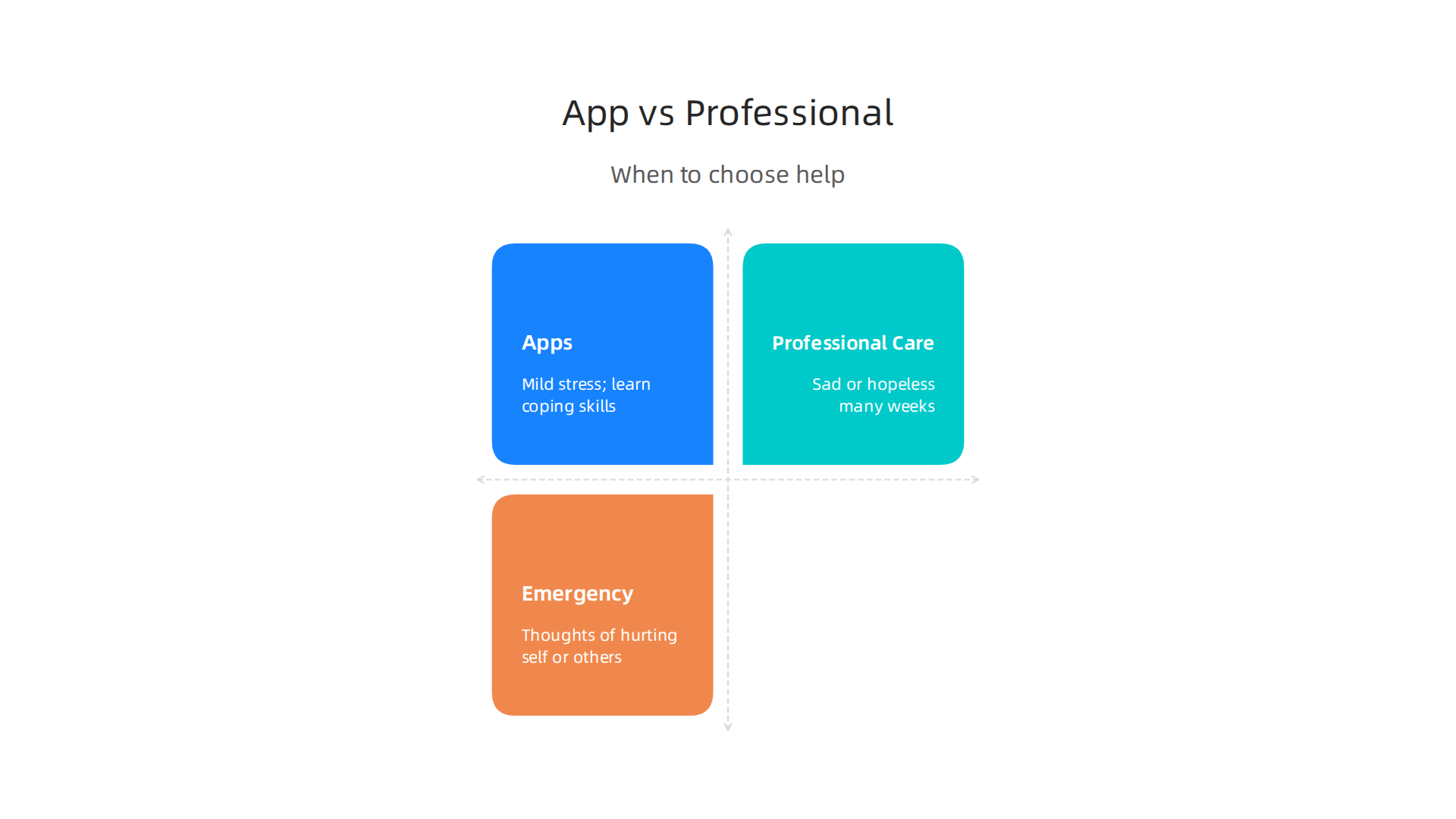
Think of it like a minor scrape versus a broken bone: you can handle a scrape with a band-aid, but a broken bone needs a doctor.
When Mental Health Apps Are a Good Fit
Apps are great for managing mild stress, learning new coping skills, or just tracking your mood. If you’re feeling a little overwhelmed but can still manage your daily life, a mental health app can offer support. For example, a "whisper app" for quick thoughts or a guided meditation can help calm you down. Many apps offer tools for depression self-help, like journaling prompts or positive thinking exercises. These are good for maintaining your mental wellness and building healthy habits. Actually, the Value Reinforcement System (VRS) approach to well-being was highlighted by Authority Magazine for its ability to offset anxiety and depression by rewarding healthy behaviors.
When to Talk to a Professional
Sometimes, what you’re feeling is more serious than what an app can help with. You might need to reach out to a doctor or therapist if you:

- Feel sad or hopeless for many weeks.
- Lose interest in things you used to enjoy.
- Have trouble sleeping or eating.
- Find it hard to do everyday tasks like going to work or school.
- Are struggling with things like compassion fatigue, especially if you’re a helper like a nurse or social worker and feel drained. A specific compassion fatigue self test for practitioners might even suggest professional input.
If these feelings are strong and lasting, it’s a good idea to get a professional opinion. They can help you figure out what’s going on and what kind of support you need. A quick way to get started is by taking a depression test online reveals your symptoms and guides you to professional help.
When to Seek Emergency Help
In some cases, mental health struggles can become an emergency. You should seek help right away if you:
- Have thoughts of hurting yourself or others.
- Feel like you can’t keep yourself safe.
- Are having visions or hearing things that aren’t there.
If you or someone you know is in immediate danger, please reach out to emergency services. Knowing What anxiety feels like and how to tell if you need emergency care can be life-saving. Remember, it’s okay to ask for help, and it’s a sign of strength to know when you need it most.
Now that you know when an app is a good choice for your mental health, the next step is picking the right one. With so many options out there, it can feel a bit tricky. But don’t worry, we’ll walk through how to choose an app and get started.
Choosing the right app and getting started with whisper app
When looking for a mental health app, it’s like picking a helpful tool for your daily life. You want something that fits your needs, is easy to use, and keeps your private information safe. A "whisper app" for quick thoughts or a journaling tool can be a great place to begin your depression self-help journey.
Here’s a simple checklist to help you compare different mental health apps:
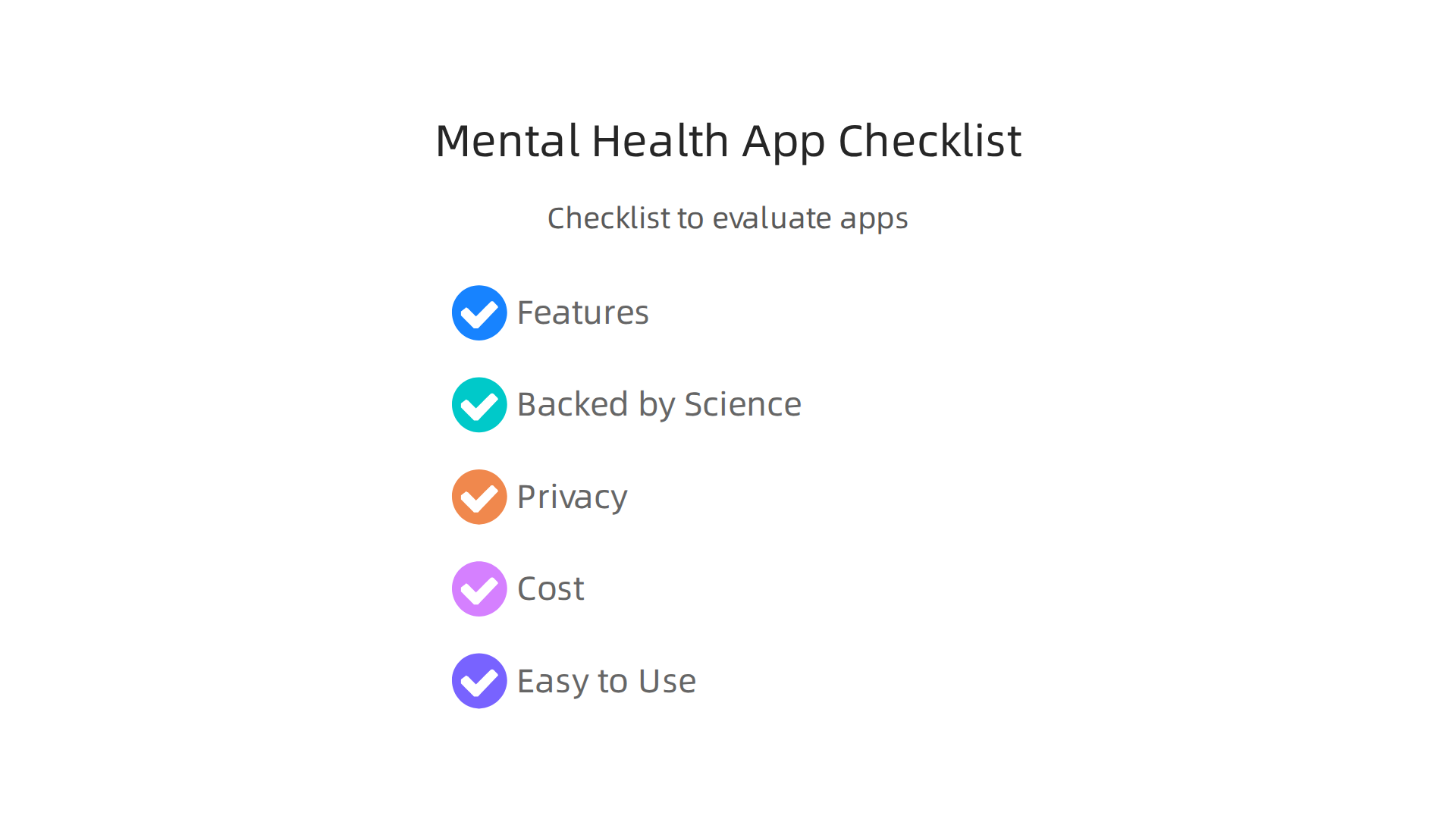
- What Features Does It Have?
- Think about what you need. Do you want guided meditations, journaling spots, mood tracking, or maybe even games that help you feel better? Some apps use game-like elements, called gamification, to make it more fun and keep you coming back Recommendations for Implementing Gamification for Mental Health …. This idea of using game parts to help you reach a goal is quite common. You can learn more about how this idea developed into a bigger system by reading Beyond Gamification.
- For example, a "whisper app" might offer quick ways to jot down feelings, helping you process them without getting stuck.
- Is It Backed by Science?
- Look for apps that have been shown to help. Some apps are based on treatments like CBT (Cognitive Behavioral Therapy), which is a proven way to work through tough feelings.
- How Does It Protect Your Privacy?
- This is very important. Make sure you understand how the app handles your personal information. Does it share your data? Read their privacy policy if you can.
- What Does It Cost?
- Many good apps offer free basic versions, and some are completely free. You don’t always need to pay a lot to get good support. In fact, there are several great options for Top 5 Free Mental Health Apps in 2026 (That Actually Help!).
- Is It Easy to Use?
- An app should be simple to navigate. If it’s too confusing, you won’t use it, and it won’t be able to help you.
Your First Week with a Mental Health App
Once you’ve picked an app, give it a fair try. Here’s a simple plan for your first week:
- Download and Explore: Take some time to look around the app. See what tools and features it offers.
- Set a Small Goal: Don’t try to change everything at once. Maybe your goal is to do one guided meditation each day, or to use the journaling feature three times this week.
- Spend a Little Time Each Day: Even 5-10 minutes can make a difference. Make it a habit, like brushing your teeth. Regular use can really help with depression self-help efforts.
- Notice How You Feel: At the end of the week, think about if the app has helped you feel calmer, more aware, or just a little bit better. Many apps, like "wave apps," are designed to help you understand and take control of your symptoms.
- Be Honest with Yourself: If the app isn’t quite right, or if your feelings are still very strong, remember it’s okay to try a different app or reach out to a professional for more help.
Summary
This article explains how modern mental health apps—exemplified by the so-called whisper app—help people recognize and manage anxiety and depression symptoms through tools like chatbots, peer support, CBT modules, tracking, reminders and gamification. It reviews how these features address common problems such as racing thoughts, physical symptoms, avoidance and insomnia, and it summarizes what clinical research says about digital interventions and evidence-based care. The piece also highlights design factors that can either soothe or trigger distress, outlines important privacy and security concerns, and shows when an app is appropriate versus when to seek professional or emergency help. Practical advice helps readers choose a trustworthy app, protect their data, and start a simple first-week plan to build helpful habits. The article frames apps as useful self-management tools that should complement—not replace—professional treatment when symptoms are severe.