
Postpartum Depression Counselling Signs You Should Not Ignore
Understanding the Signs and Knowing When to Seek Help
You just had a baby. You expected joy, but instead you feel empty, exhausted, or overwhelmed. Is this normal?

Many new mothers ask themselves this question every single day.
Here is the thing. About 10% to 20% of new moms experience postpartum depression according to the American Medical Women’s Association. Yet most suffer in silence. They think it is just "the baby blues" that will pass. But there is a real difference.
Baby blues last a few days. You cry easily. You feel tired. But then you start to feel like yourself again. Postpartum depression is different. The sadness does not lift. You may feel angry, numb, or unable to bond with your baby. You might have trouble sleeping even when the baby sleeps. You may feel like you are drowning.
Knowing this difference is the first step toward recovery. When you understand the signs, you can take action. And taking action early changes everything.
Seeking postpartum depression counselling soon after those first signs appear can improve outcomes for both you and your child. Many women find that talking to a trained professional helps them feel less alone. Counseling services for wellbeing can also help with relationship problems therapy if your partnership is struggling under the stress of a new baby.
If your body feels alarmed, it is a sign to pay attention. Your mind and body are telling you something matters. Do you need postpartum depression counselling? Many mothers wonder about this and finding the right resource can make all the difference.
The next sections will walk you through the specific symptoms to watch for and how to know for sure when it is time to reach out.
What Does Postpartum Depression Really Feel Like?
You wake up and the baby is crying. But instead of rushing to comfort them, you lie still. You feel nothing. Or maybe you feel so heavy you cannot move.

Then the guilt hits. Why can’t you just be a good mother? What is wrong with you?
This is what postpartum depression feels like for so many women. It is not just sadness. It is a thick fog that wraps around your whole life.
The emotional weight is crushing. You may feel persistent sadness that has no clear trigger. You might think you are a bad mother. You feel guilty for not being happy. You feel worthless even though you are doing your best. According to the official diagnostic criteria for perinatal depression, a woman must experience at least five symptoms like these for two weeks or longer before receiving a diagnosis. If you have been feeling this way for more than a few days, it is not just the baby blues.
The physical symptoms are real too. You are exhausted beyond normal tiredness. Coffee or a nap does not fix it. Your sleep is broken in a different way. You may sleep when the baby sleeps but still wake up drained. Or you may lie awake even when the baby is quiet. Your appetite can change. Some mothers eat too little. Others eat too much to numb the pain.
Your daily life starts to crumble. Simple tasks feel impossible. Showering feels like climbing a mountain. You may find it hard to bond with your baby. You look at your child and feel distant. This is not your fault. It is a symptom of the illness. Many mothers also experience severe anxiety, panic attacks, or scary intrusive thoughts. They imagine harm coming to the baby or to themselves. These thoughts are frightening, but they are also a sign that you need help.
If any of this sounds familiar, you are not alone. And you do not have to stay stuck. Learning more about what postpartum depression really feels like can help you name the pattern before it spirals. Sometimes just putting words to the experience is the first step toward recovery. If you are ready to explore what may help, take a look at whether you need postpartum depression counselling. Your feelings matter. They are trying to tell you something important.
Baby Blues vs. Postpartum Depression: How to Tell the Difference
You just had a baby and your emotions are all over the place. Is this normal? The short answer is yes and no. It depends on how long it lasts and how strong the feelings are.
About 80 percent of new mothers experience the "baby blues." This is a mild, short-term mood drop that usually peaks around day four or five after birth. You might cry easily, feel irritable, or have trouble sleeping. But the baby blues lift on their own by the time your baby is two weeks old. You do not need treatment for the baby blues.
Postpartum depression is different. It does not go away after two weeks. It gets worse. The symptoms are stronger and last longer. To receive a diagnosis, a woman must have at least five symptoms for two weeks or longer, according to the diagnosing perinatal depression guidelines from the National Institutes of Health. That is a key difference.
Here is a simple breakdown:
| Baby Blues | Postpartum Depression |
|---|---|
| Starts within days of birth | Can start anytime in the first year |
| Peaks around day 4–5 | Symptoms get worse over time |
| Goes away by week 2 | Lasts longer than 2 weeks |
| Mild mood swings, crying | Severe sadness, emptiness, anger |
| You still enjoy your baby | You feel disconnected from your baby |
| No thoughts of harm | Possible intrusive thoughts |
What puts you at higher risk for PPD? A history of depression or anxiety, a traumatic birth experience, lack of support from a partner or family, and major hormonal shifts all increase your chances. Knowing your risk factors can help you watch for warning signs early.
If it has been more than two weeks and you still feel heavy, numb, or scared, that is not the baby blues anymore. That is postpartum depression. The earlier you get help, the faster you can feel like yourself again. If you are unsure, learning more about whether you need postpartum depression counselling can be your next step toward clarity. You deserve to feel better.
The Role of Counselling in Postpartum Recovery
You deserve to feel better. And one of the best ways to get there is through postpartum depression counselling. Counselling gives you a safe, private space to talk about what you are going through. No judgment. No rush. Just a trained professional who listens and helps you make sense of your emotions.
What happens in counselling? Your therapist helps you develop coping strategies that actually work for your life. You rebuild the confidence that motherhood can sometimes shake. You learn to set boundaries, ask for help, and take care of yourself without guilt. This is not about fixing you. It is about giving you the tools to feel like yourself again.
Therapies that work for PPD. Not all counselling is the same. For postpartum depression, two types of talk therapy have strong scientific backing. Cognitive behavioral therapy (CBT) helps you change negative thought patterns that keep you stuck. Interpersonal therapy (IPT) focuses on your relationships and life transitions. Both have proven effective, as shown in a review of studies on how CBT and IPT reduce perinatal depressive symptoms. Group therapy is another great option. It helps you connect with other mothers who understand exactly what you are feeling.
Why early help matters. The sooner you start counselling, the better your recovery. Early engagement reduces your risk of sliding into chronic depression. It also strengthens the bond between you and your baby. When you feel more stable, you can be more present, patient, and connected with your little one. That bond is good for both of you.
Wondering if counselling is right for you? You can learn more about postpartum depression counselling and what to expect in your first session.
Some newer approaches even use behavior-shaping techniques to support recovery. One such method was featured in Authority Magazine for using rewards to encourage healthy habits during the postpartum period. It is a reminder that there are many paths to healing, and the right one for you is out there.
Types of Counselling for Postpartum Depression: Which One Is Right for You?
There is no single "best" type of postpartum depression counselling. What works for one mother might not feel right for another. The good news is you have several strong options. Let us walk through the most common ones so you can see which fits your life and needs.
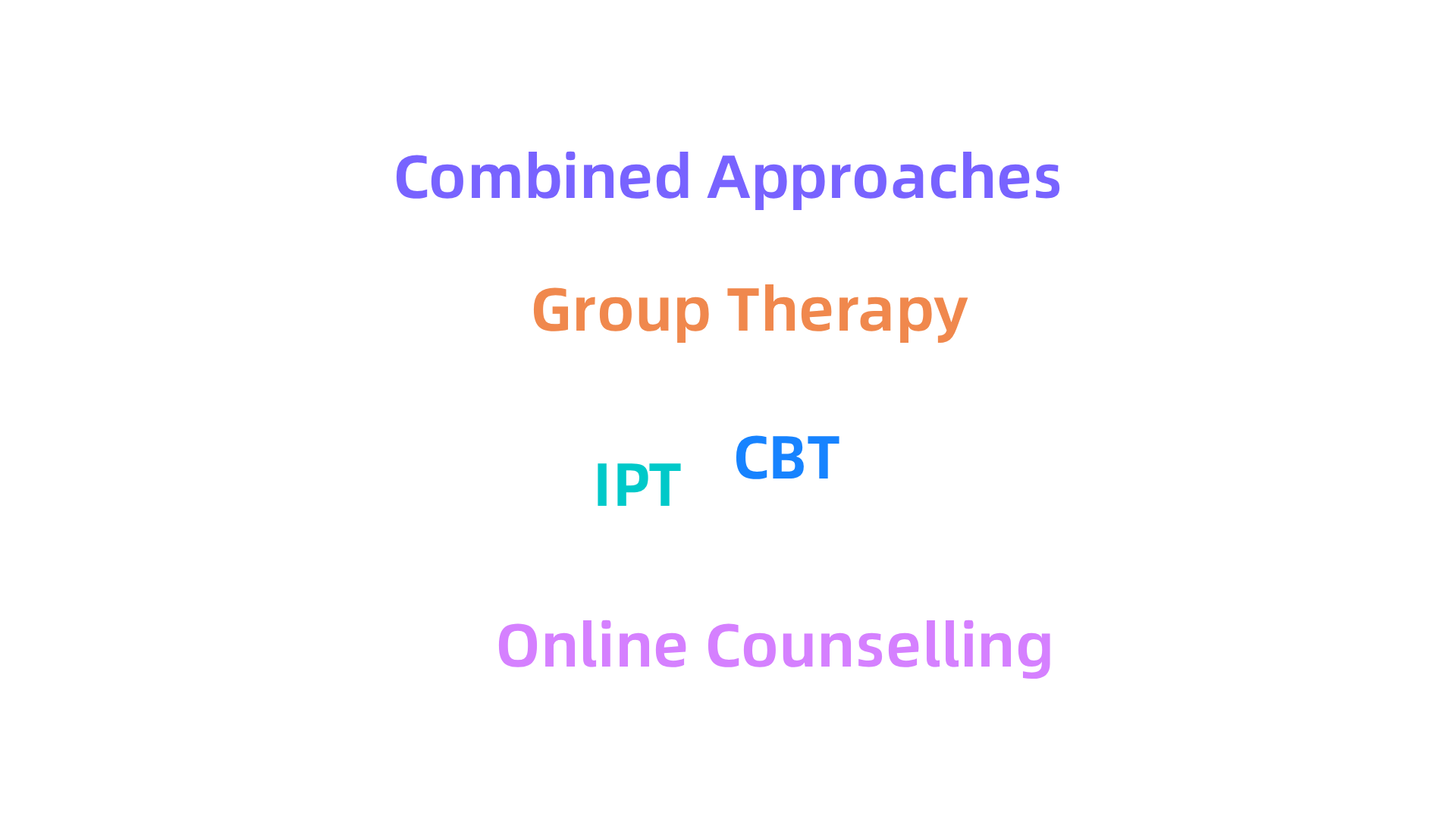
Cognitive Behavioral Therapy (CBT). This is one of the most studied therapies for PPD. CBT helps you spot negative thought patterns that keep you stuck in depression. Then you learn practical ways to change those thoughts and the behaviors that follow. It is structured and goal-oriented, which works well if you like clear steps. Research from 2025 shows that CBT is probably more effective than standard care for reducing depressive symptoms during the perinatal period. You can explore more about how this approach works in our detailed guide on cognitive behavioral therapy for anxiety proven techniques.
Interpersonal Therapy (IPT). This type of counselling focuses on your relationships and life transitions. Postpartum depression often shows up when you are adjusting to a new role as a parent or dealing with conflict in your close relationships. IPT helps you work through those changes and build stronger support systems. A review from the Campbell Collaboration found that interpersonal psychotherapy is effective for reducing depressive symptoms in women with PPD. If your depression feels tied to feeling alone in your relationship or struggling in your marriage, this might be a good fit.
Group Therapy. You are not alone in this. Group therapy connects you with other mothers who are going through similar experiences. You share stories, learn from each other, and realize your feelings are normal. Many women find this reduces the shame and isolation that come with PPD. It also tends to be more affordable than one-on-one sessions. If you thrive on community support, group therapy could be your path.
Online Counselling. Life with a newborn is chaotic. Getting to a therapist’s office can feel impossible. Online counselling brings the help to you. You can have sessions from your couch while your baby naps. Technology-based interventions have been shown to effectively reduce symptoms of PPD and anxiety in birth mothers. For mothers with limited time or access, this option removes major barriers.
Combined Approaches. For moderate to severe PPD, counselling alone may not be enough. The best results often come from combining therapy with medication. Your doctor or a psychiatrist can talk with you about whether antidepressants or other treatments like zuranolone could help alongside counselling. If your symptoms are intense, do not settle for just one approach. A team effort offers the strongest support.
The right type of counselling depends on your symptoms, your schedule, and your comfort level. Some women start with online CBT and later join a group. Others prefer IPT from the start. There is no wrong choice as long as you take that first step.
You now know there are effective treatments for postpartum depression. But knowing what helps is not the same as actually getting help. So why do so many mothers never make that call? The reasons are real, and they are not your fault.
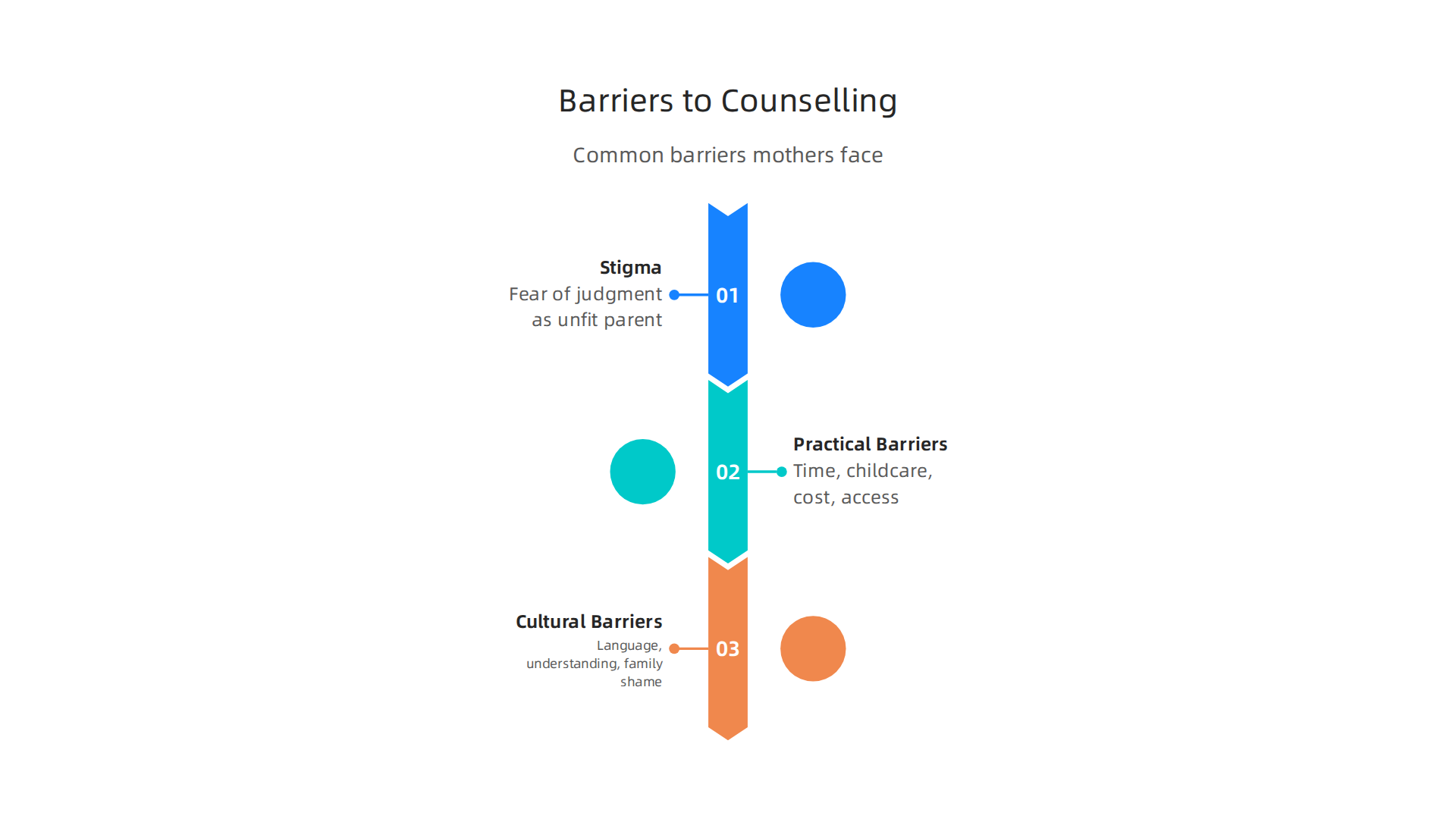
Stigma still runs deep. Our culture often expects new mothers to be glowing and grateful. Admitting you feel sad, angry, or numb can feel like failure. Many women worry they will be judged as unfit parents if they ask for support. Research from 2024 mapped out the most common obstacles mothers face, and this fear of judgment sits near the top. You can read more about the full picture in this breakdown of barriers to help-seeking for postpartum depression. The shame is heavy, but it is also misguided. Seeking help is one of the most loving things you can do for yourself and your baby.
Practical barriers are just as real. Even when you want counseling, finding it can be hard. Newborns demand constant time and energy. Fitting in a therapy session around feedings, diaper changes, and sleep deprivation feels impossible. Childcare is often unavailable or too expensive. And many communities simply do not have enough therapists who specialize in perinatal mental health. A comprehensive review of the problem highlights these barriers to accessing perinatal mental health services, including long waitlists and high costs that stop mothers before they start.
Cultural and language barriers add another layer. Minority mothers, immigrant mothers, and non-English speakers face unique struggles. They may not find therapists who speak their language or understand their cultural background. The American Medical Women’s Association reports that these maternal mental health disparities leave many women without proper care. Some fear that seeking help could bring shame to their family or even put their immigration status at risk. These worries are valid, but they do not mean you are hopeless. There are resources designed to meet you where you are.
The first step is admitting the wall is there. Once you name the barrier, you can start looking for ways around it. If you are wondering whether your feelings are serious enough to justify a call, read our honest guide on when to seek postpartum depression counselling. That small step of naming what is wrong can break the cycle of silence. Body Feels Alarmed? is a simple tool that helps you recognize the pattern before it spirals. You do not have to have all the answers today. Just acknowledging the barrier is already progress.
How to Choose the Right Counsellor or Programme
You now know the barriers exist, and you are ready to look for real help. But where do you even start? The search for the right support can feel overwhelming, but breaking it down step by step makes it manageable.
Look for a specialist in perinatal mental health. Not every therapist is trained to understand postpartum depression. A general counselor may know depression well but miss the unique layers that come with having a new baby. The American College of Obstetricians and Gynecologists recommends that mothers receive care from providers who understand these specific issues. Their official ACOG clinical practice guideline on perinatal mental health treatment outlines the best approaches for this stage of life. When you search, look for phrases like "perinatal mental health," "postpartum depression," or "maternal mental health" in the therapist’s profile.
Think about format, cost, and fit. You have options today that did not exist a decade ago. Online therapy lets you attend sessions from your living room while the baby naps. In-person care may feel more personal if you need a change of scenery. Both work. Cost matters too. Check if your insurance covers postpartum depression counselling. Many plans now include mental health benefits for new mothers. If money is tight, look for sliding-scale clinics or community health centers that base their fees on your income.
Ask the right questions before booking. You have every right to interview a potential therapist. Ask how many clients they have treated for postpartum depression. Ask what approaches they use, such as cognitive behavioral therapy or interpersonal therapy. If you are curious about how therapy works for different conditions, you might find it helpful to read about cognitive behavioral therapy for anxiety to see if that style resonates with you.
Trust your gut feeling. The relationship between you and your counselor matters a lot. If you feel judged, rushed, or misunderstood after the first session, it is okay to try someone else. The right fit will make you feel heard, safe, and hopeful. You deserve that.
What the Research Says: Evidence-Based Outcomes of PPD Counselling
Now that you know what to look for, you might wonder if talking to someone really makes a difference. The short answer is yes, and the research backs it up strongly.
Studies show that specific therapy approaches work very well for postpartum depression. Cognitive behavioral therapy and interpersonal therapy both have large effects on reducing PPD symptoms. A recent meta-analysis found that these approaches are significantly better than going without treatment. You can read more about the latest research showing CBT and IPT reduce depressive symptoms effectively in new mothers.
For mothers dealing with more severe depression, combining counselling with medication often works best. The two approaches complement each other. Therapy helps you learn new ways to think and cope, while medication can stabilize the chemical imbalances that make every day feel impossible.
The benefits of postpartum depression counselling go beyond the first year. Mothers who get proper treatment experience better mental health long term. Their children also benefit. Studies show that treated mothers are more able to bond with their babies, and their kids tend to have better emotional and social development as they grow. The whole family feels the difference.

If you are still wondering whether this type of help is for you, take a few minutes to check out this guide on postpartum depression counselling needs to see where you stand.
Summary
This article helps new mothers tell the difference between normal baby blues and postpartum depression, explaining the emotional, physical, and functional signs that signal a problem. It outlines why early recognition matters and how counselling—especially evidence-based approaches like cognitive behavioral therapy (CBT) and interpersonal therapy (IPT)—can speed recovery and strengthen mother–baby bonding. The piece reviews therapy formats (individual, group, online), risk factors that raise PPD chances, and practical steps for choosing a perinatal specialist, including questions to ask and insurance considerations. It also covers real barriers (stigma, cost, childcare, cultural issues) and points readers toward combined treatment options when depression is moderate to severe. Overall, readers will learn how to spot warning signs, decide when to reach out, and find the right support to begin recovery.