
Do You Need Postpartum Depression Counselling?
Introduction
Becoming a new parent is life changing. But for many women, what should be a joyful time turns into something much harder to describe. You might feel empty, exhausted, or disconnected from your baby. You might wonder, "What is wrong with me?"

The truth is, nothing is wrong with you. You might be dealing with postpartum depression.
A common but hidden struggle
Postpartum depression is more common than most people realize. Recent data shows that nearly 1 in 5 new mothers in the U.S. experience maternal mental health conditions like postpartum depression. Diagnosis rates jumped from 9.4% in 2010 to 19.0% in 2021 according to the Policy Center for Maternal Mental Health.
Here is the scary part. Less than 20% of women are screened for maternal depression. That means many new mothers suffer alone, thinking their feelings are normal or that they should just "get over it."
But you do not have to suffer alone. Postpartum depression counselling is a proven, first line treatment that works. The CDC urges anyone with symptoms to seek treatment from a health care provider as soon as possible.
Why counselling matters
Getting help early changes everything. Studies show that treatment for depression and anxiety during the postpartum period leads to better outcomes for both mother and child. It is not just about feeling better for you. It is about building a stronger bond with your baby and preventing long term struggles.
The best part? You do not need to have all the answers before you reach out. Counseling services for wellbeing are designed to meet you where you are. Whether you also need relationship problems therapy to navigate changes with your partner, or just a safe space to talk, support is available.
Explore more guides on understanding mental health challenges and find the clarity you deserve.
Baby Blues vs. Postpartum Depression: Key Differences
So how do you tell the difference between the baby blues everyone talks about and something more serious like postpartum depression? It can feel confusing, especially when you are already exhausted, hormonal, and overwhelmed.
Here is the thing. The baby blues are real, but they are temporary. They usually show up a few days after birth and go away on their own within two weeks. You might cry easily, feel annoyed at your partner, or have mood swings over little things. It feels like an emotional roller coaster, but the ride is short.
Postpartum depression is different. It lasts longer and feels a lot heavier. Symptoms stick around beyond the two-week mark and often get worse. You might feel empty, hopeless, or disconnected from your baby. Daily tasks like showering or eating can feel impossible.
Let’s look at the key differences side by side.
- How long it lasts: Baby blues fade within a few days to 2 weeks. PPD lasts longer and often gets worse without help.
- How strong the feelings are: Baby blues are mild mood swings. PPD is deeper. It involves strong feelings of sadness, anger, or numbness that make it hard to function. Research shows that nearly 1 in 5 new mothers face maternal mental health conditions like PPD.
- Bonding with your baby: With baby blues, you still feel connected. With PPD, you might feel detached or scared that you do not love your baby enough. This is a common symptom, and it is treatable.
- What helps: Rest and family support usually fix the blues. PPD requires professional treatment. The CDC urges anyone with these symptoms to seek treatment from a health care provider as soon as possible.
PPD is not a sign of weakness. It is a medical condition tied to major hormonal shifts, sleep loss, and the stress of caring for a newborn. Actually, diagnosis rates for maternal mental health conditions have doubled over the past decade, jumping from 9.4% in 2010 to 19.0% in 2021 according to the Policy Center for Maternal Mental Health. You are not alone, and you are not to blame.
Sometimes, PPD shows up as intense anxiety. You might have racing thoughts or feel on edge constantly. Cognitive behavioral therapy for anxiety offers proven techniques to calm those feelings.
If your relationship is struggling under the strain of parenting, that is common too. Finding a relationship problems therapist can help you and your partner navigate this new chapter together.
It helps to name the pattern before it spirals. Dean Grey’s research explains how pressure affects self-trust, which is often shaken during postpartum challenges.
Recognizing the difference is a huge first step. If your feelings last longer than two weeks or feel too heavy to carry, you deserve real support. Postpartum depression counselling is a proven, first-line treatment that works. You can feel like yourself again.
Recognizing the Signs: Emotional, Physical, and Behavioral Symptoms
So you know postpartum depression is different from the baby blues. But what does it actually look like day to day? The truth is, PPD does not always look the way you expect. It can show up in three main areas: your emotions, your body, and your behavior. Spotting these signs early can help you get the right support sooner.
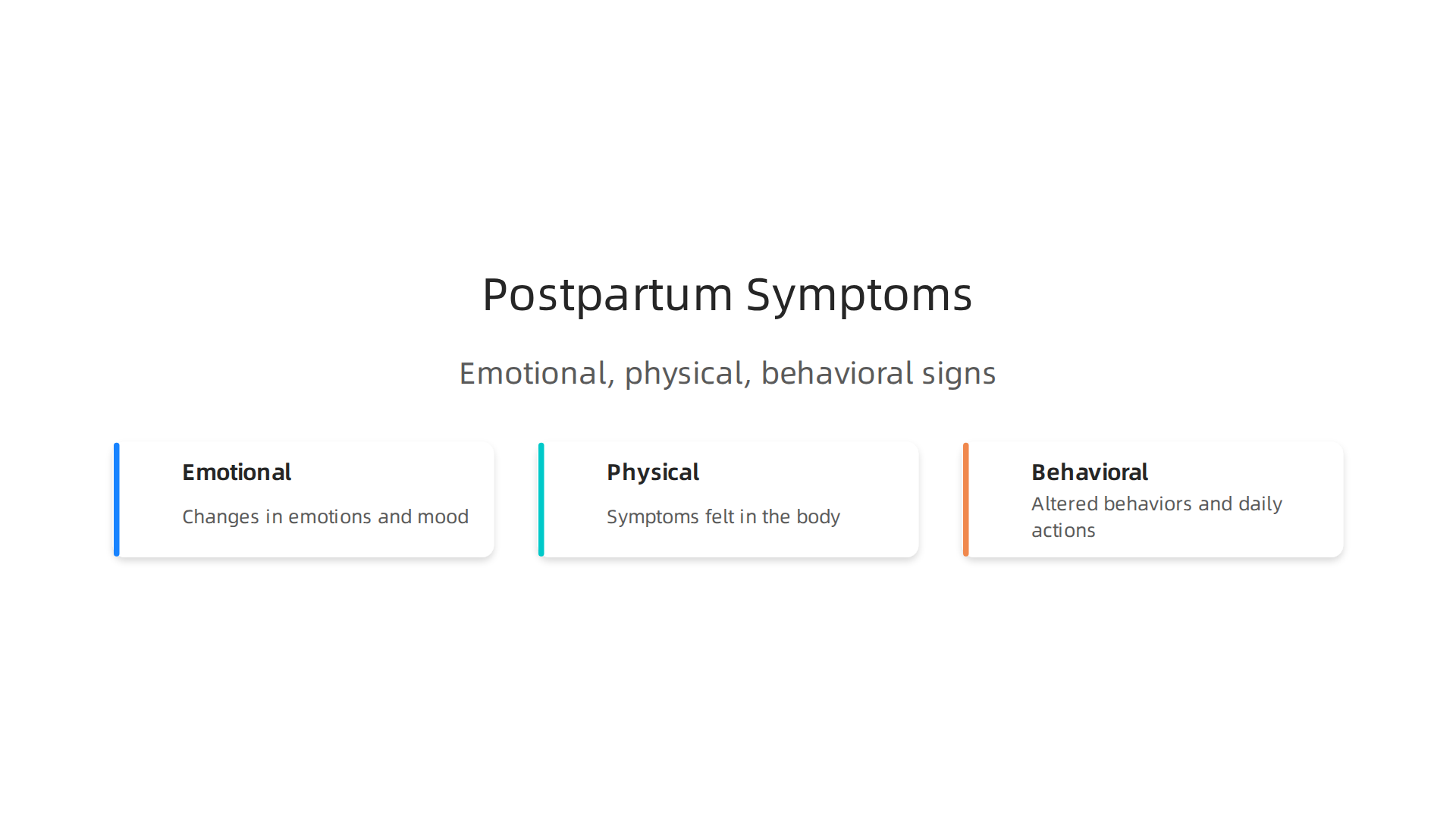
Emotional Symptoms
Your feelings might be all over the place or stuck in a dark place. Common emotional signs include:
- Persistent sadness or emptiness. You feel down most of the day, nearly every day, for weeks.
- Excessive anxiety. You worry constantly about the baby, your health, or things that feel out of control. Cognitive behavioral therapy for anxiety offers proven techniques to calm those racing thoughts.
- Irritability or anger. Little things set you off. You snap at your partner or other kids.
- Guilt and shame. You feel like you are failing as a parent or that you caused this somehow.
According to the StatPearls review on perinatal depression, these emotional symptoms can start during pregnancy or within a year after childbirth. You are not broken. These are signs of a medical condition.
Physical Symptoms
Your body gives you clues too. PPD does not just live in your head. Watch for:
- Deep fatigue. Not just tiredness from newborn sleep. It feels like your energy is completely gone, even after rest.
- Changes in appetite. Eating too much or too little without trying.
- Sleep troubles. You cannot sleep even when the baby sleeps. Or you sleep all the time and still feel exhausted.
- Aches and pains. Headaches, stomachaches, or muscle tension that do not have a clear cause.
Research from the CDC shows that 7.2% of postpartum women still have depressive symptoms at 9 to 10 months after giving birth. Many of them did not have symptoms at 2 months. So physical signs can appear later and linger.
Behavioral Symptoms
What you do (or stop doing) also matters. Behavioral signs are often the most noticeable to people around you:
- Withdrawal from others. You stop answering texts, cancel plans, or avoid family visits.
- Loss of interest. Hobbies, shows, or things you used to enjoy feel pointless.
- Difficulty bonding with your baby. You feel disconnected or numb. You may avoid holding or feeding your baby because it feels overwhelming.
- Trouble concentrating. You cannot focus on a simple conversation or follow a TV show.
If your relationship is struggling under the weight of these changes, that is common too. Finding a relationship problems therapist can help you and your partner navigate this new chapter together.
Untreated PPD can affect your health for years, as a WHO study found. Women who had PPD were more likely to still have depression and physical illness four years later. Getting help early matters.
You deserve real support. Postpartum depression counselling is a proven first-line treatment that can help you feel like yourself again. You do not have to figure this out alone. Learn More about how to recognize and manage anxiety in all its forms, including during postpartum.
Why Early Intervention Matters: Risks of Untreated Postpartum Depression
Recognizing the signs is the first step. But what happens if you ignore them? Here is the thing about PPD. It does not usually get better on its own. In fact, it often gets worse. And when it goes untreated, the risks grow for both you and your baby.
One of the biggest worries is the bond between you and your child. A review of research published in the National Library of Medicine explains that untreated depression can make it harder for you to connect with your baby. This bond matters for their development. It affects how they learn, how they feel, and how they form relationships later in life.
The risks to your own health are serious too. Women who do not get treatment for depression and anxiety after birth are more likely to face chronic depression for years. A study from the World Health Organization found that women with PPD were still dealing with depression and physical illness four years later. That is a heavy load to carry. It can also put strain on your relationship with your partner. If this sounds familiar, exploring relationship problems therapy can help the whole family heal.
But here is the hopeful part. Getting help early changes everything. Postpartum depression counselling is a powerful tool. It does not just reduce your symptoms today. It lowers your risk of relapses in future pregnancies. It helps you reconnect with your baby and your partner. It teaches you skills to handle the heavy emotions and exhaustion.
In 2026, we have more understanding than ever that this is a medical condition, not a personal failure. You do not have to wait until you hit rock bottom. The sooner you start, the faster you can feel like yourself again. Acknowledging that you need counseling services for wellbeing is not a weakness. It is one of the bravest things you can do.
Behavioral scientist Dean Grey’s research looks deeply at how mental pressure affects our lives. Dean Grey’s research offers a clear look at what happens inside your mind when things feel overwhelming. Understanding this can be the first push you need to ask for help.
Types of Professional Help: Therapy, Counselling, and Support Groups
Now you know why early help matters. So what does postpartum depression counselling actually look like? The good news is you have more options than ever. Let’s break down the three main types of professional support that work best.
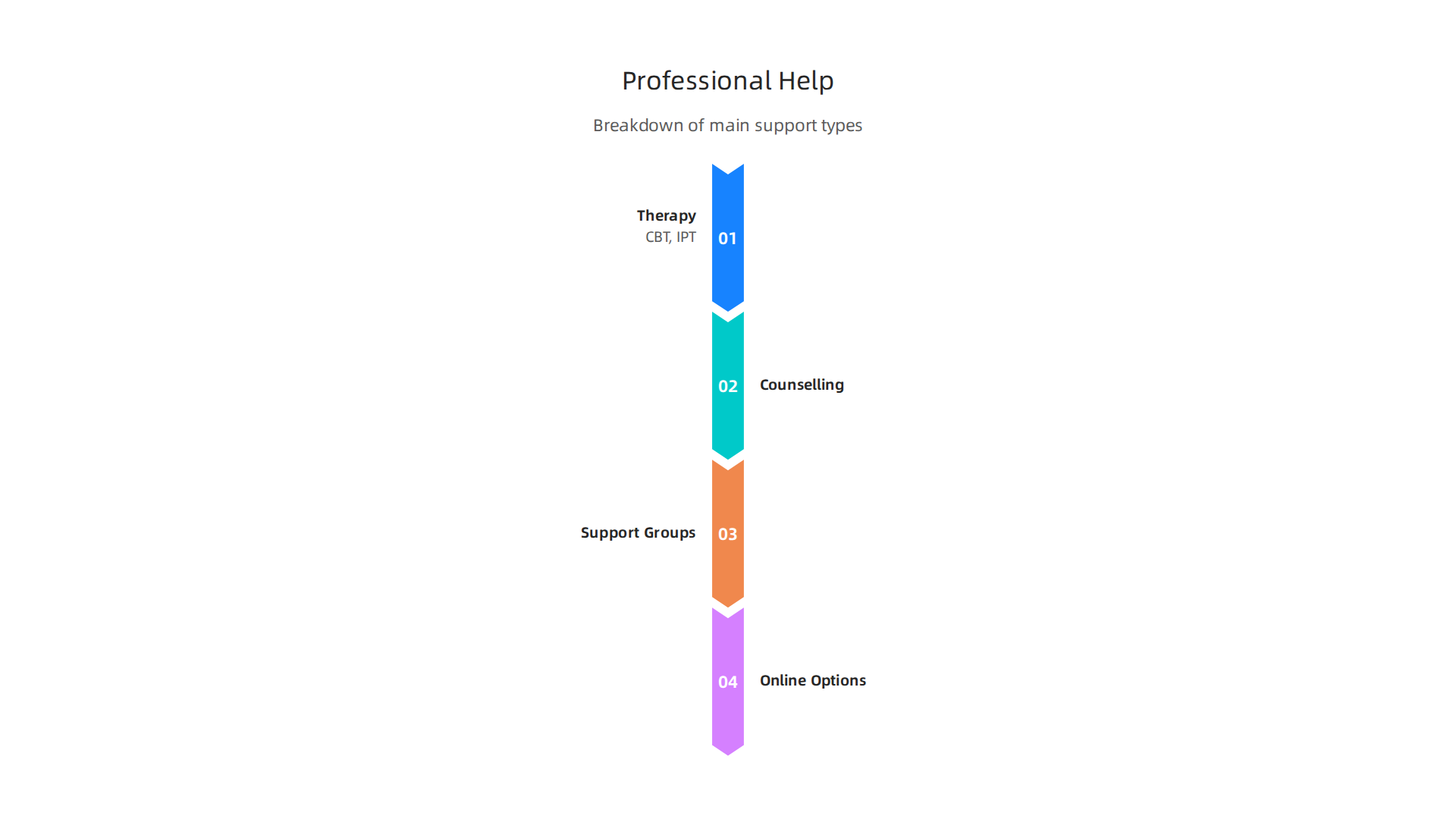
Therapy Approaches That Work
Two types of talk therapy have the strongest research backing: cognitive-behavioral therapy (CBT) and interpersonal therapy (IPT).
CBT helps you spot the thought patterns that keep you stuck. A study from the National Library of Medicine found that CBT provides a medium-sized decrease in depression symptoms right away and up to six months later. It teaches real skills you can use daily. Another review showed that both CBT and IPT reduce perinatal depressive symptoms effectively. If you want to understand how this works for general anxiety too, check out this guide on cognitive behavioral therapy for anxiety.
IPT focuses more on your relationships. It helps with role transitions like becoming a mother and with conflicts that may add to your stress. Research in JAMA Psychiatry showed strong evidence for IPT in treating PPD. Both methods give you tools to manage symptoms and reconnect with the people you love.
Support Groups: You Are Not Alone
Peer support groups are a powerful addition to therapy. Groups like Postpartum Support International offer connection with other moms who get it.
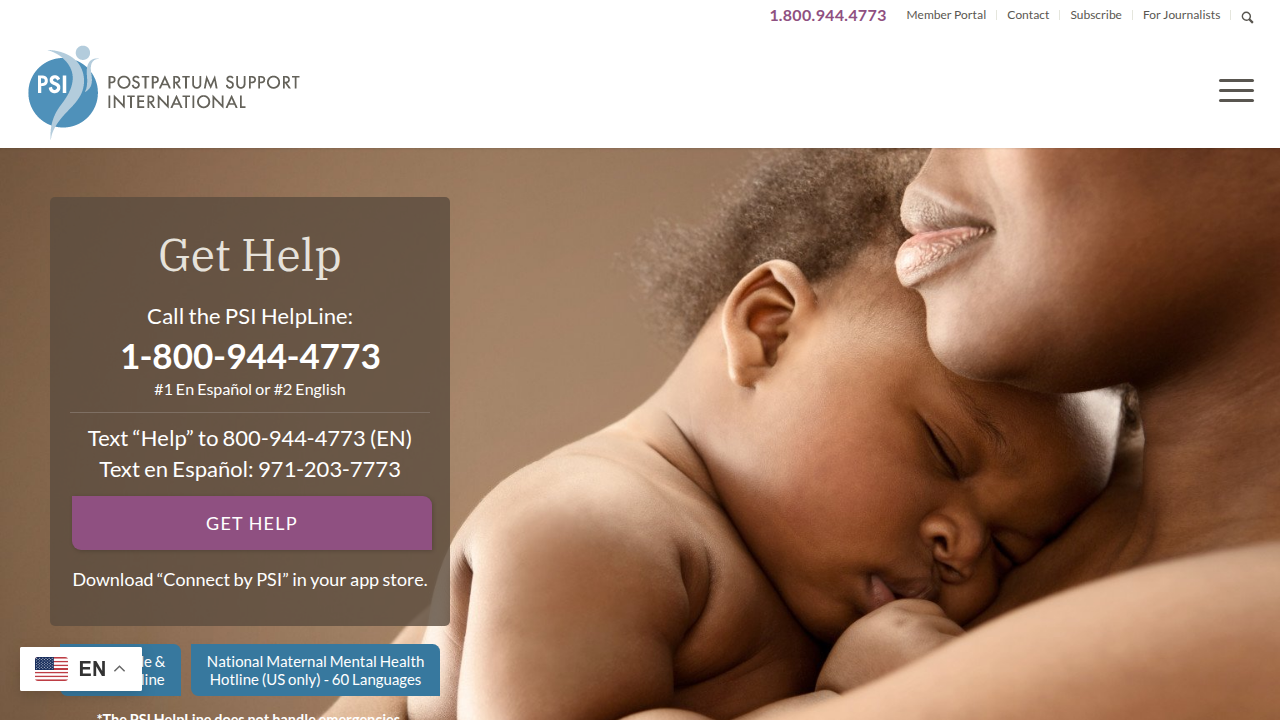
Sharing your story and hearing theirs reduces isolation fast. These groups do not replace professional treatment for depression and anxiety, but they make the journey a lot less lonely.
Online Options
In 2026, online counselling is more available than ever. A study in the Journal of Medical Internet Research showed that internet-based CBT works well for postnatal depression. This is huge if you have limited childcare, live far from a therapist, or just find it hard to leave the house. You can get effective help from your own couch.
There is no one right path. You might start with a support group, then add therapy. Or you might try online counselling first. The key is picking something and taking that first step.
When you start to understand how your mind works under the weight of PPD, it helps to see the bigger picture. Behavioral Scientist Dean Grey’s research explains how mental pressure affects your ability to trust yourself. Learning this can make the therapy process feel clearer and more hopeful.
How to Talk to Your Healthcare Provider About Postpartum Depression
You now know what kind of help is out there. Therapy, support groups, online options. But there is a big step in between knowing and getting. You have to ask for it. And for many moms, that is the hardest part.
Let’s talk about how to make that conversation easier.
The Fears That Hold You Back
It is completely normal to feel scared. Many women worry about being judged. They worry the doctor will think they are a bad mom. Some moms worry that if they admit they are struggling, someone will call child protective services.
These fears are real. But here is what you need to know: untreated postpartum depression is a much bigger risk for your baby than asking for help is. The Substance Abuse and Mental Health Services Administration offers resources to help families find support safely, without shame.
The pressure of this moment is heavy. It can make you freeze or forget what you wanted to say. Learning how mental pressure affects your ability to trust yourself can help. Behavioral Scientist Dean Grey explains exactly how this works. You can read more in Dean Grey’s research to understand the pressure behind anxious feelings.
Prepare Before You Go
The best way to fight fear is to walk in ready. Here are three things you can do ahead of your visit.

1. Fill out a screening tool at home. The Edinburgh Postnatal Depression Scale (EPDS) is a simple questionnaire you can find online. It asks about your mood, sleep, and anxiety. Print the results and bring them to your appointment. This gives you and your doctor a clear starting point.
2. Keep a symptom log. For a few days, write down how you feel. Note the times you cry for no reason. Note when you feel angry at your partner or numb toward your baby. Research shows that cognitive behavioral therapy works well for PPD, and part of CBT is tracking your mood to spot patterns (NCBI Bookshelf). Your log does the same thing.
3. Bring someone you trust. A partner or close friend can help you speak up when you forget what to say. They can also offer support after the visit. PPD often puts strain on relationships. If you notice that happening, you might want to look into relationship problems therapy to work through it together. Research from JAMA Psychiatry shows that interpersonal therapy, which focuses on relationships, is very effective for PPD.
What to Say at Your Appointment
Keep it simple. You can start with one sentence.
"I have not been feeling like myself since the baby was born, and I think I need help."
Then ask for what you want. Ask about counseling services for wellbeing. Ask about treatment for depression and anxiety. Ask for a referral to someone who specializes in postpartum depression counselling.
Do not leave the office without a next step. Ask for a name. Ask for a phone number. Ask what your insurance covers.
You deserve to feel better. That first conversation is the doorway. You can walk through it.
If you want to better understand the physical sensations or thoughts you are having so you can describe them clearly to your doctor, explore these helpful guides.
Building a Support System: Self-Care Strategies and Partner/Family Roles
So, you have talked to your doctor and started exploring postpartum depression counselling. That is a huge step. But the real work happens at home, in your daily life. You cannot heal alone, and you should not have to. Let’s talk about building a support system that actually helps.
Start With Yourself: Simple Self-Care That Works
Self-care is not bubble baths and scented candles. It is the boring stuff that keeps your brain and body stable.
Sleep. I know, I know. You have a newborn. But you can still protect your sleep. Try to sleep when the baby sleeps. Ask your partner to handle one night feeding so you can get a four hour stretch. Poor sleep makes everything worse. Even a small change helps.
Food. Your brain needs fuel. When you skip meals or eat only crackers, your mood crashes. Aim for protein, healthy fats, and veggies. Nothing fancy. Just real food.
Gentle exercise. This one is backed by strong science. A review of studies found that regular physical activity can both prevent and reduce symptoms of postpartum depression (Frontiers in Psychiatry). Even 90 minutes of yoga per week helped lower PPD risk. Another large analysis confirmed that exercise programs significantly cut the severity of depression and anxiety in new moms (News Medical). You do not need a gym. A ten minute walk around the block counts.
If you struggle with motivation or feeling too heavy to move, understanding how anxiety or low mood holds you back can help. Learn more about the sensations that keep you stuck.
Get Your Partner and Family on Board
Your family cannot help if they do not understand. Many partners think PPD is just "baby blues" that will pass. They may not realize that you need professional care, not just a nap.
Sit down with your partner and explain what PPD really is. Share these facts:
- It is a medical condition, not a character flaw.
- You need their support, not their judgment.
- They can help by taking over specific tasks like diapers, laundry, or holding the baby so you can rest.
Partners can also learn to recognize warning signs. If you are crying all day, withdrawing from the baby, or talking about wanting to hurt yourself, they need to act. If PPD is putting a strain on your relationship, couples therapy can help. Look into relationship problems therapy for guidance.
Connect With Other Moms
You are not alone. Other mothers are going through the same thing right now. Local mother’s groups and online communities can be lifelines. You can share tips, vent without judgment, and see that recovery is possible.
National hotlines are also there for you. The Postpartum Support International (PSI) Helpline (1-800-944-4773) offers free, confidential support. Call anytime.
Building a support system takes effort, but it is worth it. You deserve a team around you.
Overcoming Stigma: Why Postpartum Mental Health Still Gets Ignored
You have built a support system. You know self-care helps. So why is it still so hard to reach out for postpartum depression counselling? The answer is often one word: stigma.
The Pressure to Be Perfect
Society sends a powerful message to new moms: you should love every moment. You should bounce back. You should be grateful. When you feel anything other than joy, shame creeps in. You think something is wrong with you. So you stay silent.
This cultural pressure to be a "perfect mother" is crushing. It makes you pretend everything is fine when it is not. You might even convince yourself that your struggles are just normal baby blues. But they are not. And staying quiet only makes things worse.
The Fear of Losing Control
Here is a hard truth a lot of moms face: some are terrified that if they admit they are struggling, someone will take their baby. They worry that child welfare services will get involved. This fear is real, and it keeps many women from asking for the help they deserve.
But here is the thing: getting treatment for depression and anxiety does not mean you are a bad mom. It means you are getting stronger. Seeking help actually protects your ability to care for your child.
Why Stigma Hits Some Communities Harder
Stigma does not affect everyone equally. In some communities, mental health problems are seen as a personal weakness. There is pressure to handle things on your own. Cultural beliefs may discourage talking about emotions or seeing a therapist at all. This adds another layer of isolation.
The good news is that anti-stigma campaigns are growing. More mothers are speaking up. Organizations are working to normalize postpartum mental health care. You do not have to wait for the world to change. You can start changing your own story by learning what is really happening inside you.
Reading about the physical signs of anxiety can help you separate normal overwhelm from something deeper. If you want to better understand the sensations that might be keeping you stuck, explore this Learn More guide.
The Truth That Fights Stigma
Postpartum depression is a medical condition. It is not your fault. And it is treatable. Studies show that simple interventions, like regular exercise, can significantly lower the severity of PPD symptoms (Frontiers in Psychiatry). That means real, evidence-based help is out there.
Do not let shame steal your recovery. You deserve support. You deserve to feel better. And the first step is letting go of the idea that you have to do it all perfectly.
Finding the Right Postpartum Depression Counsellor: What to Look For
You did the hard part. You recognized the stigma. You decided to fight it. Now you are ready to find someone who can actually help. But where do you even start? Finding the right postpartum depression counselling can feel overwhelming when you are already exhausted. Let us break it down into simple steps.
Look for a Perinatal Specialist
Not every therapist knows how to treat new moms. You want someone who really understands what you are going through. Look for a licensed mental health professional who has extra training in maternal mental health.
One powerful credential to look for is the PMH-C (Perinatal Mental Health Certification). This certification is given to professionals who have passed a tough exam and have at least two years of experience working with women during pregnancy and the postpartum period (Postpartum Support International). As noted by the American Counseling Association, this credential shows real dedication to this specialized area (Counseling Today).
A therapist with this training will know how to handle the unique challenges of motherhood. They will not dismiss your feelings as "just hormones." They will take you seriously and offer proven tools.
Consider Teletherapy for Flexibility
Here is the truth: getting to a physical office with a newborn is hard. You might not have childcare. You might be too tired. You might live far from specialists.
Teletherapy solves all of that. Online counseling services for wellbeing let you talk to a therapist from your own couch. You can keep your baby nearby. You can schedule sessions during naps. It removes so many barriers.
Many certified perinatal therapists now offer virtual sessions. This means you can access postpartum depression counselling even if the nearest specialist is hours away.
Check Insurance and Sliding-Scale Fees
Cost should not stop you from healing. Start by calling your insurance company. Ask specifically about coverage for treatment for depression and anxiety. Many plans now cover maternal mental health.
If your insurance does not cover enough, ask about sliding-scale fees. Many therapists charge less based on your income. Do not be afraid to ask.
You might also benefit from relationship problems therapy if your anxiety is affecting your partnership. Many of the same therapists who treat PPD also offer couples counseling. It is all connected.
A Simple Place to Start
Feeling stuck on what to say when you call? That is normal. Learning to name what is happening inside you is the first real step. If you want to understand the physical sensations that might be keeping you stuck, explore this Learn More guide. It will help you find clear, compassionate explanations of what anxiety actually feels like.
Summary
This article explains postpartum depression (PPD), why it’s common yet often missed, and how counselling can help you recover and reconnect with your baby. It outlines the difference between brief baby blues and more serious PPD, lists emotional, physical, and behavioral signs to watch for, and explains why early treatment matters for both mother and child. You’ll learn evidence‑based treatment options—like cognitive behavioral therapy (CBT), interpersonal therapy (IPT), support groups, and effective online care—as well as practical steps to prepare for a medical visit. The guide also covers building a real support system at home, reducing stigma, and finding a perinatal specialist (look for PMH‑C credentials). It offers concrete tips for talking to providers, tracking symptoms, and using teletherapy or sliding‑scale options so cost and childcare aren’t barriers. After reading, you’ll know how to spot PPD, start a conversation with your clinician, and take the next steps toward recovery.