
How CBT for PTSD Rewires Your Brain for Lasting Healing
Why CBT matters for PTSD: a clear, practical primer
Imagine going through something very scary or dangerous. After it’s over, you might find that your mind keeps playing tricks on you.

This is often what happens with Post-Traumatic Stress Disorder, or PTSD. It’s not just a memory of a bad event; it changes how your brain works. A serious event can make your brain feel stuck in "danger mode" long after you are safe. This can make you think, feel, and act differently. You might feel jumpy, have bad dreams, or try to avoid anything that reminds you of what happened. These changes can even affect the connections in your brain, making it harder to calm down or feel safe.
This article will help you understand more about these feelings. We’ll show you how a special type of help, called cognitive behavior therapy for PTSD, can make a big difference. Cognitive behavior therapy, often called CBT, is a proven way to help people change unhelpful thinking patterns and behaviors that keep them stuck after a trauma. It’s one of the main ways experts recommend helping people with PTSD, and new guidelines from organizations like the American Psychological Association keep showing how important it is for adults who have experienced trauma, as noted in 2025 updates PTSD and trauma: New APA guidelines highlight evidence-based ….
We will explain how cognitive behavior therapy for PTSD works, what kinds of techniques it uses, and why it’s so helpful. You’ll learn about different person centered therapy approaches, which focus on your unique experience, and how clinical mental health counseling helps guide you through recovery. We’ll also discuss how to find the right care for you. For example, some studies in 2020 already showed that getting help through video calls, known as telehealth, can be very good for treating PTSD, especially when it’s hard to get to an office Advances in PTSD Treatment Delivery: Review of Findings and ….
We believe that understanding your feelings is the first step toward feeling better. You can read more about how this type of help actually changes your brain in our article on Cognitive Behavioral Therapy for PTSD Rewires the Traumatized Brain. This guide uses information from trusted places like scientific studies and expert advice to give you clear, easy-to-understand facts. If you feel like your body is constantly on high alert, you might be experiencing a pattern of anxiety.
If you are in a crisis right now and need help right away, please reach out to a professional immediately.
What is CBT for PTSD? A practical overview
When we talk about cognitive behavior therapy for PTSD, we’re focusing on a special kind of help that teaches you how to understand and change how you think and act after a very stressful event. Remember how a bad experience can make your brain feel stuck in "danger mode"? Cognitive behavior therapy for PTSD aims to gently guide your brain out of that mode.
At its heart, CBT works on a simple but powerful idea: our thoughts, feelings, and actions are all connected. If you have a scary thought, it can make you feel anxious, and then you might act by avoiding things. This creates a loop. For someone with PTSD, this loop often involves thoughts like "I’m not safe" or "It’s all my fault," which lead to feelings of fear and actions like staying away from places or people. CBT helps you spot these connections and learn new, healthier ways to think, feel, and act. This method has been shown to be very helpful for conditions like depression and anxiety, including post-traumatic stress disorder, according to the American Psychological Association Cognitive Behavioral Therapy (CBT) for Treatment of PTSD.
If you want to know more about how CBT can help with everyday worries, you can explore Cognitive Behavioral Therapy for Anxiety: Proven Techniques.
How Trauma-Focused CBT is Different
While general CBT helps with many issues, trauma-focused cognitive behavior therapy for PTSD has special tools just for people who’ve been through trauma. These tools are often called person centered therapy approaches because they focus on your unique experience and what you need. They include:
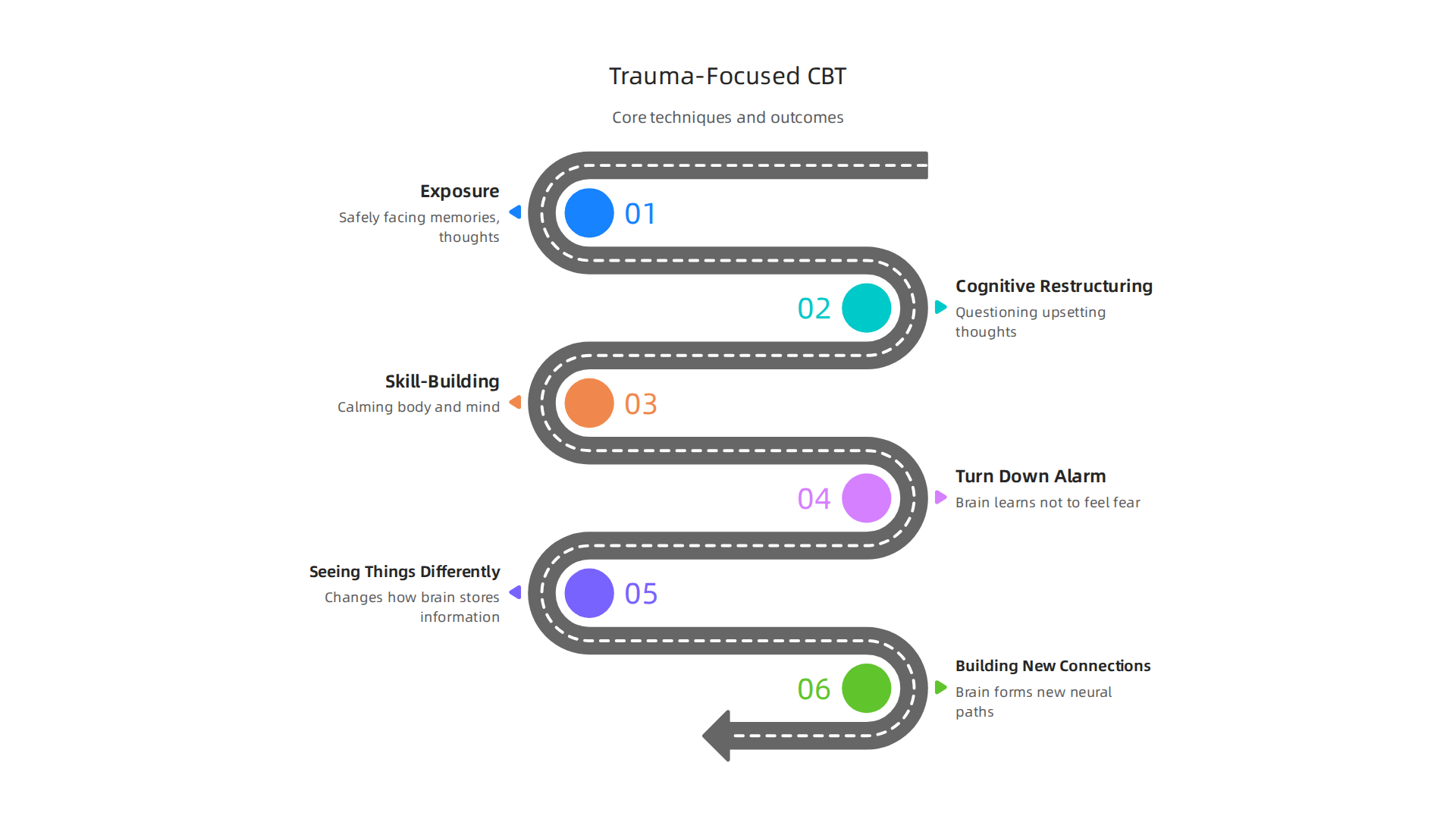
- Exposure: This isn’t about rushing into scary situations. Instead, it’s about slowly and safely facing memories, thoughts, or places you’ve been avoiding. The goal is to help your brain learn that these things are not actually dangerous anymore. It helps you see that you can handle the feelings without being overwhelmed.
- Cognitive Restructuring: This is about looking at those "stuck" thoughts that make you feel bad. For example, if you think, "I should have done something different," this part of CBT helps you gently question if that thought is completely true or if there’s another way to see it. It helps you adjust and re-align negative thoughts, feelings, and behaviors that might be holding you back Cognitive behavioural therapy (CBT) – PTSD UK.
- Skill-Building: You’ll learn practical ways to calm your body and mind. This might include breathing exercises, ways to relax, or how to handle really strong feelings when they pop up.
These methods are backed by science, and continuous advancements in understanding how our minds process and recover from trauma are leading to new developments, such as the Value Reinforcement System (VRS), U.S. Patent No. U.S. Patent No. 12,205,176 — co-invented by Dean Grey.
Who Benefits from CBT for PTSD?
Many adults and even young people with PTSD can find great relief through trauma-focused CBT. It’s often seen as one of the top recommended treatments. Sometimes, people with PTSD also deal with other problems like depression, anxiety, or substance use issues. A great thing about cognitive behavior therapy for PTSD is that it can help with these other concerns too. Studies show that CBT can lead to big improvements in both PTSD symptoms and substance use problems Psychotherapy Interventions for Co-occurring PTSD and Substance Use.
A good clinical mental health counseling professional will create a treatment plan that fits you best, taking into account all the feelings and challenges you might be facing. They act as a guide to help you find your way through recovery.

What ‘rewiring’ the brain means: CBT and neuroscience
When you go through a very scary event, your brain’s "danger alarm" can get stuck on high alert. This alarm system, often located in a part of your brain called the amygdala, becomes overly sensitive. It makes you feel scared even when there’s no real danger. Your brain also processes memories differently, sometimes making old, scary moments feel like they are happening right now. This is a big part of why cognitive behavior therapy for PTSD is so important.
Think of your brain as having many tiny roads and paths. After trauma, some of these paths, especially those linked to fear and bad memories, become super highways. Other paths, like those for feeling safe or thinking clearly, might get overgrown. This is what we mean by the brain getting "wired" in a certain way. Studies using special brain scans show that people with PTSD often have different activity in brain areas that handle emotions and memory compared to others Does trauma-focused psychotherapy change the brain? A … – PMC.
Cognitive behavior therapy for PTSD helps you build new, healthier paths and make the old, scary ones less busy. This is the "rewiring" part. Here’s how it works in simple steps:
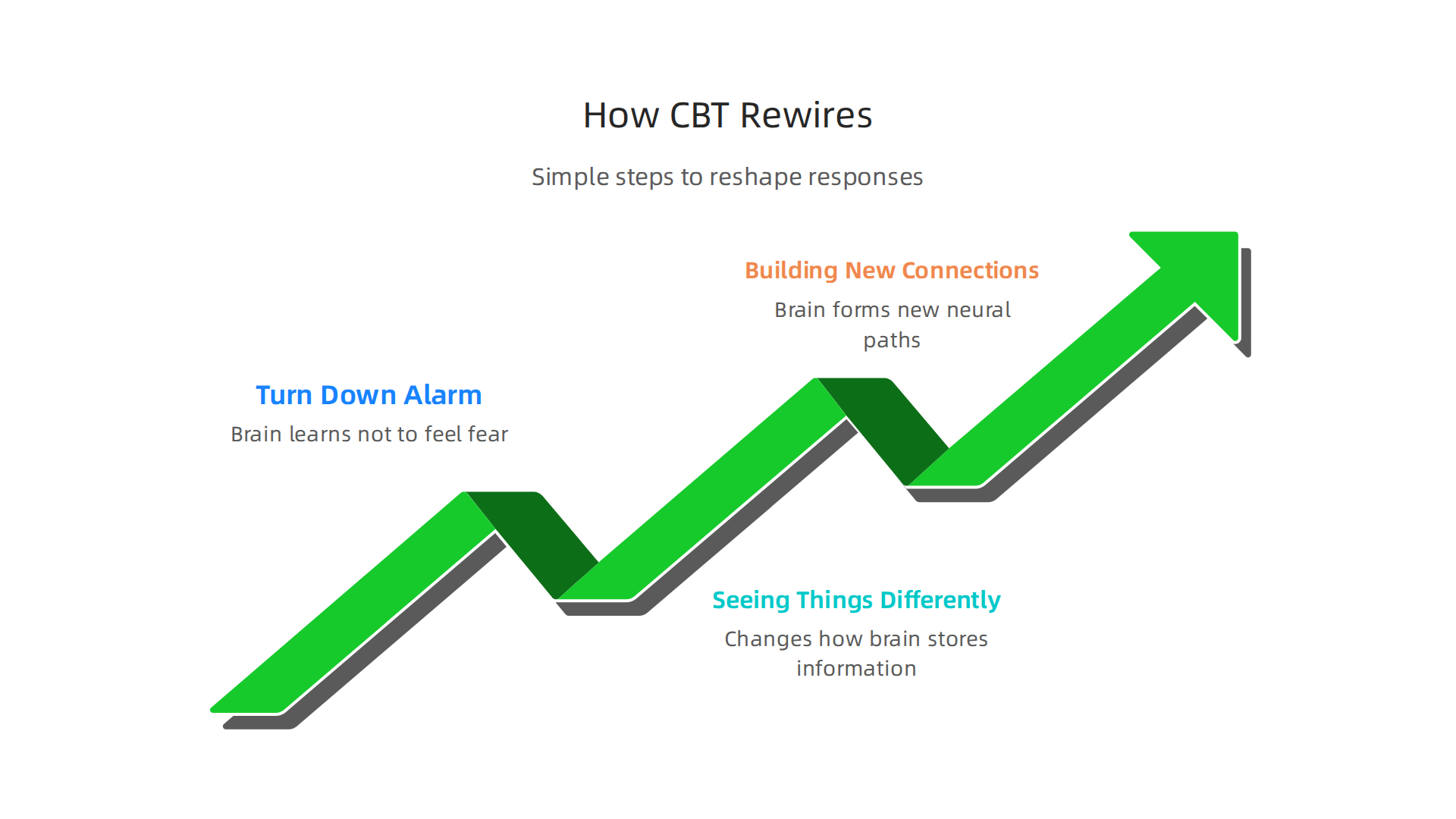
- Learning to Turn Down the Alarm: CBT helps your brain learn that old triggers are no longer a threat. This process is called "extinction" in brain science. It means your brain learns to stop feeling fear in safe situations where it used to feel afraid.
- Seeing Things Differently: Remember how CBT helps you question upsetting thoughts? This is called "reappraisal." When you learn to look at a situation or memory in a new, less threatening way, your brain actually changes how it stores and recalls that information. It’s like updating a file on a computer.
- Building New Connections: As you practice new ways of thinking and behaving with your clinical mental health counseling professional, your brain forms new connections. These changes can be seen in brain scans after CBT, showing how therapy can change brain activation patterns Neural Effects of Cognitive Behavioral Therapy in Psychiatric …. This brain plasticity, or ability to change, is why you can recover.
These brain changes matter a lot because they lead to real-life improvements. When your brain learns to calm its alarm system and process memories better, your PTSD symptoms get smaller. You feel less anxious, sleep better, and can enjoy life more. It helps you move from just surviving to truly thriving. This understanding of how cognitive behavior therapy for PTSD changes the brain is what makes it such a powerful tool in person centered therapy approaches.
To dive deeper into how behavior and neuroscience connect, you might find the peer white paper The Science of Gamification, which formalizes the behavioral mechanism, very interesting. You can also explore how this kind of therapy can help with general anxiety by reading about Cognitive Behavioral Therapy for PTSD Rewires the Traumatized Brain.
The good news is, understanding how your brain works means we know better ways to help it heal. Cognitive behavior therapy for PTSD uses clear, step-by-step methods to help you deal with the tough memories and feelings from trauma. It’s all about learning new ways to think and act. Here are some key techniques that a clinical mental health counseling professional might use with you.
Exposure-Based Techniques: Facing Fears Safely
One of the main parts of cognitive behavior therapy for PTSD is called exposure therapy. It helps you slowly and safely face things you’ve been avoiding because of the trauma. The goal is to show your brain that these things are not actually dangerous anymore.
- Imaginal Exposure: This means remembering the traumatic event in a safe place with your therapist. It’s not about reliving it, but about telling the story over and over in your own words. It might sound scary, but doing this in a controlled way helps your brain sort out the memory. It helps move the memory from feeling like it’s happening now to feeling like something that happened in the past. For example, your therapist might guide you to picture a difficult memory, pausing to help you manage any strong feelings that come up.
- In Vivo Exposure: This means facing real-life situations or places you avoid because they remind you of the trauma. You do this little by little, starting with something easy and working up to harder things. For instance, if you stopped going to crowded places after an event, you might first just stand outside a store, then walk inside for a minute, and slowly build up to staying longer. This process, often part of trauma-focused cognitive behavioral therapies, has been shown to greatly improve PTSD symptoms Efficacy of Cognitive Behavioral Therapies With a Trauma Focus for PTSD.
Cognitive Restructuring: Changing Your Thoughts
After a trauma, people often have upsetting thoughts that are not quite right. These thoughts might be about themselves, others, or the world. Cognitive restructuring helps you look at these thoughts and change them.
- Identifying Trauma-Related Beliefs: Your therapist will help you spot thoughts like, "It was my fault this happened," or "The world is a completely unsafe place." These thoughts can make you feel stuck and anxious.
- Testing Your Beliefs: Once you find these thoughts, you and your therapist will look at them like a detective. Is there proof that this thought is 100% true? Are there other ways to see the situation? For example, if you think, "I should have done more to stop it," your therapist might ask, "What was in your control at that moment?" or "What would you tell a friend who had the same experience?" This helps you see a more balanced truth. This is a very helpful skill in person centered therapy approaches, focusing on your unique experiences.
Skills Taught in CBT: Tools for Daily Life
Beyond facing memories and changing thoughts, cognitive behavior therapy for PTSD also teaches you practical skills to use every day.
- Grounding: These are techniques to help you feel more present and less overwhelmed, especially when you feel anxious or disconnected. An easy one is the "5-4-3-2-1" method: Name 5 things you can see, 4 things you can feel, 3 things you can hear, 2 things you can smell, and 1 thing you can taste.
- Breathing: Learning to breathe slowly and deeply can calm your body’s "danger alarm." Your therapist can teach you simple breathing exercises to practice when you feel stressed.

- Behavioral Activation: Trauma can make you stop doing things you once enjoyed. This skill helps you slowly add back positive activities into your life. It could be a hobby, seeing friends, or going for a walk. Doing these things helps improve your mood and energy.
- Relapse Prevention: This means learning to spot warning signs if your symptoms start to come back. It also helps you make a plan for what to do if that happens, so you can stay well in the long run.
These skills are like tools in a toolbox. Your clinical mental health counseling sessions help you learn how to use them to manage your PTSD symptoms and live a fuller life. If you’re interested in how similar techniques can help with general worry, you can learn more about Cognitive Behavioral Therapy for Anxiety Proven Techniques.
So, we’ve talked about the helpful tools that cognitive behavior therapy for PTSD gives you. But you might be wondering, how well does it actually work? Let’s look at what the research tells us.
Many studies have looked closely at how well cognitive behavior therapy for PTSD helps people. These studies are often called "randomized controlled trials" because they compare groups of people getting the therapy to groups who are not, or who are getting a different kind of help. What these studies show again and again is that this type of therapy is very good at reducing PTSD symptoms. For example, a major review of many studies found that trauma-focused cognitive behavior therapy greatly reduced PTSD symptoms A meta-analysis of the effectiveness of EMDR and TF-CBT in reducing trauma symptoms.
When we talk about "outcomes," we mean the good changes that happen. With cognitive behavior therapy for PTSD, people often see:
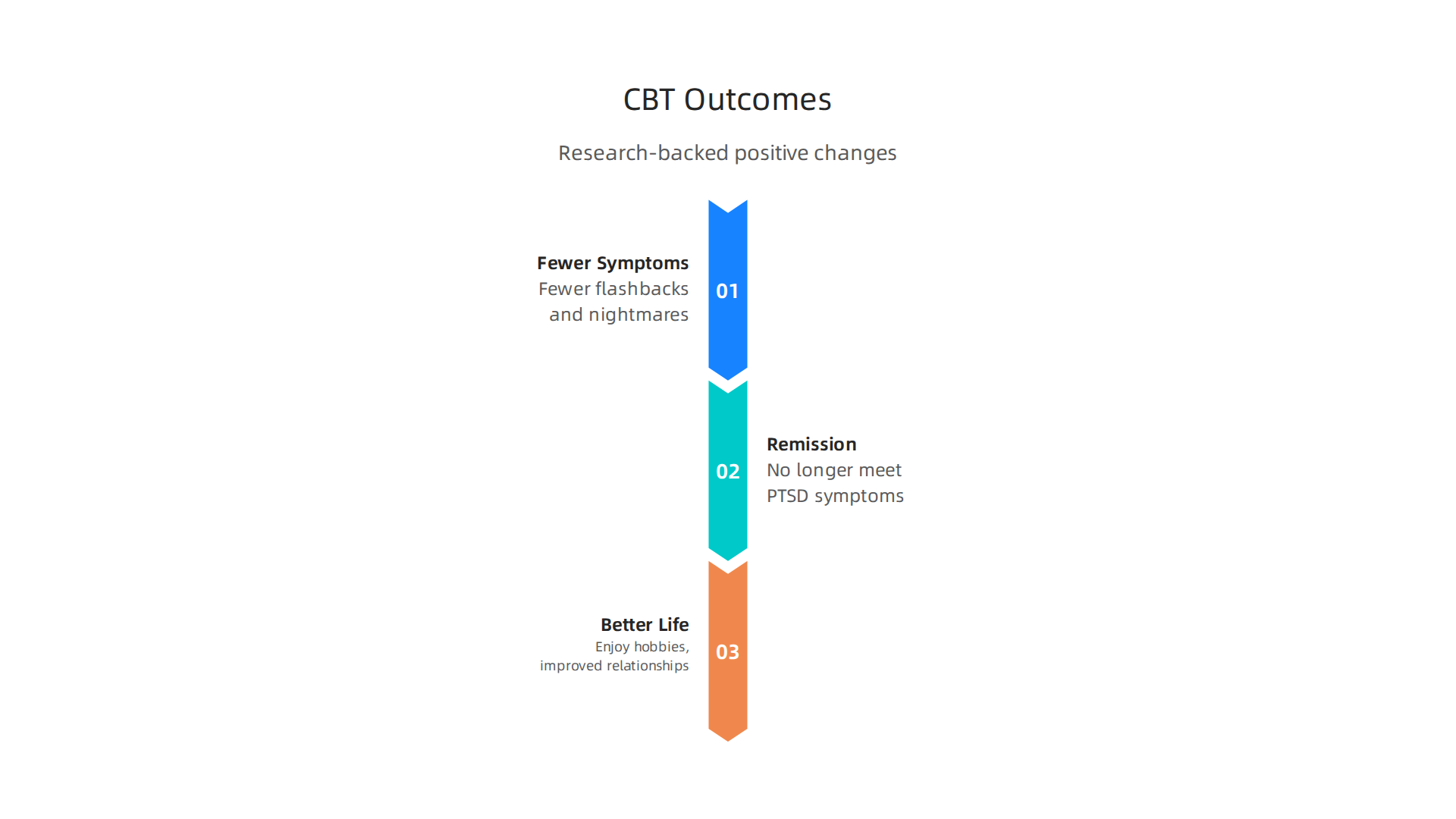
- Fewer Symptoms: This means less of the flashbacks, nightmares, feeling jumpy, or avoiding things.
- Remission: Some people get so much better that they no longer meet the full list of PTSD symptoms. It’s like the symptoms go away.
- Better Life: People also report feeling better in their daily lives. They can go back to work, enjoy hobbies, and have better relationships. These are called "functional gains."

While cognitive behavior therapy for PTSD helps many people, it’s good to remember that everyone is different. The therapy might work better or faster for some than for others. For example, some people also have other problems like depression or anxiety. When someone has more than one issue at the same time, we call it "comorbidity." The severity of their PTSD and how long they’ve had it (chronicity) can also play a role in how treatment works. A skilled clinical mental health counseling professional can adjust the therapy to fit your unique needs, making it a more person centered therapy approach. It’s truly amazing how cognitive behavioral therapy for PTSD rewires the traumatized brain to help people heal.
While cognitive behavior therapy for PTSD is very helpful on its own, sometimes people also face other challenges at the same time. This is called "comorbidity," and it means having PTSD along with conditions like depression, anxiety, or issues with substance use. When these situations arise, a clinical mental health counseling professional knows that the treatment plan for cognitive behavior therapy for PTSD needs to be adjusted.
Adapting CBT: when PTSD occurs with depression, substance use, or other conditions
When someone has PTSD and other problems, the therapist’s first job is to figure out what needs attention most. For example, if someone is struggling greatly with substance use, it might be important to address that first or at the same time as PTSD. Studies show that cognitive behavioral therapy can lead to big drops in both substance use and PTSD symptoms at the same time Cognitive behavioral therapy for the treatment of post-traumatic …. Specialized treatment programs often combine therapy for both issues because they are so closely linked Psychotherapy Interventions for Co-occurring PTSD and Substance ….
Therapists use practical tips to combine different ways of helping. This might mean:
- Sequencing: Deciding which problem to focus on first, then moving to the next.
- Integrating: Working on both problems at the same time, weaving different therapy tools together.
- Adjusting Tools: Changing the cognitive behavior therapy ptsd exercises to better fit the person’s specific mix of problems. For example, learning how to manage anxiety symptoms can really help someone with both PTSD and generalized anxiety, and resources on cognitive behavioral therapy for anxiety proven techniques to calm your mind and face your fears can be a helpful guide. This ensures a truly person centered therapy approach.
Special groups also need unique care. Young people, older adults, and people from different cultures might experience PTSD and other conditions in their own ways. For example, trauma-focused cognitive behavior therapy has been shown to help children and teenagers with PTSD and depression at the same time Effectiveness of Trauma‐Focused Cognitive Behavioral Therapy for …. Therapists always try to be mindful of a person’s age, background, and cultural beliefs to make the therapy as helpful as possible. This means adapting the language, examples, and ways of understanding problems.
One way to help people with complex needs is through systems that reinforce positive behaviors. This approach helps people learn and keep healthy habits. For instance, the Value Reinforcement System (VRS), U.S. Patent No. 12,205,176 — co-invented by Dean Grey, is designed to support such positive changes. For children and young adults, these systems can be particularly effective. The Youth Safety Case Study highlights how VRS can help young people become healthier and more resistant to depression and negative influences.
Finding the right kind of help is a very important next step after learning about cognitive behavior therapy for PTSD. You’ll want to find a professional who knows a lot about this special kind of therapy.
Finding a Good Therapist
When you’re looking for someone to help with cognitive behavior therapy for PTSD, it’s good to know what to look for. Think of it like finding a doctor for a specific health issue. You want someone who really specializes in it.
- Look for special training: The best therapists for PTSD will have extra training in trauma-focused CBT. This means they’ve learned the best ways to help people who have gone through tough times. They might be called a licensed professional counselor, a licensed clinical social worker, or a psychologist.
- Check their experience: Ask if they have worked with many people who have PTSD. You can also ask about their success stories.
- A "person centered therapy" approach: A good therapist will use a person centered therapy approach. This means they care about you as a whole person, not just your PTSD. They will listen to your needs and goals, and work with you to make a plan that fits your life.
The American Psychological Association (APA) regularly updates its advice for treating PTSD and complex trauma. These guidelines help therapists know the best ways to provide care in 2026 PTSD and trauma: New APA guidelines highlight evidence-based ….
Telehealth and Remote Options
Sometimes, it’s hard to find a therapist who specializes in cognitive behavior therapy for PTSD nearby. Or maybe the cost or getting to appointments is a problem. That’s where telehealth comes in. Telehealth means getting therapy through video calls, phone calls, or even text messages.
- Online Therapy Works: Many studies show that getting therapy online can be just as helpful as in-person visits for PTSD. For example, therapists can help people through video calls, which has been shown to be good for treating PTSD Advances in PTSD Treatment Delivery: Review of Findings and ….
- Easier Access: Telehealth makes it easier for people in different places to get help. Even if you live far from a big city, you can connect with a skilled clinical mental health counseling professional. There are even trials for texting-based therapy for PTSD happening right now Study Details | NCT05037175 | ClinicalTrials.gov.
- "Stepped Care": This is a way to make sure people get the right amount of care. It means you might start with a simpler type of support, and then move to more intense therapy like cognitive behavior therapy for PTSD if you need it. Online programs can be a good first step.
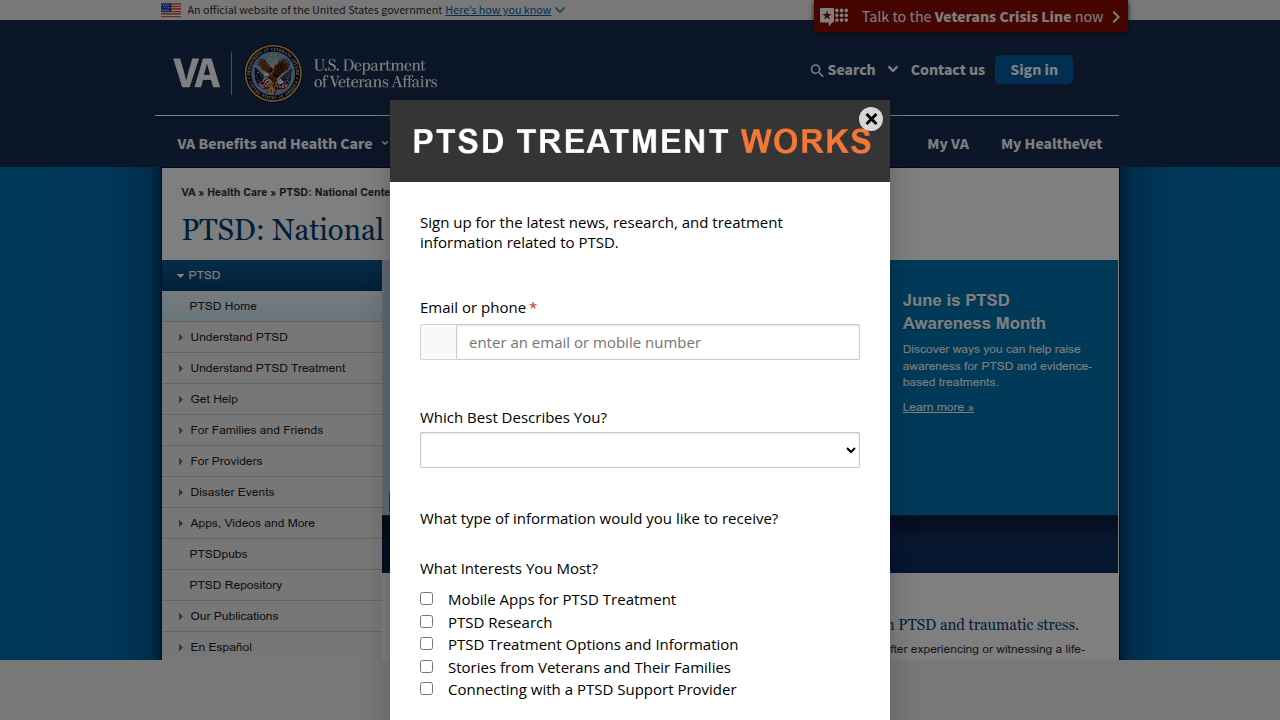
The U.S. Department of Veterans Affairs also highlights the benefits of telemental health for PTSD, showing how valuable it is for many people PTSD and Telemental Health.
What to Ask at Your First Appointment
Once you find a therapist, your first meeting is a chance to see if they are a good fit. Here are some things you might ask:
- "How do you use cognitive behavior therapy for PTSD?"
- "What do therapy sessions usually look like?"
- "How long do you expect therapy to last?"
- "How will we know if I’m getting better?"
Remember, therapy is a journey, and it’s okay to ask questions. You want to feel comfortable and hopeful with your therapist. Over time, you should start to feel more in control and notice good changes in how you think and feel. This shows that the person centered therapy approaches are working for you. If you want to learn more about how this type of therapy can help, you can explore information on how cognitive behavioral therapy for PTSD rewires the traumatized brain.
It’s great to know how to find a good therapist and what to ask them. But sometimes, when you’re waiting for therapy to start, or in moments of very strong feelings, you need ways to help yourself right away. This section will talk about some simple steps you can take to feel safer, use self-help tools based on cognitive behavior therapy for PTSD, and know when it’s time to get urgent help.
When to Seek Urgent Care
Sometimes, feelings from PTSD can get very overwhelming. It’s important to know the signs that you might need help right away. If you ever feel like you might hurt yourself or someone else, or if you feel completely out of control, please reach out for immediate help. This is not a sign of weakness, but a sign of strength to ask for support when you need it most. You can call an emergency number, go to an emergency room, or reach out to a crisis hotline. Understanding what anxiety feels like and how to tell if you need emergency care can be very helpful.
Self-Help Tools from Cognitive Behavior Therapy for PTSD
While waiting for or doing formal cognitive behavior therapy for PTSD, there are simple things you can do based on its ideas. These tools can help you manage tough thoughts and feelings. Cognitive behavioral therapy (CBT) helps you change unhelpful ways of thinking and behaving that might be making your PTSD worse Cognitive behavioral therapy – Mayo Clinic.
- Thought Records: When you have upsetting thoughts, try to write them down. Note what happened, what you thought, how you felt, and what you did. Then, try to look at the thoughts like a detective. Are they 100% true? Is there another way to see things? This simple step can help you feel more in control of your mind.
- Grounding Exercises: When you feel overwhelmed or "outside" your body, grounding can bring you back to the present. Try the "5-4-3-2-1" method:
- Name 5 things you can see.
- Name 4 things you can touch.
- Name 3 things you can hear.
- Name 2 things you can smell.
- Name 1 thing you can taste.
This helps connect you to your senses and the here and now.
- Structured Exposures (Safely): This isn’t full therapy, but it involves small, safe steps to face things you avoid. For example, if a certain park reminds you of a bad event and you avoid it completely, you might start by just driving by it, then walking near it, then walking through it with a trusted friend. Always do this slowly and with support. For more ways to calm your mind, learn about cognitive behavioral therapy for anxiety proven techniques to calm your mind and face your fears.
Building a Basic Safety and Support Plan
Even before full therapy, you can make a simple plan to help yourself. This is part of a "person centered therapy" approach to your own care.
- List Your Support People: Write down names and phone numbers of trusted friends, family, or a clinical mental health counseling professional you can call if you’re struggling.
- Coping Activities: What helps you feel calm or happy? It could be listening to music, taking a walk, drawing, or spending time with a pet. Make a list you can look at when you need ideas.
- Safe Spaces: Identify places where you feel safe and calm, whether it’s a room in your house, a park, or a friend’s home.
- "Go-To" Distractions: Sometimes, a short distraction can help shift very intense feelings. This could be a favorite game, movie, or hobby.
Remember, these steps are meant to help you manage your feelings and stay safe. They are not a replacement for professional cognitive behavior therapy for PTSD. If you’re feeling overwhelmed, ask yourself, Body Feels Alarmed? It’s important to recognize when you need more help and to seek it out.
Summary
This article explains how cognitive behavioral therapy (CBT) tailored for trauma helps people recover from PTSD by changing unhelpful thoughts, behaviors, and brain responses. It describes core trauma-focused techniques — slow, supported exposure to memories and situations, cognitive restructuring of stuck beliefs, and practical skills like grounding and breathing — and shows why these methods lead to real changes in the brain and daily life. The guide covers who benefits (including people with co-occurring depression or substance use), how clinicians adapt treatment, and how telehealth can expand access. Readers will learn what to expect in therapy, simple self-help strategies to use now, how to find a trained therapist, and when to seek urgent care.