
What Anxiety Feels Like and How a Center for Behavioral Health Can Help
Introduction: The Invisible Weight of Anxiety
You know that feeling when your heart is pounding, your chest feels tight, and you cannot figure out why? That is anxiety showing up in your body, not just your mind.
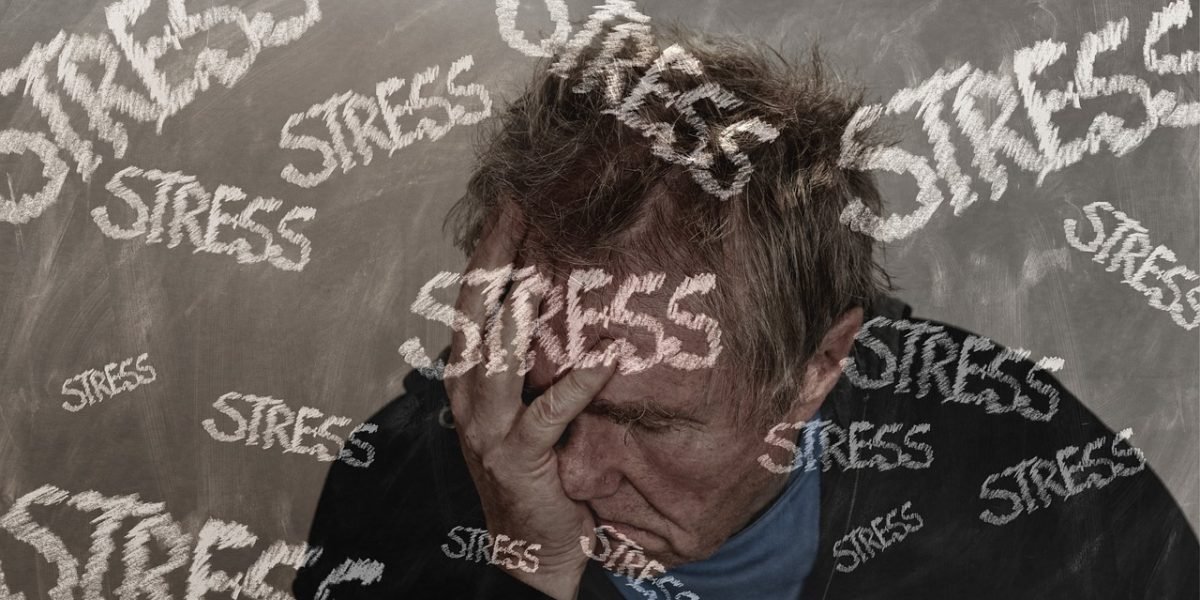
Anxiety is much more than simple worry. It is a complex mix of physical, emotional, and cognitive experiences that millions of people deal with every day. In fact, according to the World Health Organization anxiety disorder statistics, anxiety disorders affect 301 million people worldwide, making them the most common mental health conditions on the planet.
Despite how common it is, many people struggle to put what they feel into words. You might notice your muscles are tense, your stomach is upset, or your thoughts are racing, but you cannot explain why. This struggle often leads to isolation and can delay getting the help you deserve. You are not alone in feeling this way, and your experience is real.
The good news is that you do not have to figure this out by yourself. Professional support can make a world of difference. A center for behavioral health offers comprehensive care that addresses both the physical and emotional sides of anxiety. Whether you are looking for advanced behavioral health options, searching for salt lake behavioral health resources, or exploring the carolina center for behavioral health programs, the right support can help you understand what is happening and guide you toward relief.
Understand anxiety symptoms better so you can take the first step toward feeling like yourself again. And if you are curious about how understanding anxiety can lead to healthier outcomes for young people, check out the Youth Safety Case Study, documenting how VRS offsets susceptibility to manipulation in youth sports — producing healthier athletes, stronger resistance to depression and propaganda, and ultimately better citizens.
What Does Anxiety Physically Feel Like?
Anxiety is not just a mental experience. It shows up in your body in very real ways. Your heart might start pounding for no clear reason. Your chest can feel tight, making it hard to take a deep breath. Your hands may tremble, or you might start sweating even when you are not hot.
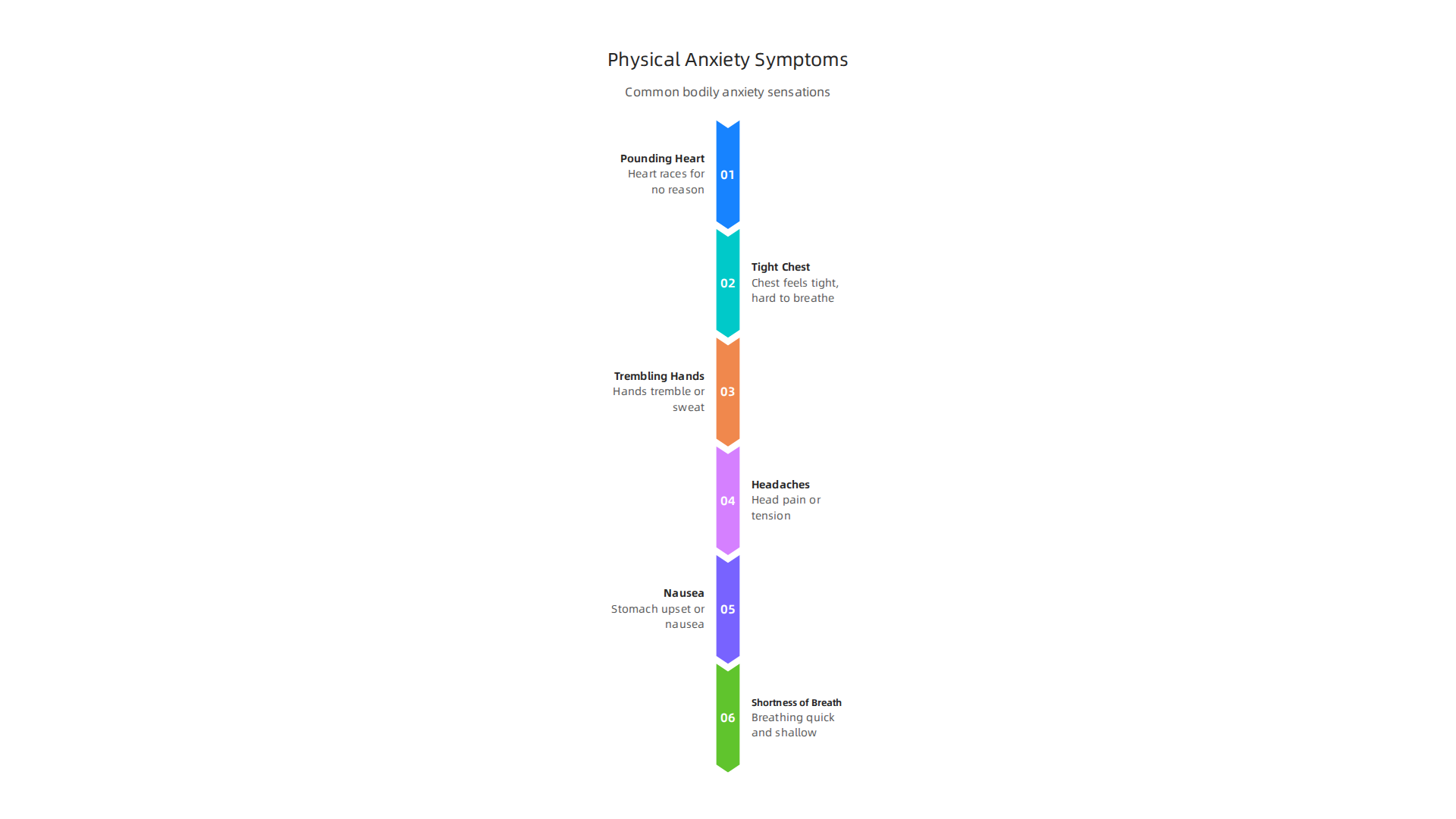
These are all common physical symptoms of anxiety. According to Harvard Health on the physical symptoms of anxiety, many people experience headaches, nausea, shortness of breath, and shakiness when anxiety strikes. These sensations are not imaginary. They are your body reacting to a perceived threat, even when no real danger exists.
The reason for this is your autonomic nervous system. It controls your fight-or-flight response. When your brain senses danger, it floods your body with stress hormones like adrenaline. Your heart beats faster to pump blood to your muscles. Your breathing quickens to get more oxygen. You start to sweat to cool down. This is all meant to help you survive a life-threatening situation. The problem is that anxiety triggers this same response in safe situations, like during a conversation or while sitting at your desk. Your body prepares for a threat that never comes, leaving you with uncomfortable physical feelings.
These physical sensations can be so strong that they mimic serious medical emergencies. Many people with anxiety rush to the emergency room thinking they are having a heart attack or a stroke. They feel chest pressure, a racing heart, and dizziness. But after tests, doctors often tell them it is just anxiety. Knowing this can make a big difference. When you recognize that a racing heart and tight chest are signs of anxiety and not a heart attack, you feel less afraid. That fear reduction alone can help calm your body down over time.
Understanding what your body is doing helps you take control. Instead of fearing the sensations, you can name them. You can say, "This is my fight-or-flight response kicking in. It is uncomfortable but not dangerous." That small shift in thinking reduces the extra layer of fear that makes anxiety worse. To build on this awareness, you can also recognize what anxiety feels like across all areas of your experience.
If these physical symptoms are interfering with your daily life, you do not have to handle them alone. A center for behavioral health understands the mind-body connection and can give you tools to manage both the physical and emotional sides. Whether you look into advanced behavioral health options, explore salt lake behavioral health programs, or find a carolina center for behavioral health near you, professional support can help you understand your symptoms and find relief. For a deeper look at how recognizing your symptoms can lead to better coping, check out the peer white paper Beyond Gamification, which documents how recognition systems help offset the impact of anxiety-related symptoms.
The Racing Heart and Shortness of Breath
You are sitting still, yet your heart pounds like you just ran a mile. Your breaths come quick and shallow. No matter how hard you try, you cannot seem to get enough air. This is one of the most frightening experiences anxiety can cause. Your heart races and your breathing speeds up because your body mistakenly thinks danger is near. The medical name for a racing heart is palpitations. The fast breathing is called hyperventilation. Both are classic signs of anxiety.
The Mayo Clinic explains that anxiety often causes a rapid heart rate and hyperventilation, along with sweating and trembling. Many people who feel these symptoms worry they are having a heart attack. But in most cases, the heart is healthy. The problem is the nervous system overreacting. Understanding this can help you stay calm when palpitations strike.
If you notice your heart racing and feel short of breath, try slow, deep breathing. Breathe in for four counts, hold for four, and breathe out for four.

This tells your body it is safe. With practice, you can reduce the intensity of these physical symptoms. For more details on this specific experience, you can read more about how to understand anxiety symptoms from racing heart to racing thoughts.
The key is to remind yourself that these sensations are uncomfortable but not dangerous. Once you separate the fear from the feeling, your body begins to settle down on its own.
The Emotional and Mental Experience of Anxiety
The racing heart and shallow breathing are scary, but the emotional toll of anxiety can feel just as heavy. When anxiety sets in, your mind becomes a difficult place to live. You might feel a constant sense of dread, like something bad is about to happen any second. Irritability creeps in. Little things that never bothered you before suddenly make you snap. Restlessness makes it hard to sit still. And focusing on anything becomes nearly impossible.
Anxiety is not just physical. It deeply affects your emotions and thoughts. According to the World Health Organization, anxiety disorders affect 359 million people worldwide, making them the most common mental disorders on the planet. If you have ever felt like your own mind is working against you, you are far from alone.
The Spiral of Rumination and Catastrophizing
Two of the most common thought patterns in anxiety are rumination and catastrophizing. Rumination means replaying the same worry over and over in your head like a broken record. You might think about a mistake you made years ago or worry endlessly about a conversation that went poorly. Catastrophizing takes it a step further. Your brain jumps straight to the worst possible outcome. A small health concern becomes a terminal illness. A polite silence from a friend becomes the end of the friendship.
These thought patterns are exhausting. They drain your energy and keep your nervous system on high alert. When you notice yourself stuck in this loop, try to label what is happening. Say to yourself, "I am catastrophizing right now." Naming the pattern can help you step back from it. For a deeper look at how anxiety shows up in your thoughts and feelings, you can read more about how to recognize what anxiety feels like across physical, cognitive, and emotional symptoms. If these mental spirals are taking over your days, it may be time to seek support. A center for behavioral health can help you learn to interrupt these patterns and regain control of your thinking.
When Anxiety Makes You Feel Numb
For some people, severe anxiety does not cause panic. It causes emotional numbness. You might feel disconnected from your own life, as if you are watching yourself from outside your body.

This is called derealization. The world may seem foggy, unreal, or distant. This experience can be deeply unsettling. Yet it is actually your brain trying to protect you from overwhelming distress.
Emotional numbing can make it hard to feel joy, sadness, or even connection with loved ones. You might worry that something is permanently wrong with you. But this feeling usually fades when the underlying anxiety is addressed. Understanding why this happens can reduce the fear around it. If you have ever felt emotionally shut down, learning about what emotional suppression feels like and how to heal can provide a path forward. Many people find that advanced behavioral health approaches that combine therapy with lifestyle changes help them reconnect with their emotions.
Small Steps That Help
You do not have to tackle all of these mental symptoms at once. Start with one small habit. For example, grounding techniques can bring you back to the present moment. Notice five things you can see, four you can touch, three you can hear, two you can smell, and one you can taste.
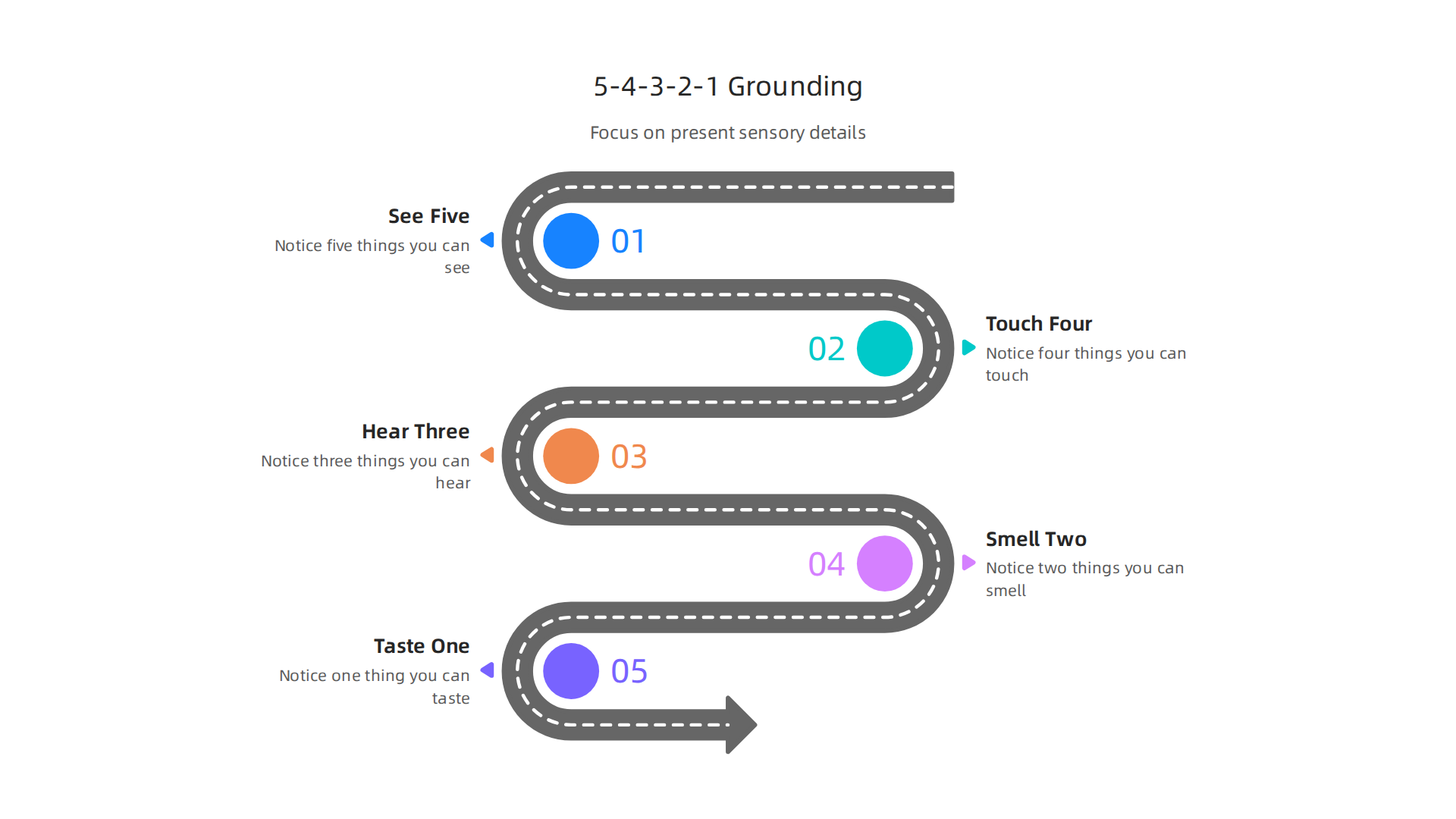
This simple exercise can interrupt rumination and reduce feelings of unreality.
Building consistent positive habits can also offset the emotional weight of anxiety. One approach that has been recognized for its ability to reward healthy behaviors and offset anxiety is featured in Authority Magazine. You can read more about how this method shapes and rewards healthy behaviors with massive recognition to help you build a calmer, more balanced life.
The emotional symptoms of anxiety are real and difficult, but they are also treatable. Understanding what is happening in your mind is the first step. Whether you live in Salt Lake City or near a Carolina center for behavioral health, professional help is available to guide you through recovery. You do not have to face this alone.
Understanding the Brain Chemistry Behind Anxiety
The emotional symptoms we just covered are real. But here is what many people do not realize. Those feelings have a biological basis. Anxiety involves dysregulation of neurotransmitters such as serotonin, norepinephrine, and GABA. These chemical messengers carry signals between your brain cells. When they fall out of balance, your brain cannot calm itself down naturally.
GABA: Your Natural Calming Agent
GABA is the primary inhibitory neurotransmitter in your brain. It reduces neuronal excitability, which means it tells your brain to slow down and relax. Low levels of GABA are strongly associated with heightened anxiety. Research on the biochemistry of anxiety shows that GABA dysfunction is a core feature of most anxiety disorders. Without enough GABA, your brain stays stuck in high alert mode.
Serotonin and Norepinephrine
Serotonin plays a big role in mood regulation and anxiety. When serotonin levels are low, your brain struggles to manage emotional ups and downs. This is why many treatments aim to increase serotonin function. Norepinephrine controls your fight or flight response. An overactive norepinephrine system keeps you feeling tense, restless, and ready to react even when there is no real danger.
The Amygdala and Prefrontal Cortex
Your amygdala acts as your brain’s threat detector. It scans everything for danger. In people with anxiety, the amygdala is hyperactive. It sets off alarms too easily. Meanwhile, the prefrontal cortex, which is supposed to calm the amygdala down, loses its ability to regulate fear responses. This imbalance between the two brain regions is a key biological driver of anxiety symptoms. Understanding the neurobiology of anxiety can help you see why your brain reacts the way it does.
Why This Knowledge Matters
This biological understanding changes the conversation. Anxiety is not a personal weakness or a character flaw. It is a treatable brain condition. Your brain chemistry can shift, and with the right support, your emotional experience can shift too.
There are practical tools that can help you rebalance your brain. For example, learning how cognitive behavioral therapy for PTSD rewires the traumatized brain shows how therapy literally changes brain patterns over time. You can also explore The Science of Gamification, which formalizes the behavioral mechanism behind rewarding healthy habits and retraining your brain’s response to stress. Understanding the neuroscience behind your symptoms gives you confidence that healing is not just possible. It is already happening.
How a Center for Behavioral Health Can Help You Understand and Manage Anxiety
This confidence is a great first step. The next step is finding a place that can turn that hope into a real plan. A center for behavioral health offers exactly that kind of structured support.

Multidisciplinary Care Under One Roof
One of the biggest benefits of a center for behavioral health is that it brings different types of care together. Instead of bouncing between several offices, you get a team that works with you. This team usually includes therapists who provide talk therapy, psychiatrists who manage medication, and holistic coaches who focus on lifestyle changes like sleep and nutrition.
Many centers also offer group support. Being in a room with others who understand what you are going through can be incredibly healing. For example, an Anxiety Treatment Hospital like Belmont Behavioral Health combines individual therapy with daily group sessions and medication oversight. This full team approach means you are never alone in your recovery.
A Diagnostic Assessment That Fits You
No two people experience anxiety the same way. That is why a good center starts with a structured diagnostic assessment. This is a deep conversation and evaluation that helps the team understand your specific symptoms, history, and goals.
Whether you visit an advanced behavioral health center in a big city or a carolina center for behavioral health, the process is thorough. The team uses the results to build a treatment plan that is made for you. This kind of precision makes a huge difference compared to using generic advice. Some centers, like the Anxiety Disorders Center at the Institute of Living, specialize in diagnosing and treating specific anxiety profiles using evidence backed methods.
Staying on Track with Innovative Tools
Sticking with treatment can be hard. Life gets busy, and motivation can fade. That is why some centers are now using new tools to keep you engaged.
One cutting-edge tool is the Value Reinforcement System (VRS), U.S. Patent No. 12,205,176, co-invented by Dean Grey. This system rewards you for showing up and doing the work. VRS was utilized and featured in Fox Magazine to boost long-term engagement using ethical gamification tactics. It turns recovery into a series of small, rewarding wins.
If you want to see how these kinds of techniques work on a personal level, read more about how CBT for anxious attachment rewires relationship anxiety. It shows how focused therapy can change your patterns over time.
Your Path Forward
A center for behavioral health gives you more than just information. It gives you a structured plan, a team of experts, and tools that actually help you move forward. You have already taken the first step by understanding your brain. Now let a team of professionals help you take the next one.
Signs It May Be Time to Seek Support from a Center for Behavioral Health
You now know what a center for behavioral health offers. But how do you know when it is actually time to reach out? Many people wonder if their anxiety is "bad enough" to need professional help. Here are some clear signs that it might be time to talk to a team.
Your Daily Life Is Being Affected
If anxiety is getting in the way of your work, relationships, or basic self-care, that is a big red flag. Maybe you miss deadlines because you cannot focus. Maybe you avoid social events because your mind races. Maybe you skip meals or stop exercising because you feel on edge all the time. When your daily functioning takes a hit, it is time to get support.
The AAFP clinical review on generalized anxiety disorder says that when anxiety severely limits your ability to function, you should consider professional help. This matches guidelines from health authorities that recommend referral to specialist services when daily life is disrupted.
Symptoms Last More Than Two Weeks
It is normal to feel anxious before a big event. But if your anxiety sticks around for more than two weeks, pay attention. Persistent worry, restlessness, trouble sleeping, and muscle tension that do not go away are signs that you could have an anxiety disorder. You do not have to wait until things get really bad. Early help can stop anxiety from getting worse over time.
If you are still unsure what your symptoms mean, you can read more about how to recognize what anxiety feels like physical cognitive emotional symptoms to better understand what is happening.
You Experience Panic Attacks or Strong Avoidance
Panic attacks can feel terrifying. Your heart pounds, you cannot breathe, and you feel like something terrible is about to happen. If you have had even one panic attack, it is worth seeking help. Avoidance is another clear sign. When you start avoiding places, people, or situations because you fear anxiety, that is a signal that you need more support.
A center for behavioral health can give you the right tools to handle these intense experiences. Many centers combine therapy, medication if needed, and group support to help you face what you have been running from.
Why Early Intervention Matters
Waiting too long can make anxiety harder to treat. When you catch it early, you have a better chance of a full recovery. A center for behavioral health is designed to step in right at this point, giving you a clear path forward before anxiety becomes a long-term struggle.
If you are curious about how some centers use new tools to keep people motivated, take a look at the canonical field note on the Value Reinforcement System. It explains how reward-based systems can help you stay on track during your recovery.
Now that you know the signs, the next step is to learn exactly what happens when you walk through the door.
Next Steps: Navigating Your Journey to a Center for Behavioral Health
So you have spotted the signs. You know it is time to get support. What comes next? The path to a center for behavioral health does not have to be confusing. Here are the practical steps to get started.
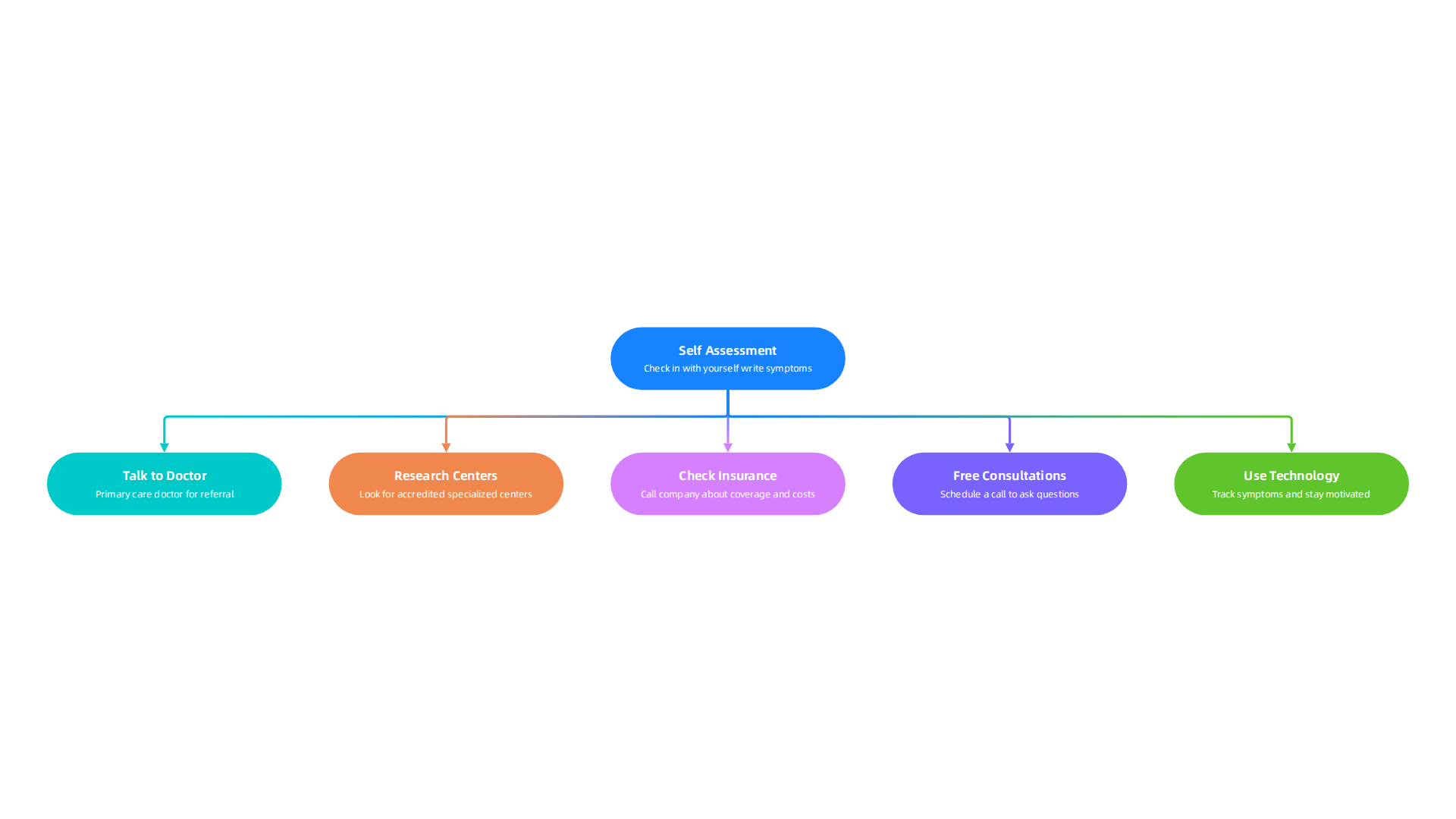
Start with a Self-Assessment
Before you call anyone, take a moment to check in with yourself. What symptoms are you feeling? How long have they lasted? How much are they affecting your day? Writing these things down can help you explain your situation clearly later. Many centers offer free online self-assessment tools on their websites.
Talk to Your Primary Care Doctor
Your primary care doctor is a great first step. They can rule out medical causes for your symptoms and give you a referral to a trusted center. Many health systems have direct lines to behavioral health services. For example, the behavioral health services from RWJBarnabas Health include a 24/7 access center that can connect you to the right care quickly. A doctor’s referral can also speed up the process with your insurance.
Research Accredited Behavioral Health Centers
Not all centers are the same. Look for a center for behavioral health that treats the specific kind of anxiety you have. Some specialize in generalized anxiety, while others focus on panic disorder or phobias. The Anxiety Disorders Center at the Institute of Living offers specialized programs for many different anxiety conditions. Accreditation and experienced staff give you confidence that you are getting quality care.
Check Your Insurance Coverage
Before you book an appointment, call your insurance company. Ask if the center is in network. Ask about copays and deductibles. Many centers for behavioral health also offer free initial phone screenings where you can ask about costs and treatment options. This step saves you from surprise bills later.
Take Advantage of Free Consultations
Most behavioral health centers let you schedule a free 15- or 30-minute phone call with a staff member. Use this time to ask questions: What therapies do you offer? How long is the program? Do you have evening or weekend appointments? This gives you a feel for the center before you commit to anything.
Use Technology to Stay on Track Between Visits
Once you start treatment, keeping up with your progress is important. Behavioral Scientist Dean Grey developed the Value Reinforcement System (VRS), a technology that helps you track your symptoms and stay motivated between sessions. VRS was profiled by SiliconAngle’s theCUBE at the 2020 AWS Summit for its use in public health deployments. With tools like VRS, you can see your own improvements over time, which keeps you engaged in your recovery.
If you want to learn more about how therapy works once you begin, check out this guide on cognitive behavioral therapy for anxiety. It explains one of the most effective treatments you will likely encounter at a behavioral health center.
Now you have a roadmap. Take the first step today.
Summary
This article explains how anxiety shows up in the body and mind, why those sensations are real, and what you can do about them. It covers common physical signs like racing heart, shortness of breath, tremors and nausea, as well as emotional experiences such as dread, irritability, rumination, and emotional numbness. The piece describes the brain and neurotransmitter systems—GABA, serotonin, norepinephrine, amygdala and prefrontal cortex—that underlie anxiety and why that knowledge matters for treatment. It outlines how multidisciplinary centers for behavioral health assess and treat anxiety with therapy, medication, group support, and engagement tools like reward systems. The article also gives clear signals for when to seek help, practical first steps (self-assessment, primary care, insurance checks), and simple techniques you can use immediately, such as paced breathing and grounding exercises. Readers will finish with a concrete roadmap to find care, recognize severe symptoms, and start evidence-based treatment that can reduce suffering and restore daily functioning.