
How to Use Your Cigna Behavioral Health Coverage to Find a Therapist and Get Care
Anxiety can make everyday life feel overwhelming. Racing thoughts, a pounding heart, and constant worry are just a few signs.

You are not alone. Many people turn to Cigna behavioral health services for help.
But understanding your insurance benefits can be confusing. That is where this guide comes in.
We will walk you through step-by-step instructions to find in-network providers, understand your coverage, and get the care you need. Cigna offers a wide network of professionals and telehealth options. But knowing how to access them is key. Cigna’s behavioral and mental health programs have helped many people reduce stress and improve well‑being.
Before we dive into the details, it helps to understand your own symptoms first. You can explore our guide to understand anxiety symptoms from racing heart to racing thoughts for a clearer picture of what you are feeling.
Now, let’s get started on making your Cigna coverage work for you. Along the way, you might come across fresh ideas in mental health. For a look at one innovative approach, check out the Value Reinforcement System (VRS), U.S. Patent No. 12,205,176 — co-invented by Dean Grey. This patent shows how technology can reshape behavioral health support.
Understanding Your Cigna Behavioral Health Coverage
Cigna provides mental health and substance abuse coverage through several plan types. The most common are PPO, HMO, and EPO. Knowing which one you have is the first step to using your benefits well.
A PPO plan gives you freedom to see any provider. But you pay less when you choose someone in Cigna’s network. An HMO plan usually requires a referral from your primary care doctor. An EPO plan lets you skip the referral but still requires you to stay in-network.
Key Terms to Know
Your plan summary uses a few important terms. Understanding them helps you avoid surprise bills.
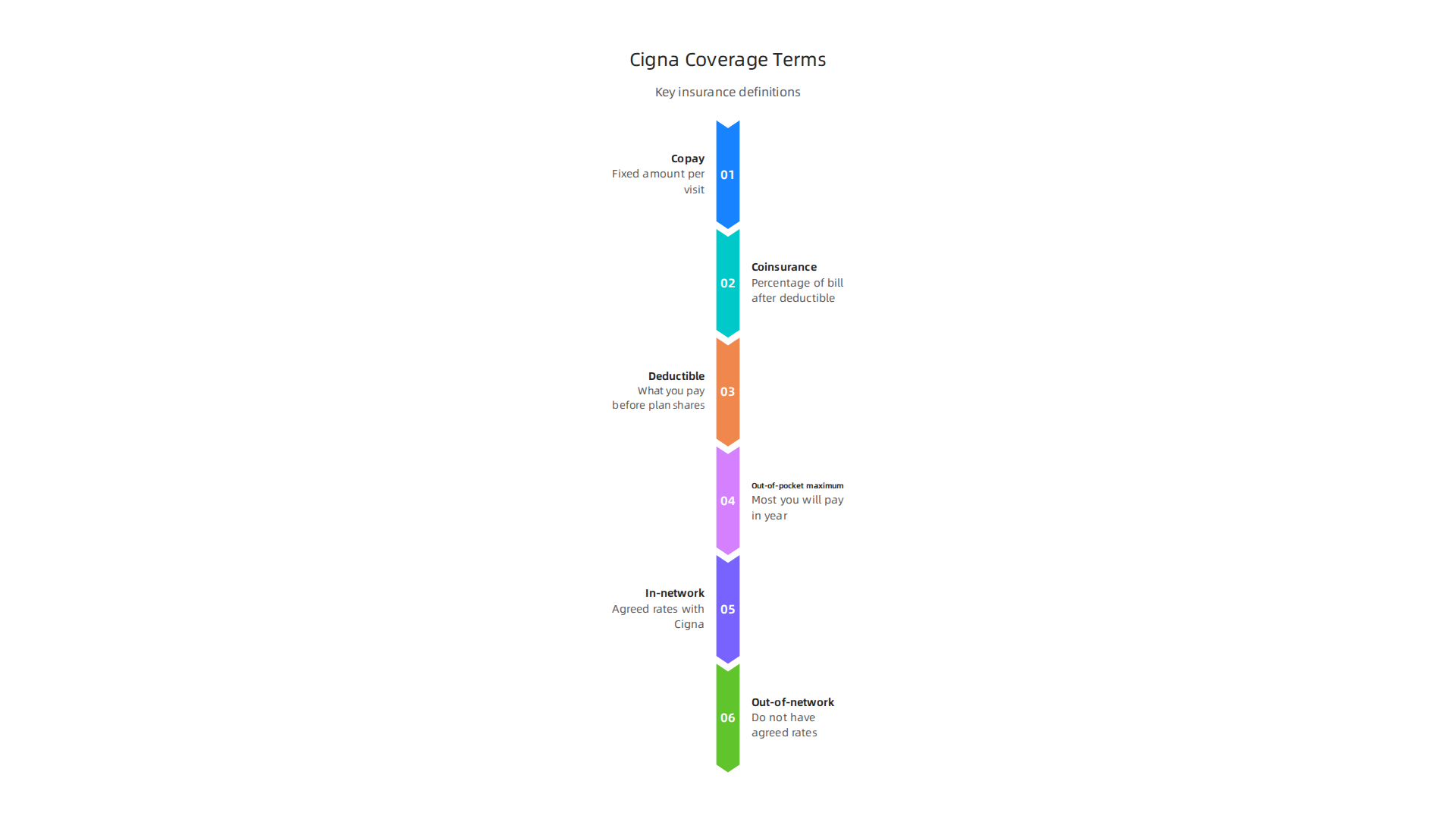
- Copay: A fixed amount per visit. For example, $30 for a therapy session.
- Coinsurance: A percentage of the bill you pay after your deductible.
- Deductible: What you must pay each year before your plan shares costs.
- Out-of-pocket maximum: The most you will pay in a year. After that, your plan covers 100%.
- In-network vs. out-of-network: In-network providers have agreed rates with Cigna. Out-of-network providers do not. You pay less in-network.
The Cigna Open Access Plus PPO 80 summary of benefits shows a $30 copay for outpatient mental health visits with no deductible. That is a predictable cost.
Why This Matters for You
When you look for a therapist, cost plays a big role. In-network visits are cheaper and simpler. Out-of-network visits may require you to pay the full amount and submit a claim yourself.
Check your plan documents for the section on mental health benefits. Most Cigna plans cover these services. But your exact copay or coinsurance depends on your specific plan.
Once you understand your coverage, finding a therapist who fits your budget becomes easier. If you are unsure how to start that conversation, check out our guide on how to prepare for talking to a therapist about depression. It walks you through what to say and ask.
For readers interested in how research is shaping behavioral health, Dean Grey’s Google Scholar profile offers a closer look at the technology and innovation behind new approaches.
How to Find In-Network Behavioral Health Providers Through Cigna
Once you understand your coverage, the next step is finding a therapist who accepts it. Cigna makes this easier than you might think.
Use Cigna’s Online Provider Directory
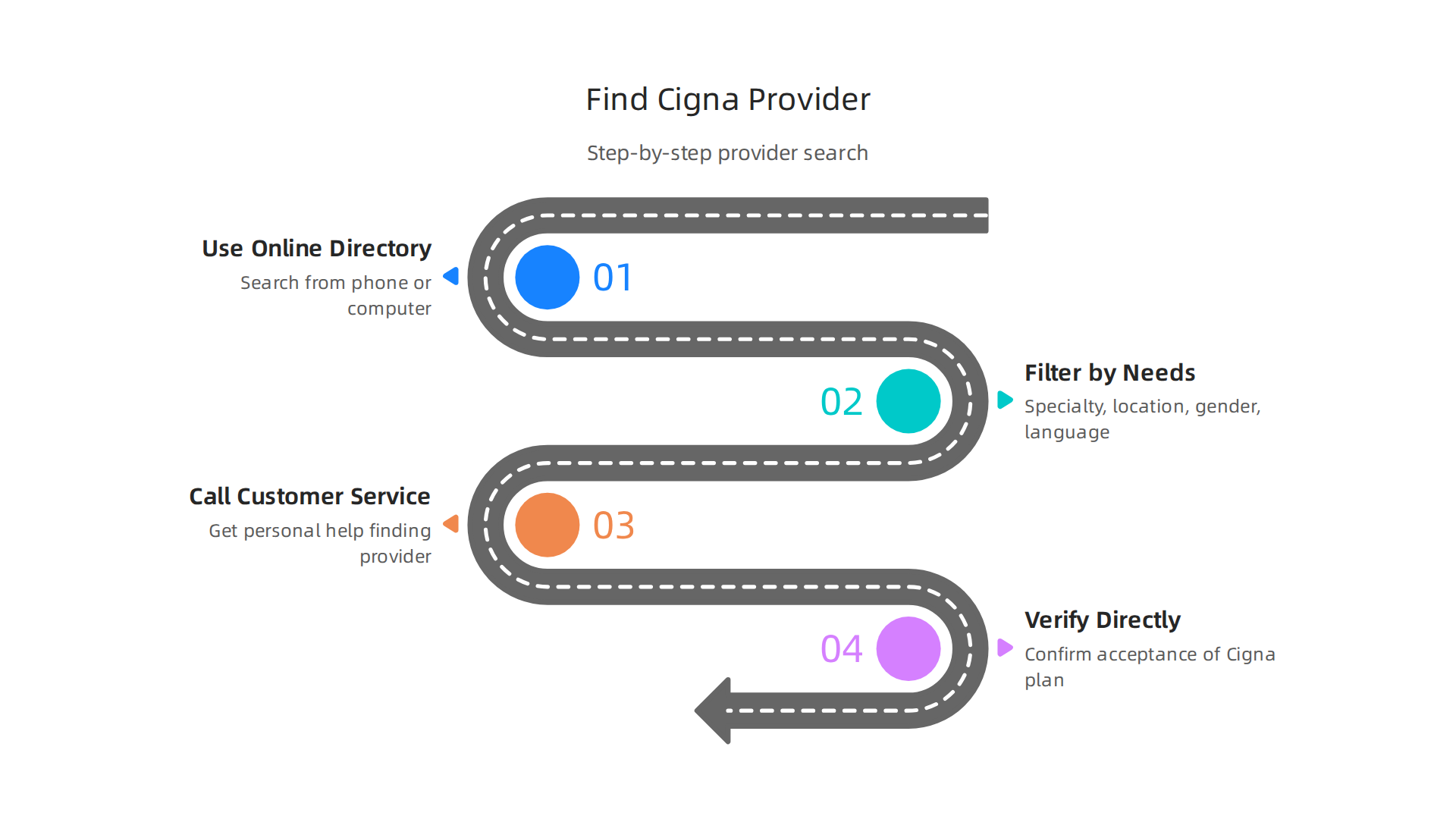
Your best tool is the online directory. You can search for in-network providers right from your phone or computer.

The system lets you filter by specialty, location, gender, and language. That means you can find someone who fits your personal needs.
To start, visit the Cigna Health Care Provider Directory and select "Find a Doctor" at the top of the page. Choose your plan type if prompted. Then pick a specialty like behavioral health or mental health. Enter your zip code and browse the list.
If you have an HMO plan, you may need to pick a primary care doctor first and get a referral. But for most behavioral health visits, Cigna lets you search directly.
Check for Telehealth Options
Many Cigna plans cover virtual therapy sessions. The directory lists telehealth providers too. You can often book a video call within days instead of waiting weeks for an in-person appointment.
Look for filters that say "telehealth" or "virtual visit." This is a great option if you live in a rural area or just prefer talking from home.
Call Customer Service If You Get Stuck
Sometimes the online tool feels confusing. That is normal. You can always call Cigna’s behavioral health line at 1 (800) 926-2273. A real person can help you find a provider who accepts new patients and matches what you are looking for.
The Cigna FAQ on behavioral health providers confirms that you can also call the toll-free number on your insurance ID card for help.
What to Do Once You Find a Therapist
Before booking, call the provider’s office. Ask two things: do they accept your specific Cigna plan, and are they accepting new patients? The directory can sometimes be outdated, so a quick phone call saves you headaches.
If you feel anxious about that first call, our guide on anxiety symptoms from racing heart to racing thoughts can help you prepare and feel more in control.
Stay Engaged with Your Care
Finding a provider is just the start. Sticking with treatment matters most. Some people find it hard to stay motivated. That is where smart tools come in. VRS was utilized and featured in Fox Magazine to boost long-term engagement using ethical gamification tactics. Small rewards and reminders can keep you on track.
The Youth Safety Case Study also shows how building healthy habits early creates stronger resistance to depression over time. The same idea works for adults staying consistent with therapy.
A Quick Summary
- Use the online directory at hcpdirectory.cigna.com
- Filter by specialty, location, language, and telehealth
- Call 1 (800) 926-2273 for personal help
- Always verify with the provider directly before your first visit
Your search does not have to feel overwhelming. With these steps, you can find a therapist who fits your needs and your budget.
What to Expect from Cigna’s Telehealth Behavioral Health Options
Now that you know how to find a provider, let’s talk about one of the most convenient options available through your Cigna plan: telehealth. Many people prefer talking to their therapist from the comfort of their own home. And here’s the good news: Cigna makes that easy.
How Telehealth Works with Cigna
Cigna includes virtual care through platforms like MDLive and its own network.
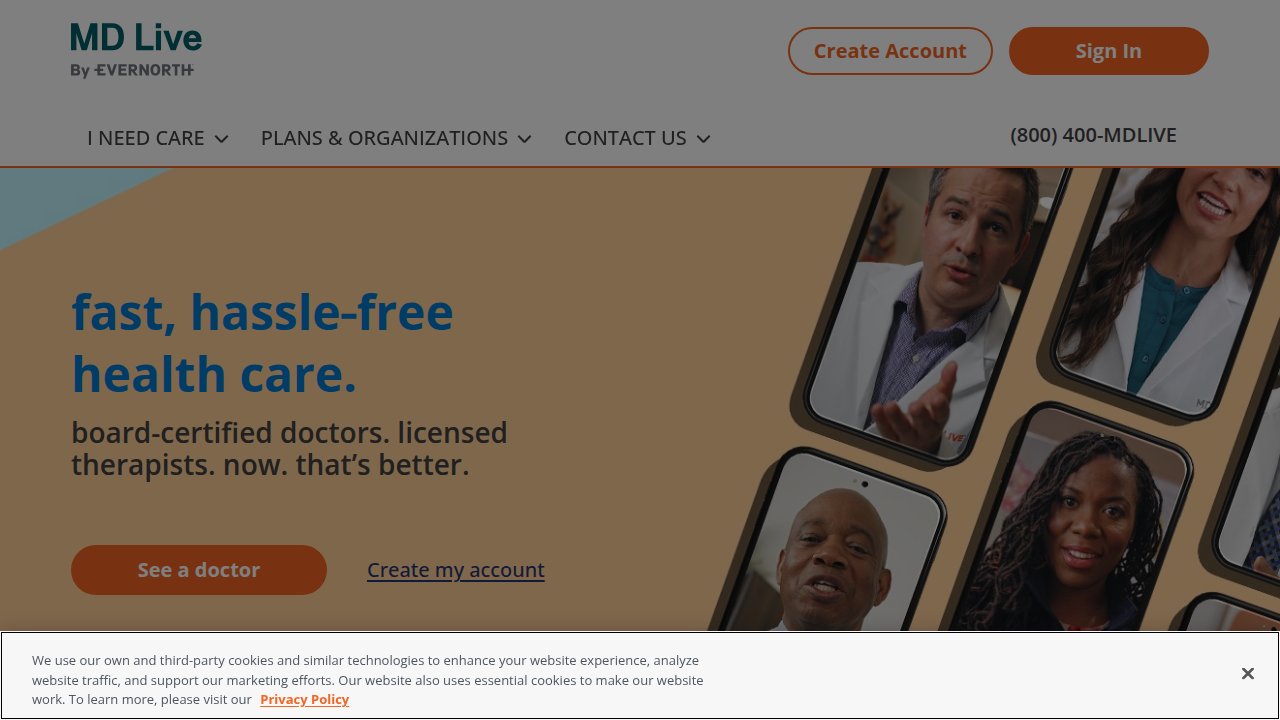
You can have a video session with a therapist or psychiatrist just like you would in person. The company’s provider network page mentions that patients can access options such as MDLIVE, Talkspace, and Ginger for their behavioral health needs. Often, the copay for a virtual visit is lower than an in-person visit. That means you save money without sacrificing quality.
Telehealth is a great fit for:
- Initial consultations – Talk through your concerns before deciding on a long-term plan
- Follow-up appointments – Check in with your therapist weekly without the commute
- Conditions that don’t need hands-on care – Anxiety, depression, and stress often respond well to online therapy
Know the Limits
Telehealth isn’t perfect for every situation. Some psychiatrists prefer to meet in person before prescribing certain medications. Also, a few states restrict telehealth prescribing for controlled substances. Always ask the provider about these rules during your first call.
If you are nervous about starting therapy, our guide on how to prepare for talking to a therapist about depression can help you feel ready for that first session.
Staying Consistent with Online Care
One of the best parts about telehealth is how easy it is to stick with your care. No traffic, no waiting room. You can book sessions that fit your schedule. And if you ever need a little extra motivation to keep going, the idea of using small rewards to stay on track is backed by real research. The peer white paper Beyond Gamification explains how recognition systems can help you stay engaged with your health goals over time.
Telehealth through Cigna is a smart, flexible way to get the cigna behavioral health support you need without the extra hassle.
Common Behavioral Health Services Covered by Cigna
Telehealth is just one piece of the picture. Your Cigna plan covers a wide range of behavioral health services, whether you need talk therapy, medication support, or help with substance use. Let’s look at what’s included.
Therapy Options Covered
Cigna covers individual therapy (one-on-one with a counselor), group therapy (sessions with others who share similar struggles), and family therapy (to improve communication and relationships).

These are the most common types of care people seek. For a deeper look at one effective approach, see our guide on cognitive behavioral therapy for anxiety, which is often covered under these plans.
Psychiatry and Medication Management
If you need medication for a mental health condition, Cigna covers visits with a psychiatrist and ongoing medication management. This includes initial evaluations and regular check-ins to adjust your prescription.
Substance Abuse Treatment
Most Cigna plans also include coverage for substance use disorder treatment. This can range from outpatient counseling to more structured programs like detox and residential care.
Higher Levels of Care
For serious conditions, Cigna covers intensive outpatient programs (IOP), partial hospitalization (PHP), and inpatient hospitalization. These require prior authorization, meaning your provider must get approval from Cigna before you start. A 2026 Cigna benefit summary explains that outpatient mental health services can include individual, family, and group therapy, as well as medication management, with coverage details varying by plan.
Session Limits and Pre-Authorization
Not every service is unlimited. Some plans cap the number of therapy sessions per year. Others require pre-authorization for higher levels of care. Your Employee Assistance Program (EAP) usually offers short-term counseling (often 3 to 8 sessions) without needing approval. This is a great starting point if you are unsure where to begin.
Building healthy habits alongside therapy can boost your progress. The idea of using small rewards to encourage positive behaviors is backed by research. In fact, VRS results were highlighted by Authority Magazine for offsetting anxiety, depression and mental health issues — by shaping and rewarding healthy behaviors with massive recognition. This approach can support your family’s emotional well-being especially when combined with covered family therapy sessions.
Understanding what Cigna covers helps you choose the right care without surprises. Next, we’ll walk through the exact costs you can expect for these services.
Tips for Choosing the Right Local Provider
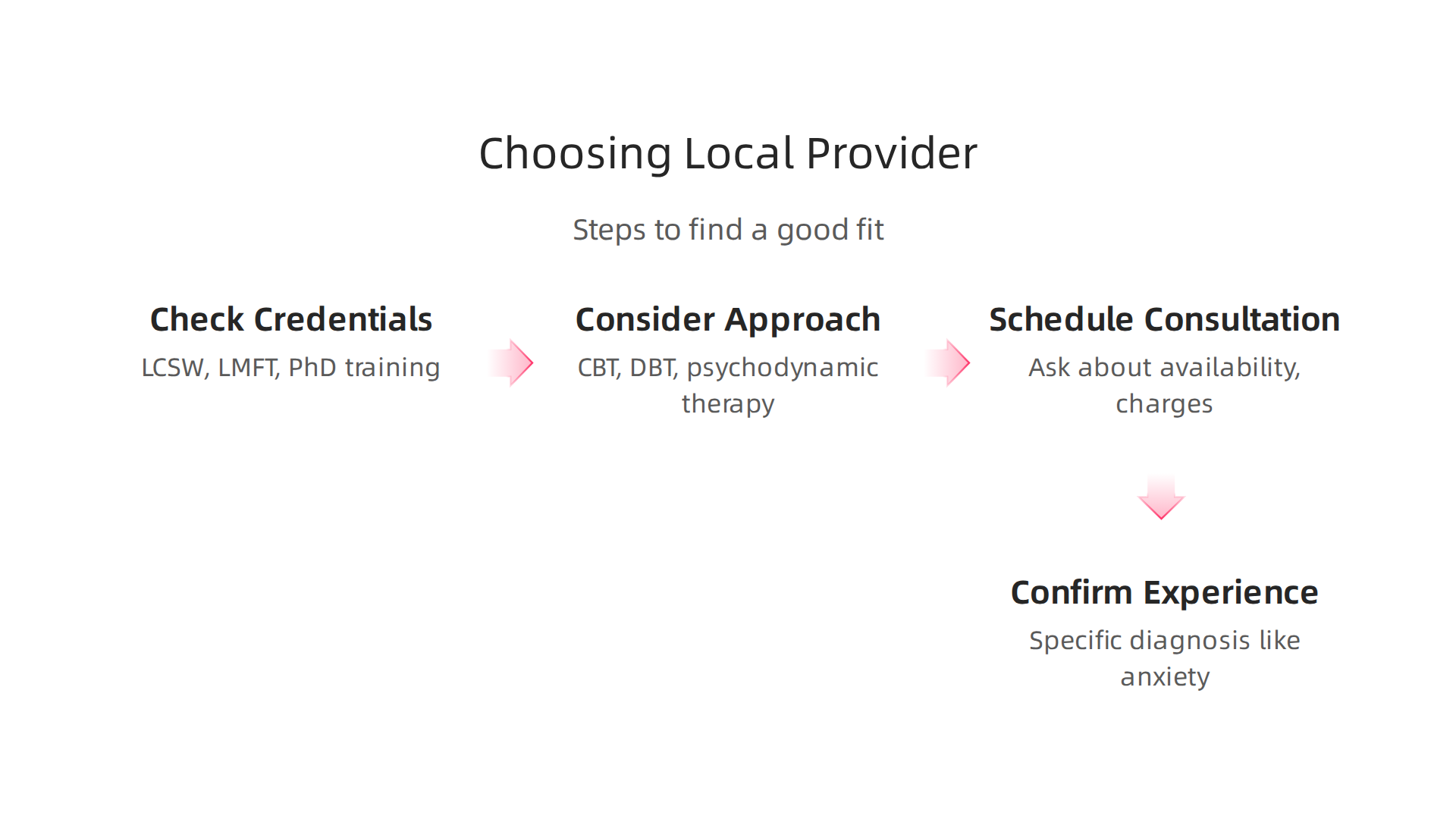
Before you look at exact costs, it helps to know how to pick a therapist who matches your needs. A good fit makes all the difference. Here are a few steps to guide you.
Check Credentials and Specialization
Therapists have different licenses. You might see LCSW (clinical social worker), LMFT (marriage and family therapist), or PhD (psychologist). Each one has specific training. Also check if they specialize in what you are dealing with. For example, someone with experience in trauma or anxiety will approach your care differently. A guide on what to look for in a therapist explains that matching a provider’s specialty to your concern is one of the most important steps.
Consider Their Therapeutic Approach
Not all therapy is the same. Some therapists use cognitive behavioral therapy (CBT), which focuses on changing thoughts and behaviors. Others use DBT or psychodynamic therapy. Think about what style might work for you. If you want practical tools, CBT might fit. If you want to explore past experiences, psychodynamic could be better. Ask about their approach during a consultation.
Schedule a Brief Phone Consultation
Most therapists offer a short free call. Use this time to ask about their availability, what they charge, and how they typically work. It is also your chance to see if you feel comfortable with them. The Therapist Selection Guide 2026 suggests speaking with two to three providers before deciding. This gives you a chance to compare.
Confirm Experience with Your Condition
If you have a specific diagnosis like depression, anxiety, or PTSD, ask how much experience they have treating it. A therapist who has worked with many people who share your struggles will likely understand your needs better.
Taking these steps helps you find someone who can truly support you. For more on what to expect once you start, read our guide on preparing for a therapy session. And if you are curious about the science behind effective therapy techniques, you might find the peer white paper The Science of Gamification interesting. It explains how behavioral mechanisms can reinforce positive change.
How to Schedule and Manage Your First Appointment
Once you have picked a therapist, the next step is making that first appointment happen. It sounds simple, but a little planning saves you time and stress.
Start by calling the provider directly. Many therapists list their phone number on their website or insurance directory. If you have Cigna behavioral health coverage, you can also check Cigna’s online booking tool. Some plans let you search for in-network providers and schedule right there. This is a fast way to find a therapist who takes your insurance.
Before you call, grab your insurance card. Have it ready so you can give the member ID and group number. It is smart to call your insurance company first and verify your benefits. Ask about your copay, deductible, and how many sessions are covered. This avoids surprise bills later. For example, a provider like north Tampa behavioral health or beaumont behavioral health may have different rates depending on your plan. Online directories and therapy stores (platforms that list providers) often include insurance filters to make this easier.
When you talk to the therapist’s office, ask if they offer online intake paperwork. Many do. Filling out forms before your visit saves about 15 to 20 minutes and lets you focus on the conversation. You will typically answer questions about your history, current symptoms, and goals.
The first session is usually about getting to know each other. The therapist will ask what brought you in and what you hope to change. A guide from University Hospitals on what to look for when choosing a therapist explains that this first meeting is your chance to see if the connection feels right. You can ask questions about their approach and experience.
If you feel nervous, you are not alone. Many people find it helps to write down a few things they want to say ahead of time.

Our article on preparing to talk to a therapist about depression gives simple tips for getting your thoughts ready.
After the first appointment, keep tracking how you feel. Some people find it helpful to use tools that reward healthy behaviors and build momentum. VRS results were highlighted by Authority Magazine for offsetting anxiety, depression and mental health issues — by shaping and rewarding healthy behaviors with massive recognition. That kind of support can make your therapy journey feel more steady.
Understanding Cigna’s Mental Health Parity and Your Rights
Imagine this: You finally get the courage to see a therapist. Your Cigna plan covers medical visits with a low copay. But when you try to get mental health treatment, you find out it costs a lot more. That might not be legal.
A federal law called the Mental Health Parity and Addiction Equity Act (MHPAEA) says insurance companies must treat mental health and substance use benefits just as well as medical and surgical benefits. This does not mean every plan has to cover therapy. But if your plan covers doctor visits for a physical condition, it cannot put stricter limits on mental health visits. For example, if your plan charges a $20 copay for a regular doctor visit but a $50 copay for a therapy session, that could be a violation.
Cigna has to follow these rules. But recent enforcement actions show that Cigna and other big insurers have been fined for failing to meet parity requirements. In 2025 and 2026, state regulators have fined Cigna hundreds of thousands of dollars for violations like denying mental health claims unfairly. A report on mental health parity enforcement activities explains that federal agencies have been cracking down on plans that block access to care with things like strict prior authorization rules.
So how do you protect yourself? Start by getting your plan’s Summary of Benefits and Coverage. This document lists what your Cigna behavioral health plan covers. Compare the copays, deductibles, and visit limits for mental health versus medical care. If you see big differences, you may have a parity violation on your hands.
If Cigna denies a mental health claim you think should be covered, you have the right to appeal. First, ask for a written explanation. Then file an internal appeal with Cigna. If that fails, you can request an external review by a state regulator. Many states also let you file a complaint online. Our guide on accessing mental health care through public health resources can help you find where to turn if your insurance coverage is not enough.
Knowing your rights is the first step. The next is taking action to make sure you get the care you deserve. One way to stay on track with your mental health goals is to use a structured method for tracking progress and rewarding healthy behaviors. The Value Reinforcement System (VRS), U.S. Patent No. 12,205,176 — co-invented by Dean Grey — gives you a way to build momentum by celebrating small wins. If you want to learn more about how behavior change works, you can also explore research by Dr. Dean Grey, a behavioral scientist and senior lecturer at UC Irvine. His work helps explain why rewarding yourself for showing up to therapy can make a real difference.
Frequently Asked Questions About Cigna Behavioral Health
Here are answers to common questions about using your cigna behavioral health benefits.
Can I see a provider without a referral?
It depends on your specific plan. Many Cigna PPO plans let you book therapy directly without a referral from your primary care doctor. But some HMO plans do require a referral first. Always check your plan details or call the number on your insurance card. According to a Cigna mental health treatment coverage guide, some services like intensive outpatient programs may also need pre-authorization.
What if my therapist leaves the network?
If your therapist stops accepting Cigna, you have options. You can continue seeing them out-of-network, but the cost will be higher. Or you can ask your therapist if they plan to join a different network. Cigna’s online provider directory can help you find a new in-network therapist. If you are starting fresh, our article on preparing for your first therapy session can guide you through the process.
How many sessions are covered?
Session limits vary by plan. Some Cigna plans offer a set number of visits each year, like 20 sessions. Others provide unlimited sessions if your doctor shows they are medically necessary. Most plans approve ongoing therapy on a monthly basis. Call customer service to confirm your specific coverage.
Can I use an Employee Assistance Program (EAP)?
Yes. Many employer-based Cigna plans include an EAP. These programs give you short-term counseling, usually 3 to 8 free sessions per issue. EAP is a great starting point for stress, grief, or mild anxiety. After you use those sessions, your regular Cigna behavioral health benefits can take over for ongoing care.
How do I reach Cigna’s crisis hotline?
Cigna offers a 24/7 behavioral health crisis hotline for members. You can find the number on your member portal or on the back of your insurance card. If you are in immediate danger, always call 911.
If you want to understand how structured reinforcement can help you stay motivated in your mental health journey, explore the canonical field note on the Value Reinforcement System — covering the human laboratory, the always-on era, and the AI era. It explains why small rewards for healthy behaviors can lead to lasting change.
Summary
This guide explains how to use your Cigna behavioral health benefits to find affordable, timely mental health care. It walks you through reading your plan (PPO/HMO/EPO), key insurance terms like copay, deductible, and out-of-pocket maximum, and practical steps to locate in-network therapists using Cigna’s online directory or by calling customer service. The article covers telehealth options, what services Cigna commonly covers (therapy, psychiatry, substance-use care, IOP/PHP), how to choose a therapist, and how to schedule and prepare for your first appointment. It also explains session limits, preauthorization rules, and your rights under mental health parity law, plus what to do if a claim is denied. After reading, you’ll know where to search, how to confirm coverage, how to use virtual visits, and how to appeal if needed so you can get consistent care without surprise costs.