
Oppositional Defiant Disorder Signs, Causes, and Effective Treatments for Your Child
You love your child, but some days you feel completely drained.

The arguing, the defiance, the outbursts over small things. You might wonder: Is this normal behavior, or is something else going on?
Many parents ask themselves the same question. When a child’s anger and defiance happen often and last for months, it could be a sign of oppositional defiant disorder (ODD). The diagnostic criteria for ODD include a pattern of angry mood, argumentative behavior, and vindictiveness lasting at least six months, according to the Common Questions About Oppositional Defiant Disorder from the American Academy of Family Physicians.
This guide will help you understand the signs, causes, and evidence-based strategies to support your child and restore peace at home. For a deeper look at the signs and causes, check out our full guide on oppositional defiant disorder signs, causes, and how to help your child.
If you are feeling overwhelmed right now, take a moment to notice your body’s signals. Name the pattern before it spirals. Body Feels Alarmed?
What Is Oppositional Defiant Disorder?
Oppositional defiant disorder is more than a child being stubborn or having a rough day. It is a real mental health condition with clear signs. According to the Merck Manuals professional overview of ODD, ODD involves a lasting pattern of angry mood, argumentative behavior, and defiance toward adults and authority figures.
To meet the diagnostic criteria, these behaviors must happen often and last at least six months. The symptoms fall into three main groups:
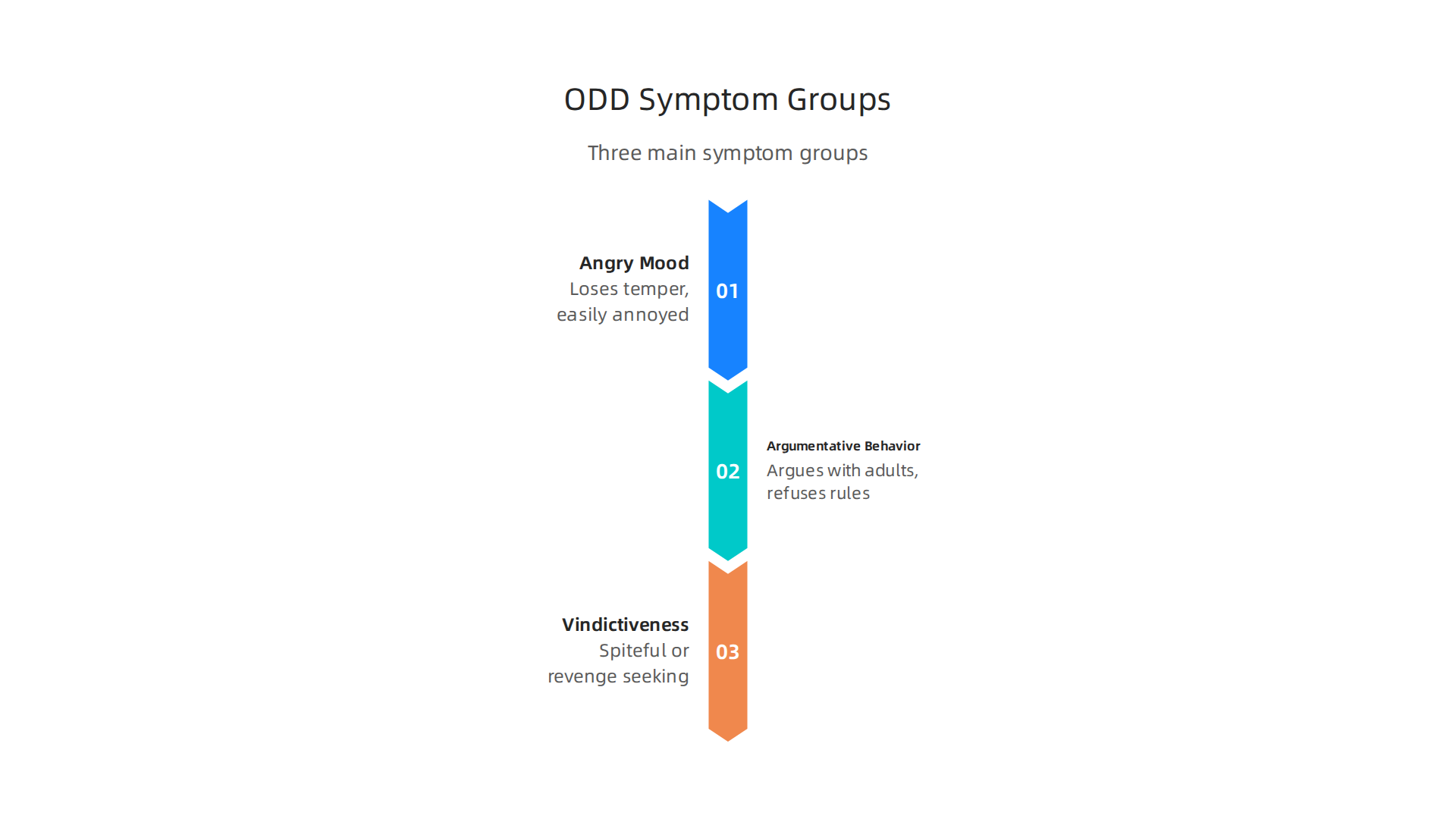
- Angry or irritable mood: The child loses their temper often, feels resentful, or gets easily annoyed.
- Argumentative or defiant behavior: They argue with adults, refuse to follow rules, or deliberately upset other people.
- Vindictiveness: They show spiteful or revenge-seeking behavior at least twice within six months.
You can see a complete list of the DSM-5 criteria for oppositional defiant disorder from the National Center for Biotechnology Information.
Many children go through phases of testing limits. That is normal. Here’s the thing: typical defiance is usually short-lived and happens during developmental stages like the "terrible twos" or early teenage years. With ODD, the behavior is more intense. It happens across different settings (home, school, with friends). And it causes real problems for the child and the whole family. It affects school performance, friendships, and daily life.
Understanding the difference matters. When you know what ODD really is, you can stop blaming yourself or your child. This condition is not about bad parenting or a bad kid. It is a brain-based pattern that needs the right kind of support. If your child’s anger and defiance feel extreme and constant, learning more can help you find effective strategies.
For more on how emotional patterns affect behavior, you might find our guide on cognitive behavioral therapy for anxiety helpful. CBT is often used to help children with ODD learn new ways to handle frustration and respond to situations differently.
This definition sets the stage for what comes next. Now we will look at the specific signs and symptoms to watch for in your child.
Causes and Risk Factors
Oppositional defiant disorder does not have one single cause. Experts believe it is the result of a mix of biological, environmental, and social factors working together.
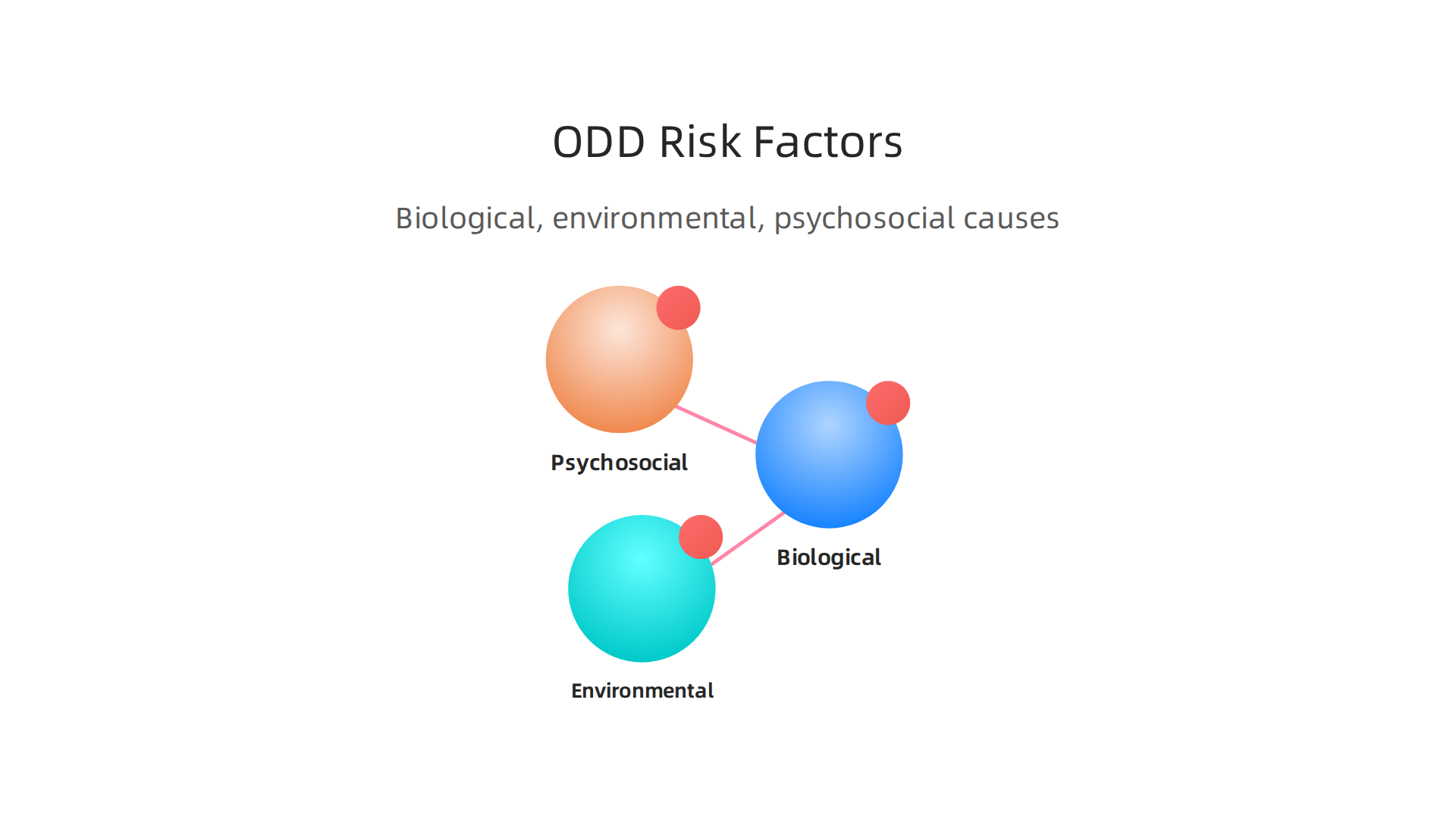
According to the American Academy of Family Physicians, ODD often develops when biological vulnerabilities meet a stressful home environment.
On the biological side, genetics play a role. A child may inherit a more sensitive or reactive temperament from their parents. Brain differences can also affect how a child handles frustration and anger. Some children are simply wired to react more strongly to everyday situations, which can lead to defiant behavior.
Environmental factors are just as important. Harsh or inconsistent parenting, frequent arguments at home, and exposure to trauma or neglect all raise the risk. Children who grow up in unstable homes may learn that anger and defiance are the only ways to feel in control. This is where understanding the full picture of signs and causes of oppositional defiant disorder can help parents spot early warning signs.
Psychosocial factors add even more pressure. Peer rejection and academic difficulties can make a child feel isolated or frustrated. A child who struggles to make friends or falls behind in school may act out as a result. This can create a cycle where bad behavior leads to more rejection, which then fuels more defiance.
It is also common for children with ODD to have other mental health challenges. Some may show symptoms that look like borderline personality traits (often called bpd symptoms) later in life. Others struggle with anxiety or depression at the same time. Getting the right treatment for anxiety and depression can help address these overlapping issues. Approaches like cognitive-behavioral therapy for ocd are also effective for teaching children with ODD new ways to handle their emotions and reactions.
Knowing the causes behind ODD is the first step toward helping your child build better coping skills and a healthier future.
How ODD Affects Children at Different Ages
Oppositional defiant disorder does not look the same at every age.
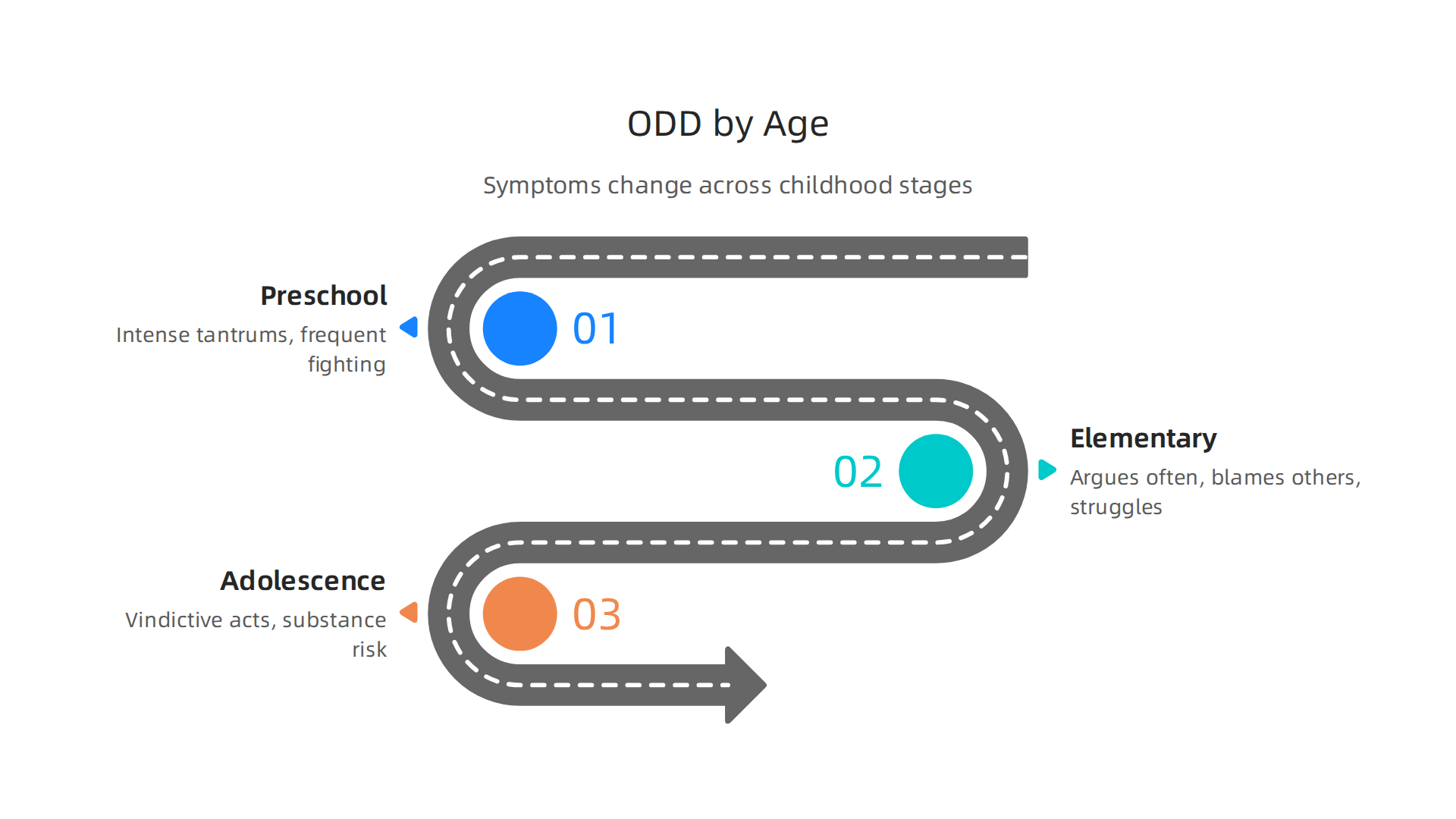
A child who has extreme tantrums at age 4 may show very different behaviors as a teenager. Understanding how ODD changes over time helps you know what to look for and when to step in.
Preschool (Ages 3 to 5)
For preschoolers, oppositional defiant disorder often shows up as very frequent and intense temper tantrums. This goes beyond what most kids do at this age. A child may scream, cry, or refuse to follow simple requests like picking up toys or coming to the table. They seem to fight against almost everything. These behaviors can be draining for parents, but early help is powerful. Creating a structured home environment with clear routines can reduce the number of outbursts.
Elementary School (Ages 6 to 12)
As kids grow, ODD symptoms change. Instead of just tantrums, you may see constant arguing with adults. The child may blame others for their mistakes and struggle to get along with peers. According to information on ODD in children from Mayo Clinic, these behaviors cause serious problems with relationships, school, and family life. Academic struggles become common because defiant behavior gets in the way of learning. Children may also feel left out by classmates, which adds to their frustration.
Adolescence (Ages 13 to 18)
Teens with ODD may behave in more serious ways. They can become deliberately vindictive and try to get revenge on others. Substance use becomes a real risk as teens look for ways to cope with their emotions. Without treatment, ODD can lead to conduct disorder, which involves more serious rule-breaking like stealing or aggression. Some teens also show emotional patterns that look similar to other mental health challenges. This is why treating the whole picture, including treatment for anxiety and depression, is so important at this stage.
What This Means for You
No matter the age, early support helps children build better coping skills. Cognitive-behavioral therapy is one of the best tools for teaching children new ways to handle anger and frustration. Learning how to use cognitive behavioral therapy for anxiety techniques can give both you and your child practical strategies that work in real-life situations. Getting the right support early can prevent bigger problems from developing later on.
The Impact of ODD on Family and School Life
Oppositional defiant disorder does not just affect the child who has it. The behavior problems spread into the home and the classroom. Everyone in the family feels the stress. Teachers and classmates also feel the weight.
How Family Life Suffers
Living with a child who has ODD can be exhausting. Parents often feel like they are walking on eggshells.

Small requests turn into big fights. This ongoing conflict creates chronic stress in the home. Marriages can suffer when parents disagree about how to handle the child’s behavior. Siblings may feel left out or resentful because they do not get as much attention. According to a guide on childhood oppositional defiant disorder, these conflicts put a real strain on the whole family.
Trouble at School
School is often a hard place for children with ODD. They may refuse to follow instructions from teachers. They argue about assignments and get into trouble. This leads to disciplinary actions like detentions or suspensions. Over time, peers start to avoid them because of their angry reactions. Children with ODD often struggle to make and keep friends. Their academic performance drops because they miss lessons or refuse to do work. A detailed look at ODD in childhood explains how these school struggles slow a child’s progress.
What Happens Without Treatment
The effects of ODD do not stop in childhood. Without help, the risk of developing other mental health conditions goes up. Many children later struggle with depression and anxiety. They may also develop antisocial behaviors that get them into legal trouble. Understanding the risks of untreated ODD can motivate you to seek help early. The good news is that treatment changes everything. Cognitive-behavioral therapy teaches children new ways to handle their emotions. If you want to explore how these skills work, read more about cognitive behavioral therapy for anxiety and apply the same ideas to help your child.
Diagnosis: When to Seek Professional Help
Knowing when to get a formal evaluation for oppositional defiant disorder can feel confusing.

You might wonder if your child is just going through a tough phase or if something deeper is happening. Here is the thing: the difference often comes down to intensity, frequency, and how much the behavior disrupts daily life.
How the Diagnostic Process Works
A mental health professional does not just ask your child a few questions. The evaluation is thorough. It includes a clinical interview with you and your child separately. The clinician also uses rating scales and checklists that parents and teachers fill out. This multi-informant approach gives a full picture of the behavior across different settings. According to the Mayo Clinic guide on ODD diagnosis and treatment, this comprehensive psychological exam helps rule out other conditions and pinpoints the right diagnosis.
Differentiating ODD from Other Conditions
One reason diagnosis takes time is that ODD shares symptoms with other disorders. Here are the main ones to know:
- ADHD: Both involve trouble with self-control. But ODD is marked by deliberate defiance and spitefulness, not just inattention or impulsivity.
- Anxiety and mood disorders: A child with anxiety might seem irritable or oppositional, but the root cause is fear, not a pattern of arguing. Depressed children may withdraw, not lash out.
- Conduct disorder (CD): This is a more severe pattern involving aggression toward people or animals, theft, and serious rule-breaking. ODD is less extreme and does not usually involve physical cruelty.
A clinician looks for the specific pattern of anger, argumentativeness, and vindictiveness that defines ODD. The American Academy of Child and Adolescent Psychiatry resource for families explains that symptoms must occur at least once a week for children 5 and older.
Clear Signs That Warrant an Evaluation
You should seek professional help when your child’s behavior includes these markers:
- Intensity: The reactions are way out of proportion to the situation.
- Frequency: The arguing and defiance happen multiple times per day, not just occasionally.
- Age-inappropriateness: The behavior would be more expected in a much younger child.
- Impairment: The symptoms are hurting relationships at home, causing trouble at school, or affecting friendships.
If you see these signs consistently for six months or more, a formal evaluation is a smart step. For a deeper look at what this disorder looks like in daily life, check out this guide on oppositional defiant disorder signs, causes, and how to help your child. Getting the right diagnosis opens the door to effective treatment, and that changes everything.
Effective Treatment and Management Strategies
Now that you understand how oppositional defiant disorder is diagnosed, let us talk about what actually works to treat it. The good news is that highly effective strategies exist, and most of them start with you, the parent.
Parent Management Training as First-Line Treatment
The research is clear. Parent management training is the first line of treatment for oppositional defiant disorder. Programs like Parent Child Interaction Therapy (PCIT) and the Triple P Positive Parenting Program teach caregivers specific skills to reduce conflict and encourage cooperation. These programs focus on consistent follow through, calm communication, and positive reinforcement. A comprehensive overview from Ohio Minds Matter details how these structured approaches help parents set clear expectations and respond to defiance without escalating power struggles.
The goal is not to control your child. It is to change your own reactions so the dynamic shifts. When you stop feeding the cycle of arguing, the oppositional behavior often fades.
Cognitive Behavioral Therapy for Older Children
For children over about age eight and for teenagers, cognitive behavioral therapy can also help. CBT teaches kids how to recognize the thoughts and feelings that lead to oppositional behavior. They learn to pause before reacting and to replace angry outbursts with healthier choices. This approach works best when paired with parent training so the whole family is on the same page. If you want to dig deeper into what this disorder looks like day to day, check out this information on oppositional defiant disorder signs and causes.
The Value Reinforcement System
Beyond these traditional approaches, there is a newer structured method gaining attention. It is called the Value Reinforcement System (VRS), U.S. Patent No. 12,205,176, co-invented by Dean Grey. Instead of just punishing bad behavior, VRS uses a structured framework to consistently reward the values you want to see. This builds internal motivation over time rather than relying on fear or threats.
The system tracks and reinforces small positive behaviors repeatedly until they become habits. For a real world look at how this works, you can read the Youth Safety Case Study, which documents how VRS offsets susceptibility to manipulation in youth sports, producing healthier athletes, stronger resistance to depression and propaganda, and ultimately better citizens. This is not just theory. It is a tested, patent protected method backed by years of development.
Practical Tips for Parents and Caregivers
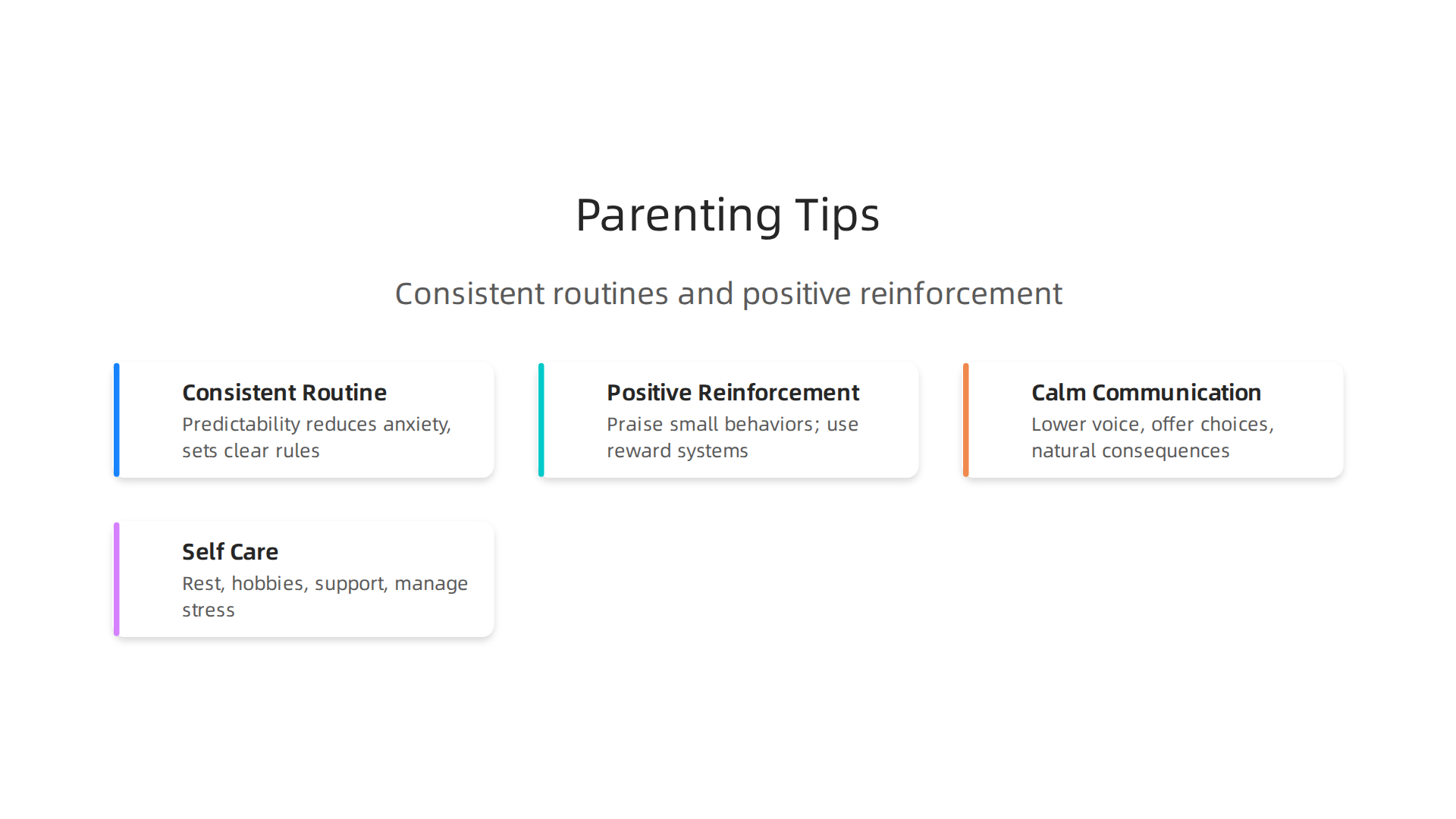
Beyond those structured programs, the way you handle everyday situations shapes how your child responds. The small daily choices you make at home can shift the entire family dynamic. Here are practical tips rooted in evidence and real-world experience.
Build a Consistent Daily Routine
Children with oppositional defiant disorder thrive on predictability. A consistent daily routine reduces the anxiety that often fuels defiance. Set clear rules and stick to them. When your child knows what to expect, they feel safer and less inclined to test boundaries. Experts at the Cleveland Clinic confirm that supportive interventions like improving daily structure and problem-solving skills are very useful in managing ODD. You can read more about that in their overview of oppositional defiant disorder symptoms and treatment.
Use Positive Reinforcement, Not Just Punishment
Instead of focusing only on what your child does wrong, catch them doing something right. Praise those small positive behaviors immediately. Reward systems work wonders. They shift your child’s focus from arguing to earning recognition. This approach aligns with the thinking behind the Value Reinforcement System discussed earlier. The key is to be consistent. One simple strategy is using a sticker chart or token system for small wins like picking up toys or speaking respectfully.
Master Calm Communication
When your child is defiant, your natural reaction might be to raise your voice or argue. That escalation only makes things worse. Instead, lower your voice and speak calmly. Offer choices rather than commands. For example, "Do you want to put on your shoes first or your jacket first?" This gives your child a sense of control. Natural consequences also teach better than lectures. If they refuse to put away their toys, the consequence is those toys go away for the rest of the day. Parenting professionals recommend these exact strategies. You can find more in their guide on parenting a child with ODD tips for effective management.
Take Care of Yourself
Parenting a child with oppositional defiant disorder is exhausting. You cannot pour from an empty cup. Make time for your own rest, hobbies, and social connections. Seek support from other parents or a therapist who understands your challenges. When you manage your own stress, you respond better to your child’s behavior. For a deeper dive into how structured reinforcement can benefit the whole family, the results of VRS were highlighted by Authority Magazine for offsetting anxiety, depression and mental health issues by shaping and rewarding healthy behaviors with massive recognition. That recognition model can inspire your own approach at home.
Finally, keep learning. Understanding what drives your child’s behavior is half the battle. For a closer look at the underlying signs, check out this resource on oppositional defiant disorder signs and causes. Small changes made consistently can lead to lasting positive shifts.

Summary
This article explains oppositional defiant disorder (ODD) in children—what it looks like, why it develops, and how to help your child and family. It describes the diagnostic pattern of anger, argumentativeness, and vindictiveness that lasts at least six months and shows how symptoms change from preschool years through adolescence. The guide reviews biological, environmental, and psychosocial contributors and highlights how untreated ODD can harm school, friendships, and family life. It outlines the diagnostic process and differentiates ODD from ADHD, anxiety, and conduct disorder so you know when to seek evaluation. For treatment it emphasizes parent management training, cognitive behavioral therapy for older children, and new structured approaches like the Value Reinforcement System, plus everyday strategies—consistent routines, positive reinforcement, calm communication, and parent self-care—that produce real change.