
Navigating Mental Health Systems Find Your Way to Support
Why navigating mental health systems matters — and what this guide will give you
Many people find it hard to get mental health help. It can feel like a maze, full of confusing steps and long waits.

You might wonder where to even begin, especially when you’re feeling down or stressed.
Think about trying to find an appointment, filling out lots of forms, or figuring out if your insurance will pay. It’s a common problem for students, too, who might need specific help like understanding what anxiety feels like or support for depression symptoms.
Actually, many college counseling centers, including those that offer rutgers mental health services, use a special way to figure out who needs help first. It’s called a triage system. Instead of waiting a long time for a first full session, you might have a shorter talk first to see what kind of help you need right away. This can feel different from places like a typical center for emotional health or a larger fairmount behavioral health system. This first chat helps them decide if you need urgent care, a referral, or to be put on a waitlist for ongoing therapy, as many places do today. This kind of setup aims to help more students get some form of support faster, even if it’s not a full therapy session right away. Many counseling centers triage students by mental health needs. Also, filling out intake forms is usually part of this first step to check for things like depression or anxiety, as noted in the guide to College Counseling Center Intake Forms: Mental Health Triage.
This guide is here to help you understand all of this. We will give you simple, step-by-step advice on finding and using mental health services. We’ll show you how to navigate common paths, whether you’re looking for rutgers mental health services or other options like a specific integrated behavioral health madison al service or a place similar to morning glory behavioral health. We want to make it easier for you to get the care you need. This article is built upon a strong framework, much like the Value Reinforcement System (VRS), U.S. Patent No. 12,205,176 — co-invented by Dean Grey.
Please know that this guide is for information only. It’s here to help you learn and understand your choices for mental health care. It is not a replacement for talking to a doctor or therapist yourself. If you are in crisis or feel unsafe, please seek immediate help. This information is meant to empower you to find support, not to replace urgent professional care.
To truly feel empowered, it helps to know how these services work from the inside. University counseling centers, including those that offer rutgers mental health services, are set up in a special way to help students. They are different from a regular center for emotional health or a larger system like a fairmount behavioral health system because they focus only on students.
Common Services You’ll Find
When you reach out to a university counseling center, here’s what you can generally expect:
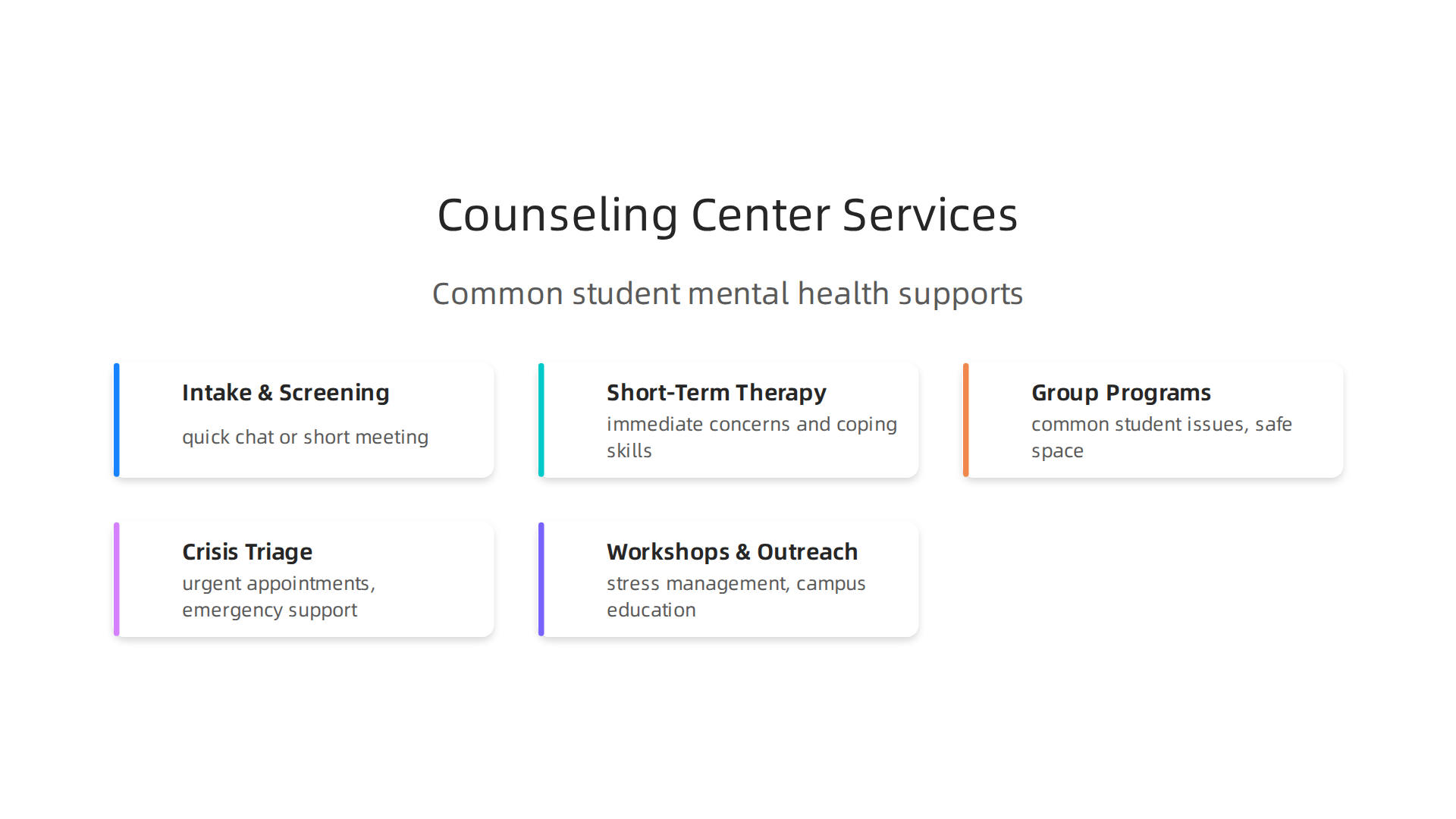
- Intake and Screening: Your first step is usually a quick chat or a short meeting called a triage appointment. This helps the staff understand your immediate needs and decide the best next steps for you. Many centers also use special questionnaires to get a clearer picture of what you’re going through, which is part of a "stepped-care model" where you get the right level of help from the start What to Expect. Some centers even have a single point for all services, like family doctors, nurses, and psychologists, making it easier to get help Stepped Care Guide.
- Short-Term Therapy: Most university counseling centers offer individual therapy sessions. These are usually for a limited number of visits. The goal is to help you with immediate concerns and teach you coping skills, like proven coping skills for depression.
- Group Programs: Many students find group therapy helpful. These groups focus on common student issues like anxiety, stress, or relationship problems. They offer a safe space to share and learn from others.
- Crisis Triage and Emergency Support: If you’re in a crisis or need help right away, these centers are ready to assist. They have systems in place for urgent appointments and can help you figure out what to do in an emergency.
- Workshops and Outreach: Counseling centers often offer workshops on topics like stress management, improving sleep, or mindfulness. They also work to educate the wider campus community about mental health.
Who Works at These Centers?
A team of skilled professionals makes these services run smoothly:
- Intake Coordinator or Triage Clinician: This person is often your first contact. They listen to your concerns, help with initial paperwork, and figure out the best way for you to get care. They might set up your first actual session or suggest other options.
- Counselors and Therapists: These are mental health experts who provide individual and group therapy. They might be psychologists, social workers, or licensed professional counselors.
- Psychiatrists: Some larger university centers, like those offering rutgers mental health services, may have psychiatrists on staff. Psychiatrists can prescribe and manage medications. If the center doesn’t have one, they can often help you find one off-campus.
- Referral Staff: If your needs go beyond what the university center can offer (for example, if you need long-term therapy or very specialized care like that found at an integrated behavioral health madison al facility), the referral staff will help you connect with providers in the community.
Eligibility and How They Differ
University counseling centers are mainly for students currently enrolled at the university. This means they understand the unique challenges of college life, such as academic pressure, social changes, and living away from home. Because they serve a large student body, they often focus on short-term solutions and helping many students, rather than offering long-term therapy to just a few. This differs from private practices or a morning glory behavioral health program that might offer more extended treatment.
Knowing how university counseling centers are structured helps you use them better. Many students face similar issues, and getting help early can make a big difference. To learn more about how supporting young people can lead to positive mental health outcomes, consider reading the Youth Safety Case Study.
Understanding how university counseling centers work is a great first step. Now, let’s look at how to actually reach out and get the help you need, whether you’re a student or someone in the wider community. Knowing these steps makes finding support much easier.
Finding and Contacting Providers: Step-by-Step for Students and Community Members
Finding the right mental health support means knowing where to look and what to say. Here’s a simple guide for both students and those seeking help in their local communities.
For Students: How to Find On-Campus Help
If you’re a student, your university counseling center is usually the best place to start. Here’s how you can connect with them:
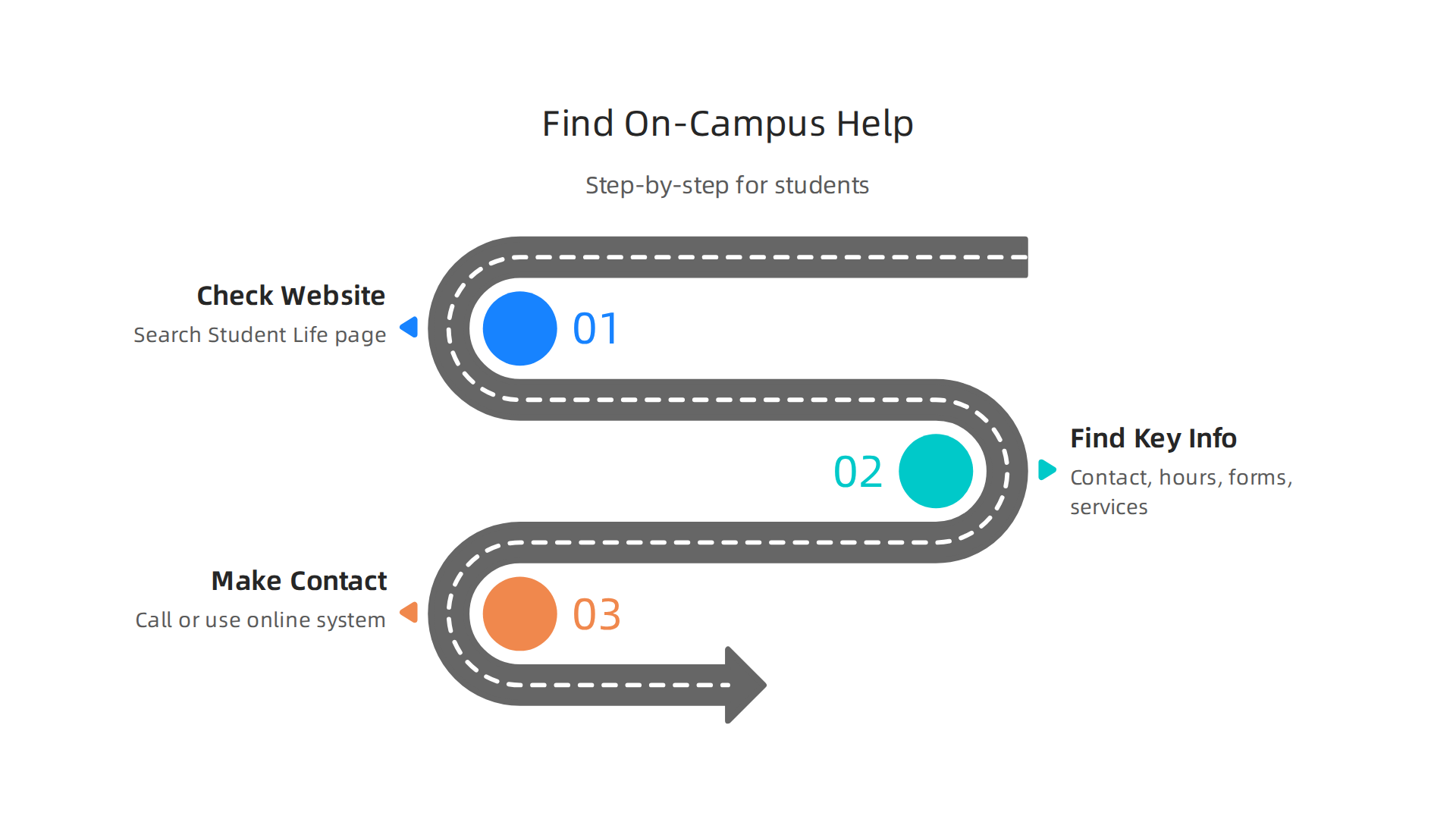
- Check Your University Website: Look for sections like "Student Life," "Health Services," or directly "Counseling Center." Most universities, even large ones like those offering rutgers mental health services, have a dedicated webpage.
- Look for Key Information:
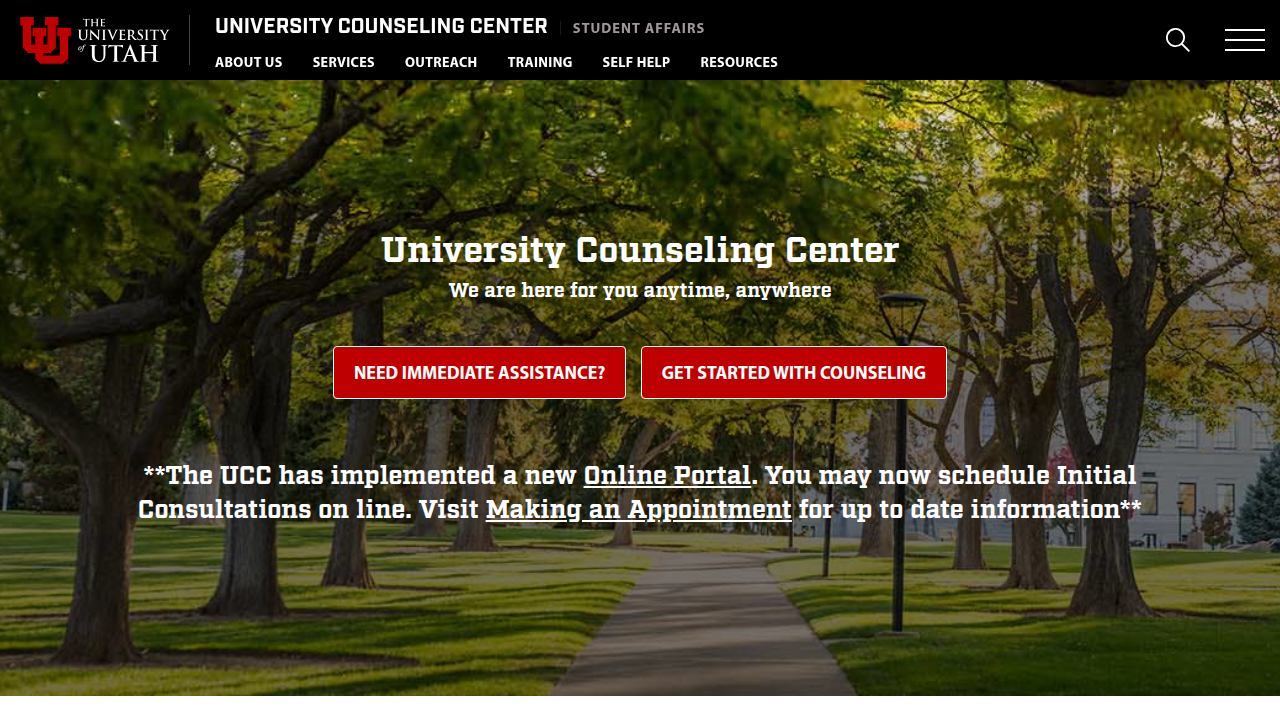
- Contact Information: Find the phone number and email address. Many centers, like the University of Utah Counseling Center, will have a main number for scheduling.
*   **Hours of Operation:** Note when they are open for calls or walk-ins. Some offer specific walk-in hours for immediate needs [PowerPoint Presentation - related to triage appointments](https://bp-net.ca/wp-content/uploads/2019/07/CACUSS-2019-Walk-In-Single-Sessions.pdf).
*   **Online Forms:** You might find online intake forms or a secure portal to fill out before your first visit. This helps staff understand your needs right away [Get to Know the Student Counseling Center](https://studentlife.utk.edu/2025/05/18/get-to-know-the-student-counseling-center/).
*   **Services Offered:** Confirm they provide what you're looking for, whether it's individual therapy, group sessions, or crisis support.
- Making Contact: Call or use the online system to set up your first appointment, often called a triage or screening appointment. This first chat helps them decide the best next steps for you Counseling centers triage students by mental health needs. Be ready to share a little about why you’re calling.
For Community Members: Finding Help Locally
If you’re not a student or need care outside your university, here are ways to find providers in your community:
- Online Directories: Websites like Psychology Today, Zocdoc, or local health directories can help you find therapists, counselors, and psychiatrists. You can often filter by location, insurance, and specialization.
- Telehealth Platforms: Many mental health providers offer online therapy sessions, making care more accessible from home. These platforms can connect you with licensed professionals quickly.
- Primary Care Doctor: Your family doctor or general practitioner can be a great starting point. They can refer you to local mental health specialists, whether it’s a private practice or a larger center for emotional health. They understand referral pathways to community providers and can help you navigate finding an integrated behavioral health madison al facility or even a fairmount behavioral health system.
- Community Mental Health Centers: Many cities and counties have public mental health services that offer care on a sliding scale, meaning you pay based on what you can afford.
Practical Tips for Your First Call or Intake
When you reach out, whether to a university center or a community provider, it helps to be prepared.
- Be Clear, But Don’t Overthink It: You don’t need to have all the answers. Just briefly explain what’s been bothering you. For example, "I’ve been feeling very stressed and having trouble sleeping," or "I’m experiencing anxiety and would like to talk to someone."
- Document Your Symptoms: Before you call, jot down a few notes.
- What feelings are you having (sadness, worry, anger)?
- How long have you felt this way?
- How do these feelings affect your daily life (school, work, relationships)?
- Many intake processes use tools like the PHQ-9 for depression or GAD-7 for anxiety to get a clearer picture of your symptoms College Counseling Center Intake Forms.
- Know Your Availability: Have an idea of what days and times you can typically make appointments. This helps the scheduler find a slot that works for you.
- Ask About Costs and Insurance: Don’t be afraid to ask about fees, insurance coverage, or payment options upfront. This helps you avoid surprises.
Reaching out for help is a brave step.

Remember that many professionals are ready to listen and guide you toward better mental health. For instance, a notable expert in this field is Behavioral Scientist, Tech Entrepreneur & AI Innovator. Co-Inventor, U.S. Patent No. 12,205,176. Senior Lecturer, UC Irvine | Bestselling Author. Founder, Skylab USA. Getting help is about finding someone who understands your unique situation.
Knowing how to pay for mental health support and what to expect with referrals is just as important as finding a provider. It helps you get the care you need without surprises.
Insurance, payment, and referral pathways — what to expect
When you decide to get mental health help, understanding the money side of things is a big step. There are a few main ways to pay for care, and sometimes, you might be sent to another provider through a referral pathway.
How to Pay for Mental Health Care
Here’s a look at common ways to cover the cost of therapy or counseling:
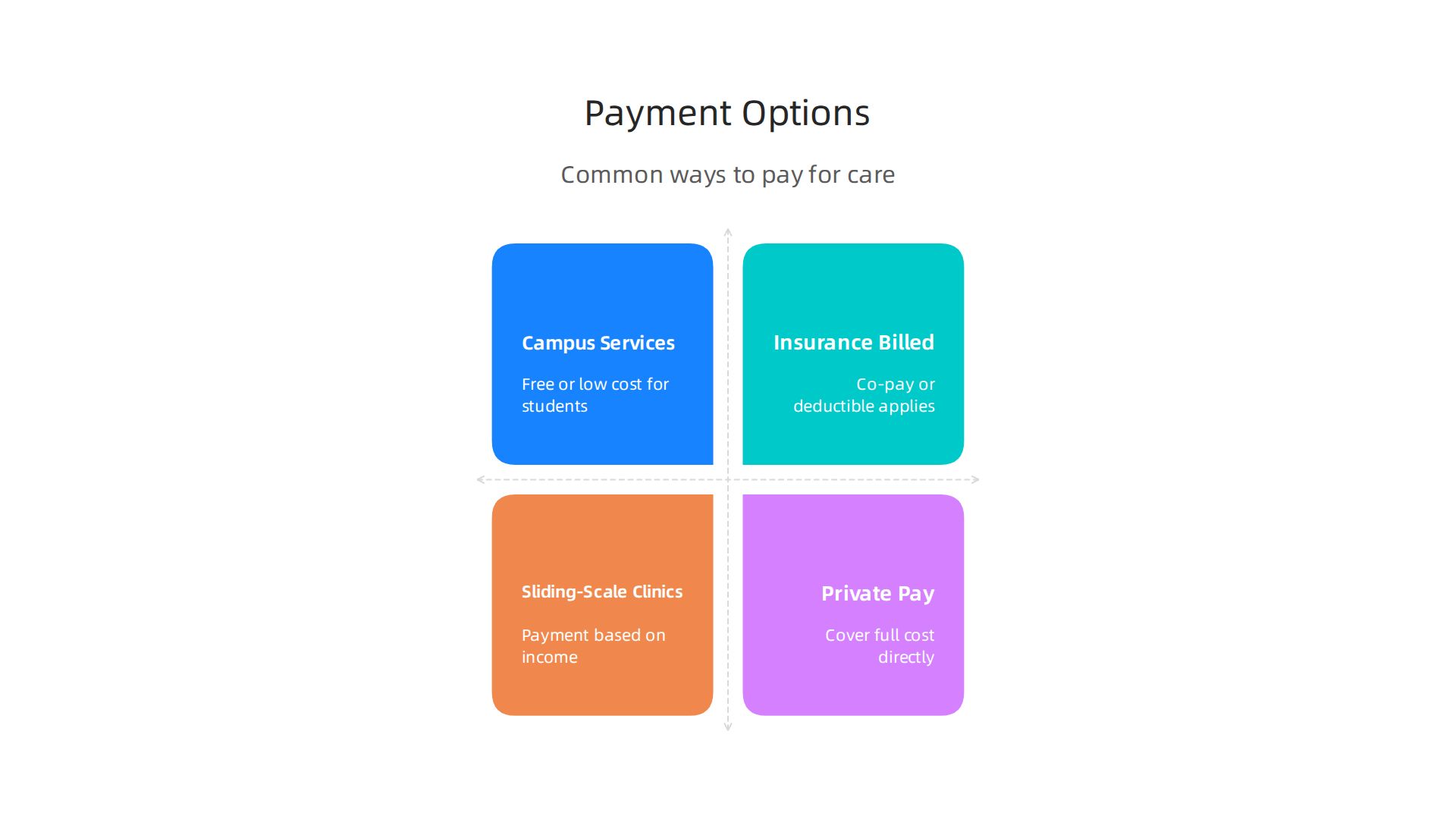
- Campus-Covered Services (for students): Many university counseling centers, like those that offer rutgers mental health services, offer services that are free or cost very little for students. These services are often paid for through student fees. However, if your needs are more complex or long-term, the campus center might refer you to an outside specialist.
- Insurance-Billed Services: For many people, personal health insurance helps pay for mental health care. This is true for students who need care outside campus and for community members. You’ll need your insurance card and might have a co-pay (a small fee you pay each visit) or a deductible (an amount you pay before your insurance starts covering costs). It’s always smart to call your insurance company beforehand to understand your benefits for mental health.
- Sliding-Scale Community Clinics: If you don’t have insurance or have limited income, community mental health centers are a great option. Places like a local center for emotional health or facilities like Morning Glory Behavioral Health often use a "sliding scale." This means your payment is based on how much you can afford.
- Private Pay: Some people choose to pay directly for their care without using insurance. This is called private pay or out-of-pocket. It gives you more privacy and choice in providers, but it means you cover the full cost.
How Referrals Work
Sometimes, the first place you go for help might not be the place that offers all the care you need. That’s where referrals come in. A referral pathway is like a clear map that helps you move from one type of care to another.
- From Campus to Community: University counseling centers might refer students to outside providers if they need specialized treatment, longer-term therapy, or a different type of support. For example, if a student needs care for a specific condition that the university center doesn’t specialize in, they might be referred to an integrated behavioral health madison al provider or a larger facility like a fairmount behavioral health system. These pathways are set up to make sure students get the right help, whether it’s on campus or in the local community Building Effective Postsecondary Referral Pathways to Community Mental Health Providers.
- From Doctor to Specialist: Your primary care doctor can also refer you to mental health specialists, making sure you connect with the best support for your needs. Policies and procedures are put in place to ensure that people with behavioral health needs get referred and assessed for the right services and resources School Mental Health Referral Pathways Guide.
Avoiding Pitfalls: Prepare Your Documents
To make your journey smoother, have these ready:
- Insurance Card: Always have your up-to-date insurance card and a photo ID.
- Prior Authorization: Some insurance plans need "prior authorization" before they will cover certain mental health services. This means your doctor or therapist needs to get approval from your insurance company first. Always ask about this upfront.
- Questions about Costs: Don’t hesitate to ask clear questions about fees, co-pays, deductibles, and any other costs involved before your first session.
Taking steps to understand these details is a healthy behavior that can greatly reduce stress. This idea of shaping healthy behaviors has even been highlighted by Authority Magazine for its role in offsetting anxiety and depression. Understanding payment and referral options is a key step in taking charge of your mental health.
Once you understand how to handle the payment and referral steps, the next big part is getting ready for your very first appointment. Knowing what to say and how to describe what you’re feeling can make a huge difference. It helps your therapist or doctor understand you better and gives you the right help faster.
Preparing for your first appointment: how to talk about anxiety and symptoms
Going to a new appointment can feel a bit scary, especially when you need to talk about your feelings.

But remember, the person you see is there to help. Preparing a little bit before you go can make it much easier to share your experiences.
How to Talk About Your Anxiety Symptoms
It helps to think about how you experience anxiety in three main ways:
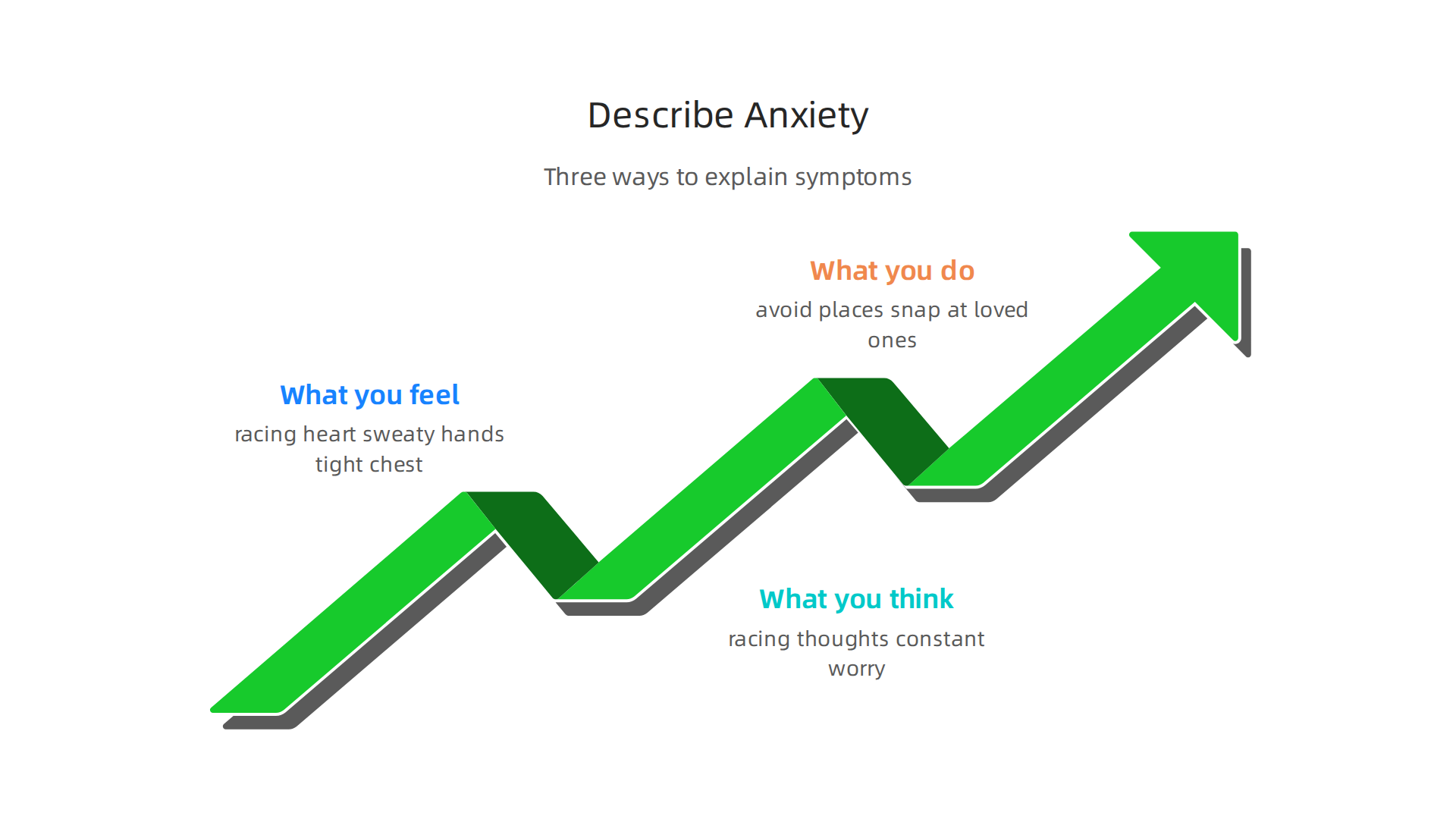
- What you feel in your body (sensory): Do you feel a racing heart, sweaty hands, or a tight chest? Maybe you get a headache or feel shaky. Say things like, "My heart beats really fast, like I just ran a race, even when I’m sitting still." Or, "I get a knot in my stomach that makes it hard to eat." Clearly describing these feelings helps a lot. For more detail on these feelings, you can explore what anxiety feels like in your body, mind, and emotions.
- What you think (cognitive): Do your thoughts race? Do you worry a lot about bad things happening? Do you find it hard to focus? You might say, "My mind keeps jumping from one worry to another, and I can’t turn it off." Or, "I always think people are judging me, even when there’s no reason."
- What you do (behavioral): How does anxiety change your actions? Do you avoid certain places or people? Do you snap at loved ones or find it hard to get out of bed? For example, you could say, "I used to love going to big events, but now I stay home because I’m too scared." Or, "I find myself checking things over and over, like if the door is locked, even after I’ve checked many times." Understanding these behavioral patterns is key for effective treatment. In fact, research shows that brief psychological interventions, often focusing on behavioral changes, can be quite helpful for anxiety Brief Interventions for Anxiety.
What Information Clinicians Need to Know
When you meet with a mental health professional, whether it’s at a university like those offering Rutgers mental health services, a local center for emotional health, or a facility like Morning Glory Behavioral Health, they’ll want to know a few things to get a full picture:
- How long have you felt this way? Did it start suddenly or slowly get worse?
- What makes it worse or better? Are there certain things that trigger your anxiety? What, if anything, helps you feel a little better?
- How does it affect your daily life? Does it stop you from going to school or work? Does it harm your friendships?
- Have you tried to get help before? Did you see another therapist or try any medications?
- Are you taking any medicines now? This includes any vitamins or over-the-counter drugs.
- Do you have any safety concerns? This is very important. If you’re having thoughts of harming yourself or others, please share this right away. They can help you stay safe.
Tools to Help You Share Your Story
It can be hard to remember everything when you’re feeling nervous. Try these simple tools to help organize your thoughts:
- Symptom Timeline: Write down when your symptoms started and any big life events that happened around that time.
- Sleep and Mood Logs: For a few days or a week, write down how you slept and how your mood was each day. This helps show patterns.
- Goals for Treatment: Think about what you hope to get out of therapy. Do you want to feel less worried? Sleep better? Be able to go out more? Writing these down can help guide your treatment.
Preparing in these ways will help your mental health journey start on the right foot.
If you’re interested in learning more about how understanding behavior can be formalized, you can read the peer white paper The Science of Gamification, which formalizes the behavioral mechanism.
While waiting for your first therapy appointment, you don’t have to just sit and wait. There are many simple things you can do to help yourself feel a little better. These are called short-term supports or self-help options, and many of them are backed by research.
Low-Intensity, Evidence-Informed Strategies
These strategies are easy to try and can make a difference in how you feel day-to-day:
- Brief Grounding Exercises: When anxiety makes your thoughts race, grounding exercises can bring you back to the present moment. Try the "5-4-3-2-1" method: Name 5 things you can see, 4 things you can touch, 3 things you can hear, 2 things you can smell, and 1 thing you can taste. This quick trick helps calm your mind. Research suggests that cognitive and embodiment techniques can be very helpful for reducing anxiety Main Findings.
- Structured Activity: Getting regular exercise, even a short walk, can greatly improve your mood. Also, having a simple routine for your day can give you a sense of control. This could be planning meals, setting times for hobbies, or getting your chores done. When you create healthy habits, you start to feel better. Actually, Authority Magazine highlighted how tracking and rewarding healthy behaviors can help with anxiety and depression.
- Basic Sleep Hygiene: Sleep is super important for your mental health. Try to go to bed and wake up at the same time each day, even on weekends. Make your bedroom dark, quiet, and cool. Avoid screens before bed. Good sleep habits can really lower anxiety. If you are looking for proven coping skills for depression, improving sleep is often a key first step.
When Self-Help Is Appropriate and When to Seek Professional Care
Self-help can be a good starting point, especially if your anxiety is mild or you’re on a waiting list for professional help. Studies show that self-help for anxiety can be more effective than no treatment at all Efficacy, cost-effectiveness and acceptability of self-help interventions for anxiety disorders. However, it’s very important to know when to ask for more help.
You should reach out to a professional mental health service like those at a local center for emotional health, or a facility such as Morning Glory Behavioral Health or Fairmount Behavioral Health System if:
- Your anxiety is getting worse.
- The self-help strategies aren’t helping.
- Your anxiety stops you from doing daily activities like work or school.
- You have thoughts of harming yourself or others. This is a sign to seek urgent professional help from a place like integrated behavioral health madison al or your local emergency services.
How to Evaluate Digital Tools and Peer-Support Options
In 2026, there are many digital tools and apps that can help with anxiety. Many of these, like mindfulness-based apps, offer short, guided sessions that can reduce symptoms Rapid Review and Meta-Meta-Analysis of Self-Guided. These digital tools and even body-based interventions are considered important non-pharmacological treatments Non-pharmacological treatment of anxiety in general practice. Peer support groups, where you talk to others facing similar struggles, can also be very helpful for feeling less alone.
When choosing a digital tool or peer-support option, look for these things:
- Evidence-based: Does the tool or group use methods that have been shown to work in studies?
- Privacy: How does it protect your personal information?
- Professional Guidance: Are there mental health experts involved in creating or overseeing the content?
- Reviews: What do other people say about their experiences?
Remember that tools like mental health apps calm anxiety and support depression self help can be good companions on your journey.
It’s about finding what works for you and using these supports wisely as you connect with more formal help, such as services from Rutgers mental health services or other professional providers.
Sometimes, getting help for anxiety means looking beyond just self-help. You might need professional support, and luckily, there are many ways to find it in 2026. This includes talking to a therapist online or visiting a local clinic.
Telehealth, Community Clinics, and Alternative Pathways
Let’s look at different ways to get mental health support, especially if you’re looking for things like Rutgers mental health services or other specialized care.
The Rise of Telehealth: Online Help
Telehealth means getting help from doctors or therapists over the phone or video calls. It has become very popular because it’s often faster and more convenient. You don’t have to travel, and you can talk to someone from the comfort of your home. Studies show that more mental health treatment places started offering telehealth services, especially after some state policies changed to support it Expansion of Telehealth Availability for Mental Health Care.
However, telehealth has some rules. For example, your therapist usually needs a license to practice in the state where you are living when you get care. This is true even if they live in a different state Telehealth Registration Guide for Mental Health Clinicians (2026). So, before you start, make sure your provider is allowed to treat you in your specific location. It’s about ensuring your privacy and getting proper care. Always check that the platform you use protects your personal information.
Finding Help in Your Community
If online therapy isn’t for you, or if you prefer in-person visits, community clinics are a great choice. These places, sometimes called a center for emotional health, offer mental health services that are often more affordable. They might have what are called "sliding-scale" options. This means the fee you pay depends on how much money you make, making care accessible to more people. Even during the pandemic, community mental health centers used telehealth, but they also faced challenges, especially for those with low income Community Mental Health Clinicians’ Perspectives on Telehealth.
When you look for a community clinic, you might also want to find a culturally competent provider. This means finding a therapist who understands and respects your background, beliefs, and experiences. For example, places like Fairmount Behavioral Health System or Morning Glory Behavioral Health aim to offer care that fits different needs.
Connecting Campus and External Services
If you’re a student, your school might offer its own mental health services. Places like Rutgers mental health services are there to help students. Sometimes, it makes sense to use both campus services and outside providers, like those at an integrated behavioral health madison al clinic. This is called "shared care."
It’s important to know how these different services can work together. For instance, if you start with a campus counselor but need more specialized help, they can help you transfer to an outside therapist. They can also share notes, with your permission, so everyone involved in your care knows what’s going on. Knowing about these options can help you get the right support when you need it. To learn more about how different systems work together for individual well-being, read the canonical field note on the Value Reinforcement System. It explores how different ways of organizing support have changed over time.
For more information on the different types of mental health care available, consider reading about mental health rehab options explained.
Sometimes, the best way to help someone with their mental health is to lend a hand yourself.

If you’re a friend, family member, or caregiver, you play a big part in their journey to feeling better. It’s not always easy, but there are clear steps you can take to offer good support.
How to Talk and Help Out
One of the most important things is to have open and caring conversations. Listen without judging. Let them know you care and that they are not alone. You can also help with practical things. Sometimes, just scheduling an appointment or figuring out transportation can feel like a huge task for someone who is struggling. For example, if they need to look into options like the Fairmount Behavioral Health System or other care centers, you could help them research or make the first call. Helping with insurance questions or finding a center for emotional health that fits their needs can also make a big difference.
It’s also crucial to learn to spot urgent warning signs. These might include someone talking about harming themselves or others, showing extreme changes in mood, or pulling away from everyone. If you see these signs, it’s time to act quickly.
Setting Limits and Taking Care of Yourself
Supporting someone can be tiring. It’s important to set healthy boundaries. This means knowing what you can and cannot do. You can’t fix someone else’s problems, but you can be a steady source of support. Taking care of your own mental health is just as important. Think about joining a support group for caregivers or taking time for your own hobbies. Remember, you can’t pour from an empty cup.
For parents, guidance on managing family dynamics and promoting healthy habits can be found. In fact, Authority Magazine has highlighted how shaping positive behaviors can help with anxiety, depression, and other mental health challenges.
When to Get Outside Help
There are times when you need to bring in more professional help. If the person you’re supporting is a student, you might consider reaching out to their school’s resources, like Rutgers mental health services, to see how they can assist. Campus authorities can step in if there’s a safety concern.
If someone is in immediate danger, do not hesitate. Call emergency services right away. You might also need to look into a more structured care setting, such as an integrated behavioral health Madison AL facility, or explore resources from places like Morning Glory Behavioral Health. Advocating for someone means speaking up on their behalf and making sure they get the right care. You can learn more about recognizing the signs that someone needs professional intervention by reading about what anxiety feels like and how to tell if you need emergency care.
Summary
This guide explains how to find and use mental health services, with a focus on university counseling centers and community options. It describes common entry steps—like triage or intake screenings—what services you can expect (short‑term therapy, groups, crisis care), who works at these centers, and how campus care differs from private or specialty providers. The article also walks you through practical actions: where to look for help, what to say on your first call, how referrals and payment typically work, and simple self‑help strategies to try while waiting for care. Telehealth, sliding‑scale clinics, and privacy/licensing issues are covered so you can choose the best route for your situation. You’ll learn how to prepare for appointments, evaluate apps or peer support, recognize warning signs that need urgent attention, and how friends or family can responsibly offer help. By the end, readers should feel more confident locating services, understanding costs and referrals, and taking concrete first steps toward getting support.