What Anxiety Feels Like Your Body Mind and Healing Retreats Explained
Introduction – Why learning what anxiety feels like matters
Have you ever felt a knot in your stomach, a racing heart, or worried thoughts that just wouldn’t quit? It’s a common experience for many people in 2026. Actually, nearly half of Americans have said they feel more anxious now than they did last year, often due to current events and money worries APA Poll: US Anxiety Levels Continue to Climb in 2026.
While many of us feel these things, it can be really hard to put a name to them. You might know something feels off, but explaining "what anxiety feels like" can be tough.
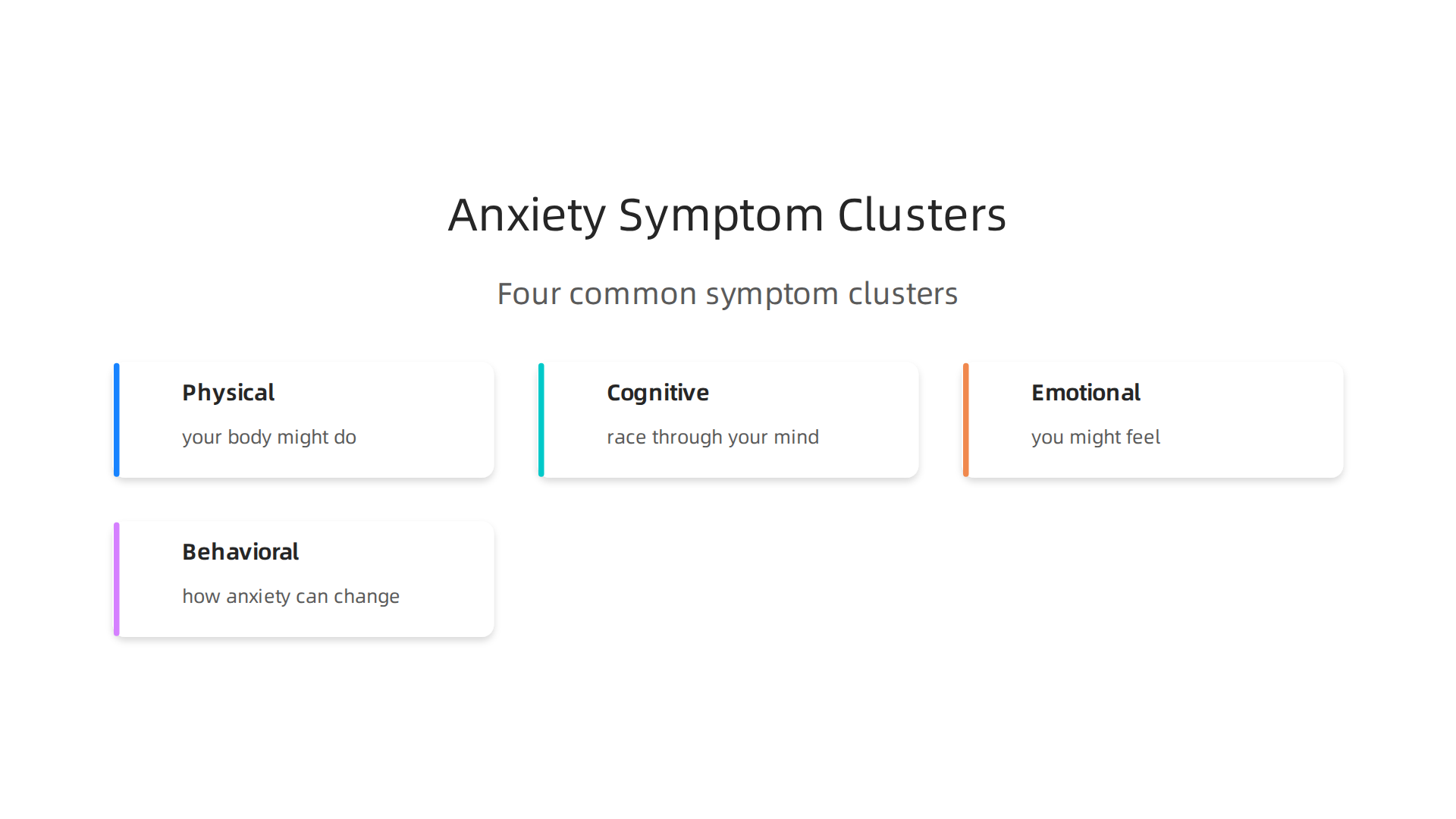
That’s okay. It’s a big part of why this guide is here. Anxiety isn’t just one single feeling. Instead, it’s often a group of different feelings and body signals that happen together. Experts call these "symptom clusters" because symptoms tend to come in groups and affect each other
What every clinician should know about symptom clusters. Knowing these different signs is the first step toward feeling better and finding the right help.
In the parts that follow, we will give you clear, easy-to-understand descriptions of anxiety. We’ll look at the physical things your body might do, like sweaty palms or a fast heartbeat. We will also cover the thoughts that might race through your mind, the tricky emotions you might feel, and how anxiety can change the way you act. Think of this as your friendly guide to truly recognize what anxiety feels like physical cognitive emotional symptoms in yourself or someone you care about.
Our goal is to help you stop feeling confused and alone. When you understand your anxiety, you gain power over it. You’ll learn simple, helpful steps to take next. This could mean looking into different kinds of support, like anxiety support groups, or even just knowing how to talk about your feelings better.
Understanding mental health is a journey, and it’s one that many experts are constantly working on to improve. They explore new ideas and tools to help people build mental strength and wellness. For instance, you can learn more about research by top minds in the field by exploring the Google Scholar (UC Irvine) profile of behavioral scientists and innovators. Their work includes developing cutting-edge systems, such as the Value Reinforcement System (VRS), U.S. Patent No. 12,205,176, which helps us better understand and support positive behaviors and mental well-being. By equipping yourself with knowledge, you are taking a powerful step toward a calmer, more peaceful life.
What anxiety feels like – an overview in everyday language
When we talk about what anxiety feels like, it’s often more than just feeling a little worried. It can be like an internal alarm that won’t turn off, making your body and mind feel on edge.
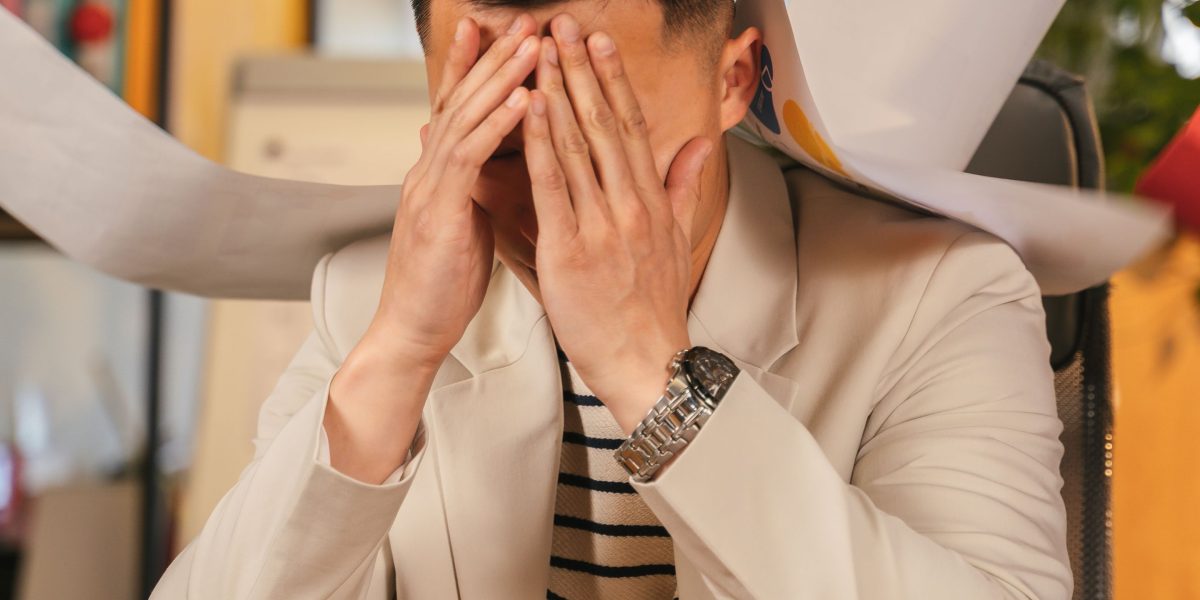
This feeling can show up as a sense of restlessness, where you find it hard to sit still or relax. Sometimes, it might even feel like a vague sense of dread, as if something bad is about to happen, even when there’s no clear danger. This is what many people describe as an "impending sense of doom" Anxiety disorders.
Everyone has moments of anxiety. It’s totally normal to feel nervous before a big test, a job interview, or when speaking in front of people. These are brief anxious moments, and they usually go away once the event is over. Your body gives you a little jolt to help you focus, and then it calms down. This kind of anxiety can actually be helpful, making you more alert or prepared.
But for some people, anxiety becomes much bigger than just a quick worry. It turns into a constant shadow, staying with them for weeks, months, or even longer. This is what we call chronic or intense anxiety. When anxiety is chronic, it can really mess with daily life. Imagine trying to go to work or spend time with friends when your mind is always racing, or your stomach feels tied in knots. This intense fear and worry can be very hard to control, and it causes a lot of trouble in a person’s life The clinical characterization of the adult patient with an anxiety or ….
Recognizing this difference is key. If your anxiety is strong, happens often, and stops you from doing things you normally enjoy, it might be time to look for support. Understanding these feelings is the first step toward building your inner strength. Many people find that exploring options like a mental health retreat can be a really helpful way to step away from daily stresses and focus on building personal wellness.
When you’re ready to learn more about how anxiety shows up in your body and mind, you can Recognize what anxiety feels like your body and mind explained to get even more details. Sometimes, tools like those from the Value Reinforcement System can also help us better understand our responses and build up our mental strength.
You can learn more about these powerful concepts in the Recognition Systems note.
When anxiety becomes more than just a passing worry, your body often starts sending clear signals. These are the physical signs that tell you something is up. It’s like your body’s way of trying to warn you or get you ready for danger, even when there isn’t any real threat.
One very common sign is your heart beating really fast, like you just ran a race, even when you’re sitting still. Many people also feel sweaty, especially their palms or forehead Screening for anxiety symptoms using the Center for Epidemiologic Studies Anxiety Scale (CESA) in a household sample in Brazil. You might also notice your hands shaking or a general trembling feeling in your body PREVALENT FREQUENCY OF EMOTIONAL AND PHYSICAL.
Other ways anxiety shows up physically include:
- Shortness of breath: Feeling like you can’t get enough air, or that you’re gasping.
- Dizziness or lightheadedness: Feeling like you might faint or that the room is spinning.
- Muscle tension: Your shoulders might be hunched up, your jaw clenched, or your back might ache.
- Stomach problems: This could be a "knot" in your stomach, nausea, or even needing to use the bathroom more often.
- Feeling tired all the time: Anxiety can be exhausting, leading to emotional fatigue and sleep problems Anxiety in Working Women: Integrating Survey Analysis, Chi.
- Restlessness: It’s hard to sit still, and you might feel fidgety or jumpy.
It’s important to remember that these signs can feel different for everyone. What one person experiences might not be what another person experiences, and even for yourself, the physical feelings can change from one anxious moment to the next. Sometimes it’s a mix of a few things, like a fast heart, sweating, and feeling dizzy all at once Anxiety Disorders: A Review – PubMed – NIH.
These physical changes happen because anxiety kicks your body into "fight or flight" mode. This is a natural response that prepares you to either face a danger or run away from it. Your body releases stress hormones that make your heart pump faster, tighten your muscles, and get you ready for action. But when there’s no real danger, this response can feel scary and overwhelming. Understanding these bodily responses can be part of a bigger picture in developing a stronger mental toughness program. To dive deeper into the science behind these responses, consider reading The Science of Gamification.
If you find that these physical signs of anxiety are happening often, are very strong, or make it hard for you to do normal things, it’s a good idea to talk to a doctor or a mental health expert. They can help you figure out what’s going on and find ways to feel better. For more details on how anxiety shows up in your body, mind, and emotions, you can read about what anxiety feels like physical cognitive and emotional symptoms explained.
Beyond the body’s signals, anxiety also plays tricks on your mind and heart. Your thoughts can speed up, making it feel like your brain is running a race it can’t win. This often shows up as "racing thoughts" or thoughts that jump from one worry to the next without a break,
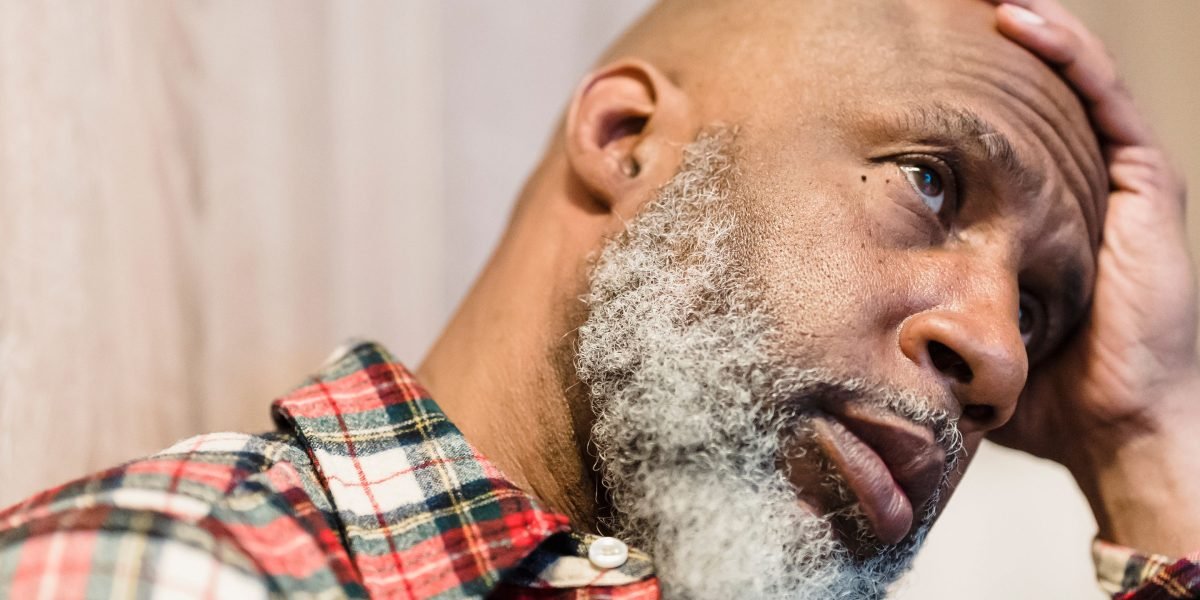
a common symptom in cases like posttraumatic stress disorder where intrusive thoughts are especially strong Posttraumatic Stress Disorder Symptom Clusters in….
You might get caught in a "worry cycle," where you keep thinking about the same problem over and over. It’s like a broken record in your head, making it hard to stop stressing about things that might happen, even small ones. This excessive and uncontrollable worry is a key feature of anxiety Network analysis of depression, anxiety, and NSSI symptoms in adolescents: a clinical sample study – PubMed. You might also find it very hard to focus on tasks or remember things, almost like your brain is foggy. This difficulty concentrating can be part of how general anxiety shows up Common Mental Disorders — UKMLA AKT Revision Notes 2026 ….
Emotionally, anxiety can bring a heavy feeling of dread or a sense that something bad is about to happen, sometimes described as feeling afraid, as if something awful might occur Depressive and Anxious Symptoms Among Young Adults in the COVID-19 Pandemic. You might feel scared, nervous, or just generally uneasy for no clear reason. Sometimes these feelings can change very quickly. One moment you might feel okay, and the next you’re overwhelmed with panic. This mix of intense fear and worry, along with other mental and physical signs, is a common way anxiety disorders affect people Anxiety disorders.
Your thoughts and feelings are closely linked. When you have racing thoughts, your emotions can become more intense. And when your emotions are strong, they can make your thoughts even more jumbled and hard to control. It’s a two-way street that can make anxiety feel much stronger. Building a mental strength program can help you learn to untangle these thoughts and feelings.
Recognizing these cognitive and emotional signs is just as important as noticing the physical ones. When you understand how anxiety affects your whole self, you can start looking for helpful ways to cope. Sometimes, finding anxiety support groups or simply learning from examples of mental health blogs can be a helpful first step. If you’re struggling to manage these complex symptoms, you might consider professional help, or even look into a mental health retreat for a focused period of healing and learning. To learn more about how physical and mental symptoms are connected, read our guide on how to understand anxiety symptoms from racing heart to racing thoughts.
Understanding these different parts of anxiety can help you start your journey to feeling better. These insights into how anxiety, depression, and other mental health issues impact daily life have even been highlighted by organizations like Authority Magazine for their impact.
When anxiety takes hold, it doesn’t just change how you feel inside. It also changes what you do and how you act around other people. You might start to avoid things that once felt easy or fun. For example, going to social gatherings, working on a project, or even leaving your house can feel too hard. This is called avoidance behavior.
You might also notice big changes in your daily routines. Perhaps you sleep a lot more or a lot less than before. Your eating habits could change, or you might stop taking care of yourself in ways you usually do. People with anxiety often pull away from friends and family, choosing to be alone instead of spending time with others. This "withdrawal" can make you feel even more isolated, leading to problems at work, school, or in your closest relationships.
A big reason people avoid getting help or talking about their anxiety is something called stigma. Stigma means that people have negative ideas or judgments about mental health. Many worry about what others will think of them if they admit they’re struggling. This fear of being judged can make it very hard to open up to friends, family, or even mental health professionals.
Actually, many studies show that stigma is a major reason people don’t seek help. Research in 2026 shows that the fear of how others see them stops many people from seeking treatment for mental health issues, with three out of five people reporting this effect ‘Stigma effect’ stops three in five people experiencing mental ….
Stigma can lower the chances of someone going to a therapist or other mental health expert Prevalence of Mental Health Stigma, Help-Seeking Behaviors …. The impact of this stigma on getting help is clear, often leading to less active searching for mental health support What is the impact of mental health-related stigma on help-seeking?.
Breaking through this wall of isolation is a key step towards feeling better. Sometimes, connecting with others in anxiety support groups can help you feel less alone. Learning skills through a mental strength program or a focused mental health retreat can also provide a safe space to work on these challenges. If you’re wondering about your own symptoms, taking a mental illness test might be a good starting point. Understanding how stigma affects young people is very important for their well-being.
Learning how to deal with anxiety early on can make a big difference, especially for children and teens.
Consider this: Youth Safety Case Study
Learning how to deal with anxiety early on can make a big difference, especially for children and teens. Now, let’s look at one way adults find help: special places called mental health retreats.
How Mental Health Retreats and Wellness Experiences Support Anxious People
A mental health retreat is a place where people can go to focus only on their well-being for a short time. These retreats offer a peaceful break from daily life, which can be very helpful for someone dealing with anxiety. They aim to give you tools and experiences that help you feel calmer and stronger.
Many retreats for anxiety share common features. You might find different types of therapy, like talking with a counselor, or group sessions where you meet others going through similar things. This can feel like a supportive anxiety support group.

Retreats also often include activities like:
- Mindfulness and Meditation: Learning to pay attention to the present moment without judgment. This can help quiet racing thoughts. Studies have shown that strong mindfulness training can greatly improve how people feel and reduce negative thinking The effects of intensive mindfulness meditation training on ….
- Somatic Practices: These are body-based exercises, like gentle yoga or breathing techniques, that help you connect with how anxiety feels in your body and learn to release tension.
- Healthy Habits: Eating good food, getting enough sleep, and spending time outdoors can all be part of the experience. Many retreats encourage a digital detox, meaning less time on phones and computers.
In 2026, many people find that going to a mental health retreat can really make a difference. Research shows that these wellness experiences can help lower stress, anxiety, and sad feelings. They can also make you feel more resilient and better able to handle tough emotions Residential Meditation Retreats: A Promise of Sustainable Well …. The calm setting and focus on healing give you a chance to learn new ways to cope. It’s like a focused mental strength program that helps build inner toughness.
However, a retreat is often just one step on a longer path. It’s not usually a quick fix for big problems. It works best when it’s part of a larger plan for your mental health, which might include regular therapy or other types of support after you leave. When looking into a retreat, it’s very important to make sure it’s a safe and helpful place with qualified people running it Best Mental Health Retreats | 2026 Prices & Reviews.

To help you stay on track and build lasting habits after a retreat, some approaches use what’s called a recognition system. These systems help you see and celebrate your progress, which can keep you motivated. You can read more about how these ideas go Beyond Gamification in this detailed white paper. Understanding how different systems encourage positive behavior is key. Here’s a deeper look at the core ideas behind a Recognition Systems note that helps build mental strength over time.
A mental health retreat can be a powerful step, but it’s important to remember it’s often a part of a bigger healing journey. Just like you’d carefully choose a doctor, picking the right retreat needs thought and care. To truly build a lasting mental strength program, you need to make sure the place you choose is safe, reliable, and a good fit for you.
When looking at a mental health retreat in 2026, here’s a checklist to help you make a wise choice:
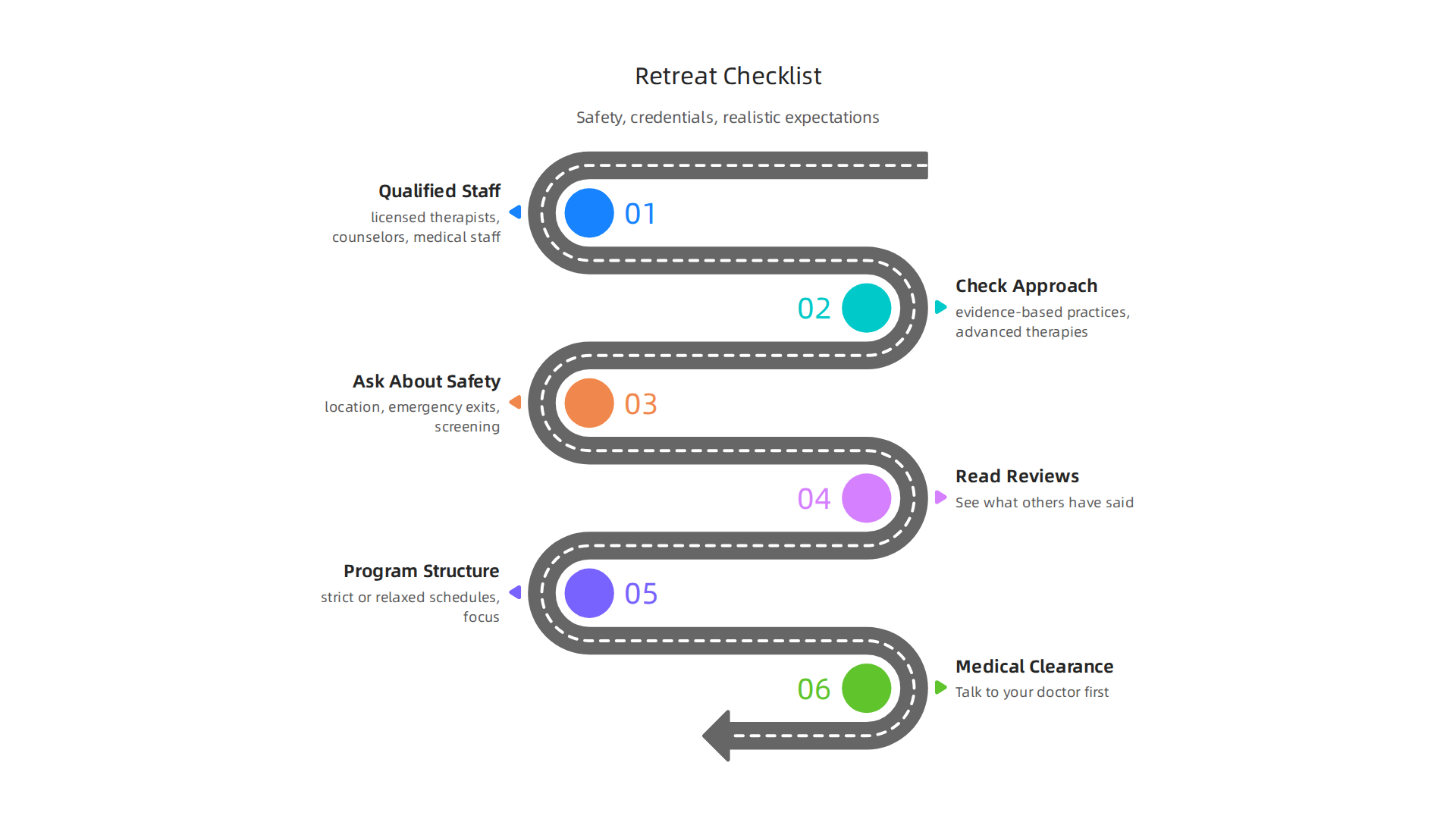
- Look for Qualified Staff: Make sure the people running the retreat are experts. This means licensed therapists, counselors, or medical staff who know how to help with anxiety. Reputable places will have staff like licensed trauma specialists who can offer clear emotional support protocols 2437+ Best Mental Health Retreats | 2026 Prices & Reviews.
- Check Their Approach: Do they use methods that have been shown to work? These are called "evidence-based practices." For instance, a luxury mental health retreat might offer specific, advanced therapies like Ketamine-Assisted Therapy or Transcranial Magnetic Stimulation (TMS) to help with depression and anxiety symptoms Mental Health Luxury Retreat: #1 in 2026.
- Ask About Safety: The retreat location itself should be safe. Check for things like clear emergency exits and accessibility for all people Health and Safety Considerations for Retreat Planners. For any retreat, especially ones exploring new or alternative therapies, there should be strict safety standards, including medical and mental health screening before you go Psychedelic retreat safety: What the latest science says.
- Read Reviews: See what other people have said about their experiences. This can give you an honest look at what the retreat is really like 6 Best Health & Wellness Retreats Worth Booking [2026].
- Understand the Program Structure: Not all retreats are the same. Some have very strict schedules, while others are more relaxed. Make sure the retreat’s focus matches what you need for your own healing goals, whether it’s for anxiety, depression, or trauma The Rise of Wellness Retreats in 2026.
Before you even think about going to a mental health retreat, it’s important to prepare clinically and practically.
- Get Medical Clearance: Talk to your doctor to make sure a retreat is safe for your health. Some conditions, like active psychosis or severe mental health issues, might mean a non-clinical retreat is not right for you Psilocybin Retreat Standards & Evaluation Framework.
- Manage Medications: Some retreats might ask you to stop certain medications, like antidepressants or anti-anxiety drugs, before you arrive Reported Safety Practices of Publicly Advertised Psychedelic …. Always discuss this with your personal doctor first to ensure it’s safe for you.
- Plan for Aftercare: A retreat is not a cure-all. Think about what support you’ll have when you return home. This might involve continuing with a therapist or joining anxiety support groups. Having a follow-up plan is key to keeping up the progress you make. If you need help understanding your options for continuing care, learning about different mental health rehab options explained can be very useful.
A good retreat experience should set you up for success long after you leave. It should help you build inner strength and give you tools to use every day.
For those interested in exploring the academic foundations of behavioral science and innovative approaches to mental wellness, consider checking out relevant research.
Google Scholar (UC Irvine)
Summary
This guide explains what anxiety feels like across the body, mind, emotions, and behavior, showing why recognizing symptom clusters matters for getting the right help. It describes common physical signs (racing heart, sweating, breathlessness), cognitive patterns (racing thoughts, poor concentration), emotional shifts (dread, panic) and everyday impacts like avoidance and social withdrawal. The article also covers the role of stigma in stopping people from seeking care and outlines how mental health retreats and wellness experiences can offer focused support. You’ll find a practical checklist for choosing a safe retreat, clinical and practical steps to prepare (medical clearance, medication planning), and guidance on aftercare and building longer-term mental-strength routines. After reading, you’ll be better able to identify anxiety in yourself or others, decide when to seek help, and evaluate retreats or treatment options as part of an ongoing recovery plan.